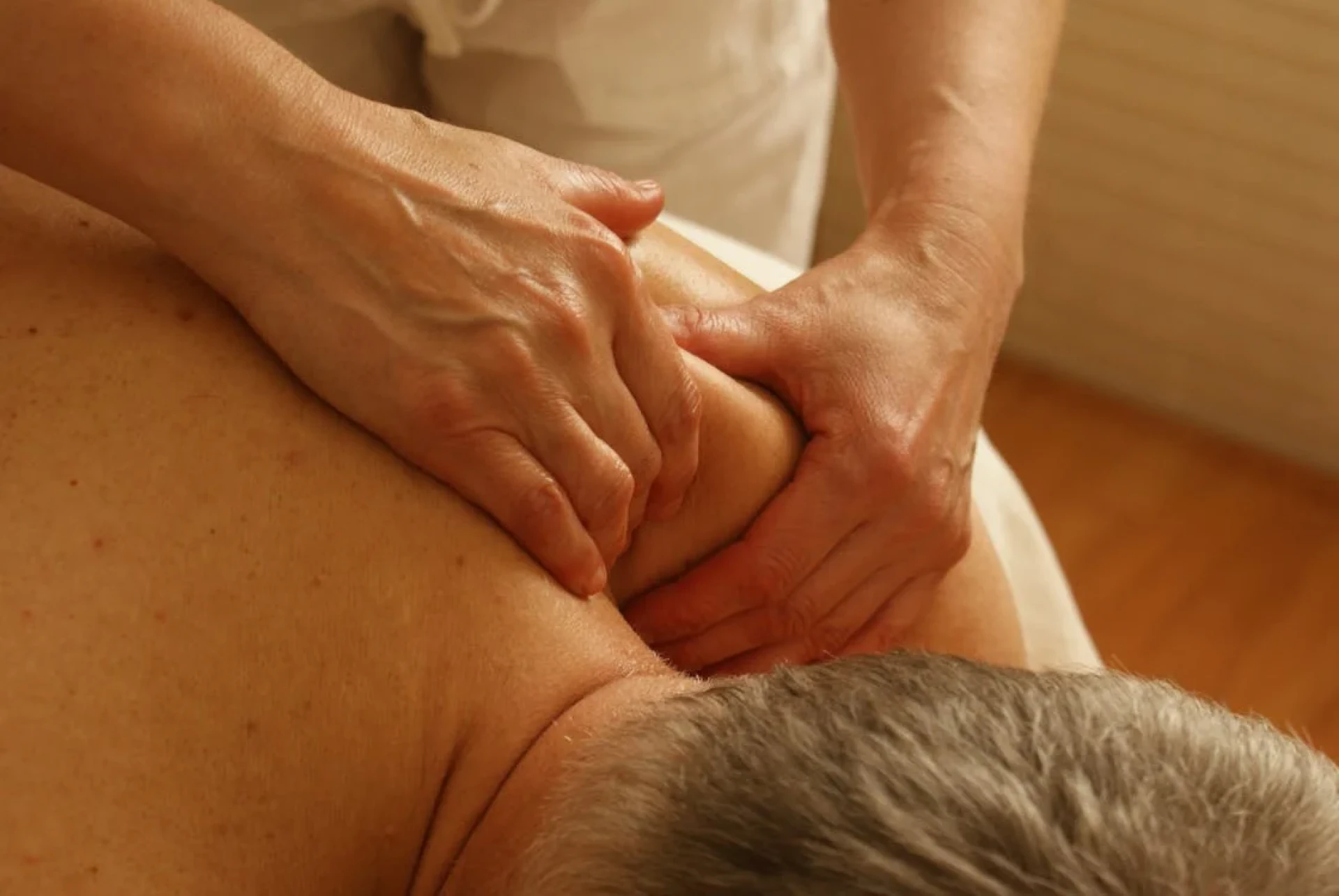

Most people assume tight shoulders or a stiff lower back just come from bad posture or sitting too long. But recurring muscle tension can actually reflect how you live and manage stress. The knots you feel aren’t random. They often point to your habits, emotions, and how your body is coping with strain.
If you're considering getting a massage in Edmonton, understanding what your muscle tension says about your daily life can help you make more informed decisions about the type of treatment you need. Let’s break down what different muscle tension patterns often indicate. Knowing the why behind your discomfort might help you correct the cause—not just the symptom.
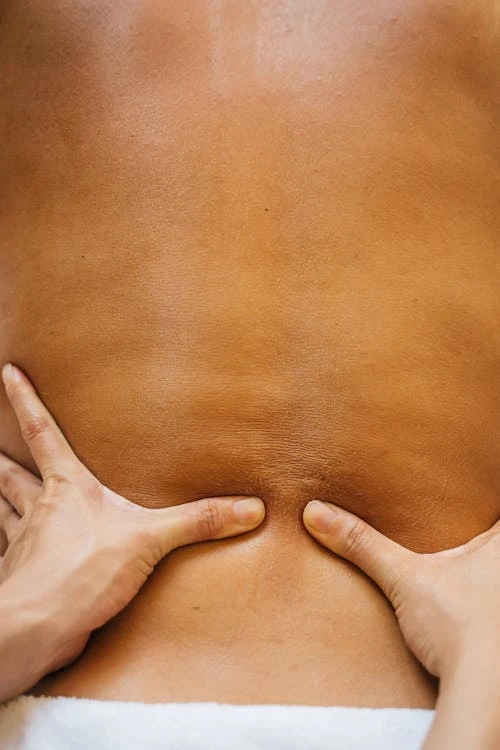
Tight Neck and Shoulders: Carrying Mental Overload
Knots in the upper back, neck, and shoulders are among the most common. These areas tense up when you're under mental pressure. If you're constantly hunched over a desk or frequently on your phone, you're encouraging strain here. But even more than posture, emotional tension plays a major role.
People who multitask, worry often, or feel responsible for others tend to build stress in this area. The more you internalize stress, the more pressure this region absorbs. These knots might not loosen even with stretching if you aren’t giving your nervous system a chance to reset.
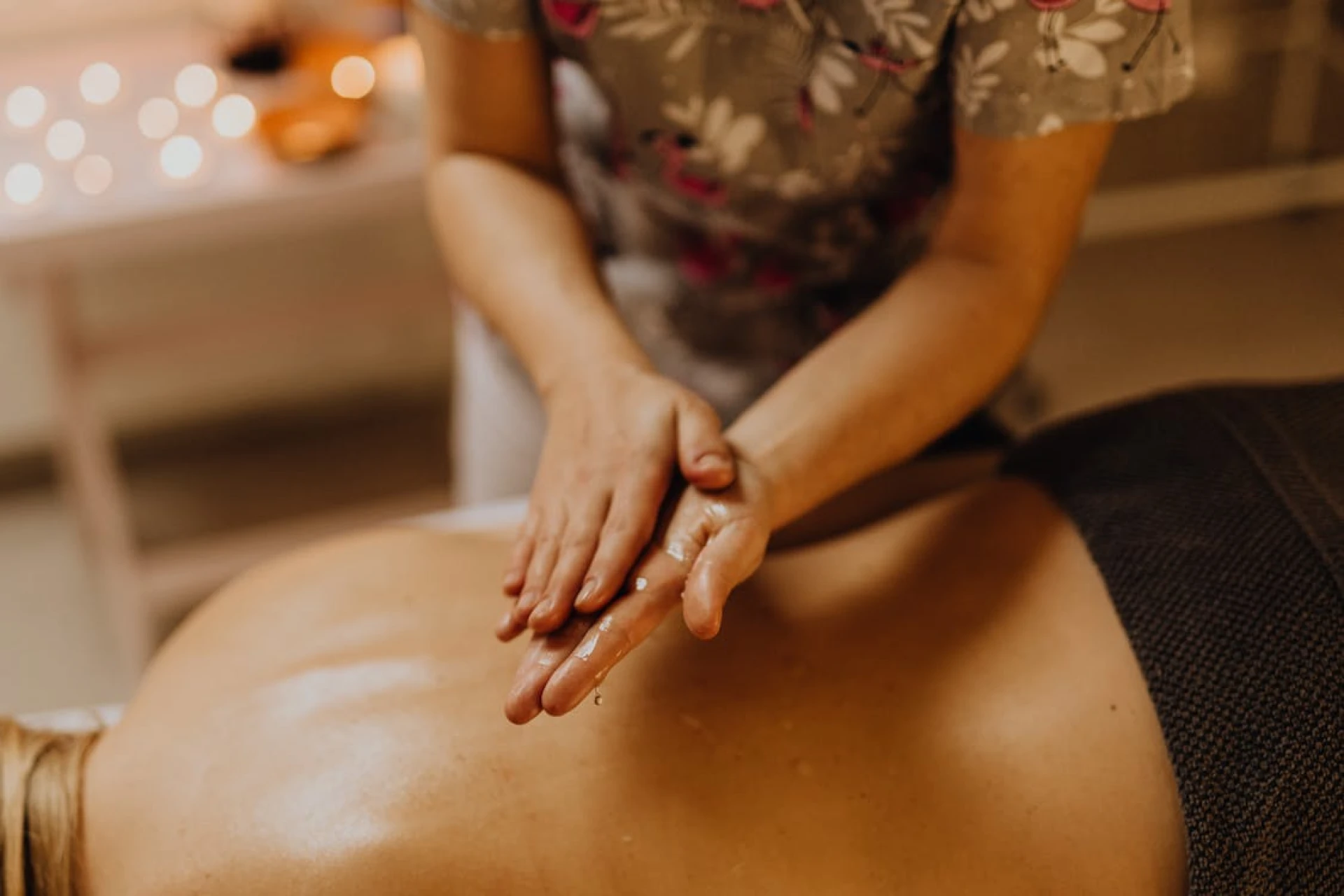
Regular massage sessions in Edmonton, especially targeting the neck and shoulders, can help ease the physical buildup while also giving your mind a break.
Lower Back Pain: Posture and Pressure Problems
The lower back holds your body up, so when something’s off in your movement patterns, or if you’re carrying emotional or financial stress, this area tends to react. Poor sitting habits, heavy lifting, or even unbalanced walking patterns contribute to tightness and knots.
If you experience tightness more on one side of the lower back, it can indicate imbalance in how you sit, stand, or carry things. Prolonged mental stress can also influence tension here. Many people unconsciously clench their back muscles when feeling overwhelmed.
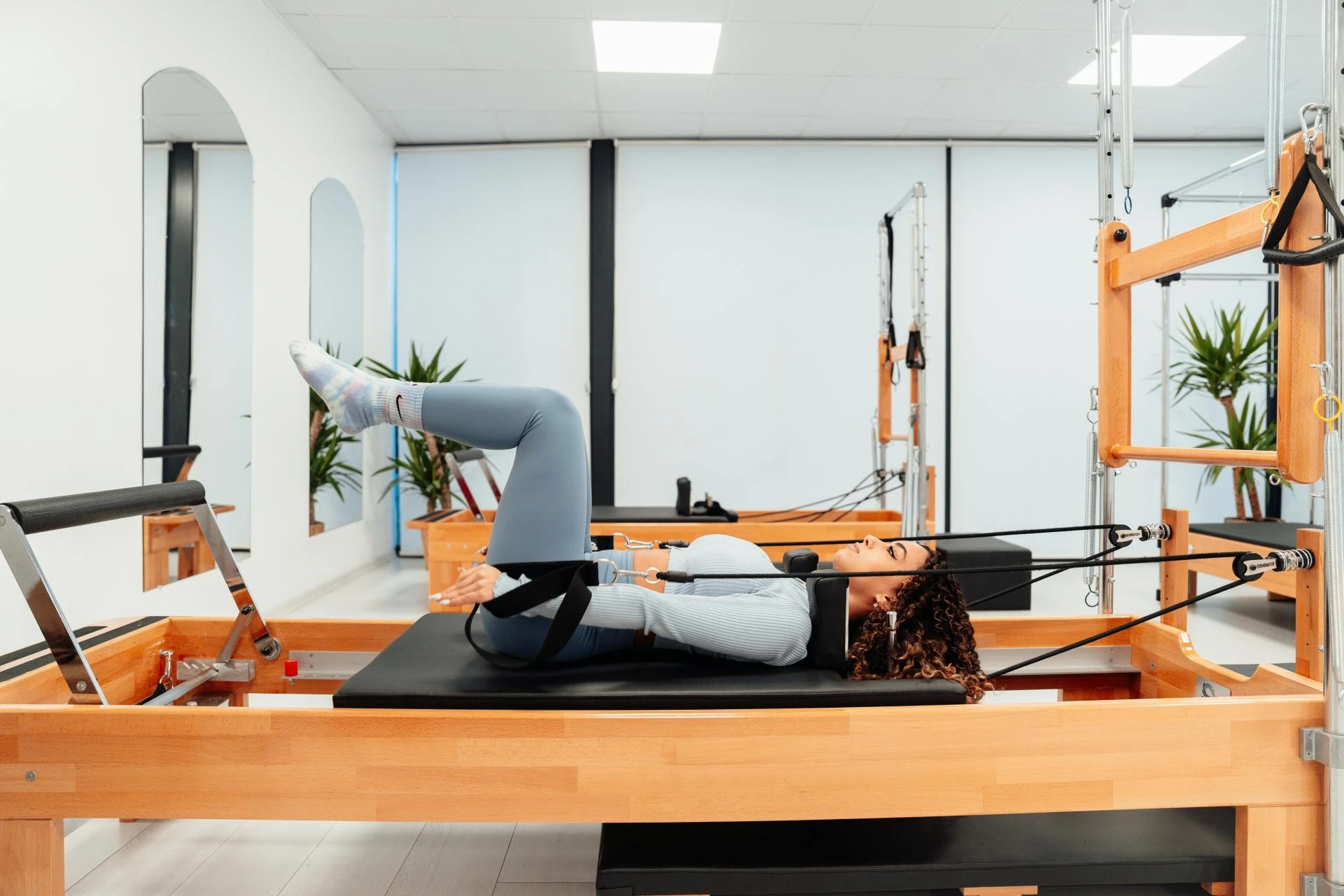
Tension in this region responds well to deep tissue massage in Edmonton and consistent physical therapy. Adjusting your posture and practicing core-strengthening exercises alongside massage support can bring long-term relief.
Jaw and Head Tension: Signs of Suppressed Anxiety
If you grind your teeth at night or experience regular headaches, the muscles around your jaw, neck, and scalp may be overworked. This can be a sign of suppressed anxiety or chronic worry. Many people who avoid expressing stress verbally end up clenching their jaw or grinding their teeth without realizing it.
Massage therapy targeting the temporomandibular joint (TMJ) and head muscles can help reduce pressure and improve sleep. It’s also worth looking into breathing exercises, especially if you feel like you hold tension in your face and scalp.
Mid Back Tightness: Sitting for Long Hours or Poor Core Engagement
Pain or tightness in the middle back is usually a result of long hours spent seated—especially if you're leaning forward or slumping. It can also suggest that your core muscles aren’t engaged enough, so your back is compensating.
This area also tends to store unprocessed emotional pressure, especially in people who feel stuck or unsupported. If you’re not moving often or if you’re mentally overwhelmed, this part of your body may be absorbing more stress than it should.
Professional massage sessions focusing on this region, combined with proper sitting support and light movement during the day, can significantly reduce pain and restore function.
Legs and Hips: Restlessness and Lack of Movement
Tight hip flexors or thigh muscles can point to long periods of inactivity or lack of mobility. If you sit for extended hours without standing or stretching, your hips can become shortened and tense. This tension often spreads to the thighs, especially if you’re compensating for weak glutes or core strength.
Stress in the hips may also reflect emotional tension, particularly feelings of frustration or being held back. If you're feeling restless or anxious, your legs may carry that energy through tight muscles.
Targeted massage and mobility exercises for the hips and legs are essential if you sit for long stretches or frequently feel tense in your lower body.
Hands and Forearms: Constant Tech Use or Repetitive Strain
If you feel stiffness or tingling in your hands or forearms, it often points to repetitive tasks—especially tech use. Typing, scrolling, or gaming without breaks tightens these muscles. This tightness can spread to the upper arms and even the shoulders.
Sometimes, tension here is also a reflection of overexertion or the need to feel in control. When you’re constantly “gripping” your day, your body holds that tension literally.
Massage focused on your arms and hands can relax muscles that are otherwise ignored. It also improves circulation and helps release built-up fatigue.
Hands and Forearms: Constant Tech Use or Repetitive Strain
Your muscle knots may be trying to tell you more than just “you’re tired.” They reflect habits, emotional states, and how you physically respond to the demands of life. A massage in Edmonton isn’t just about comfort—it’s a way to reset your system.
If you're struggling with long-term stress, physical tension, or recovering from injury, consider getting help from a team that understands muscle behavior. Whether you need vehicle accident massage in Edmonton, or the best deep tissue Massage in Edmonton, Healing Oasis Massage & Wellness is ready to support your recovery.
To book an appointment, call 587-200-0480 and speak with a registered therapist.











Sign in to leave a comment.