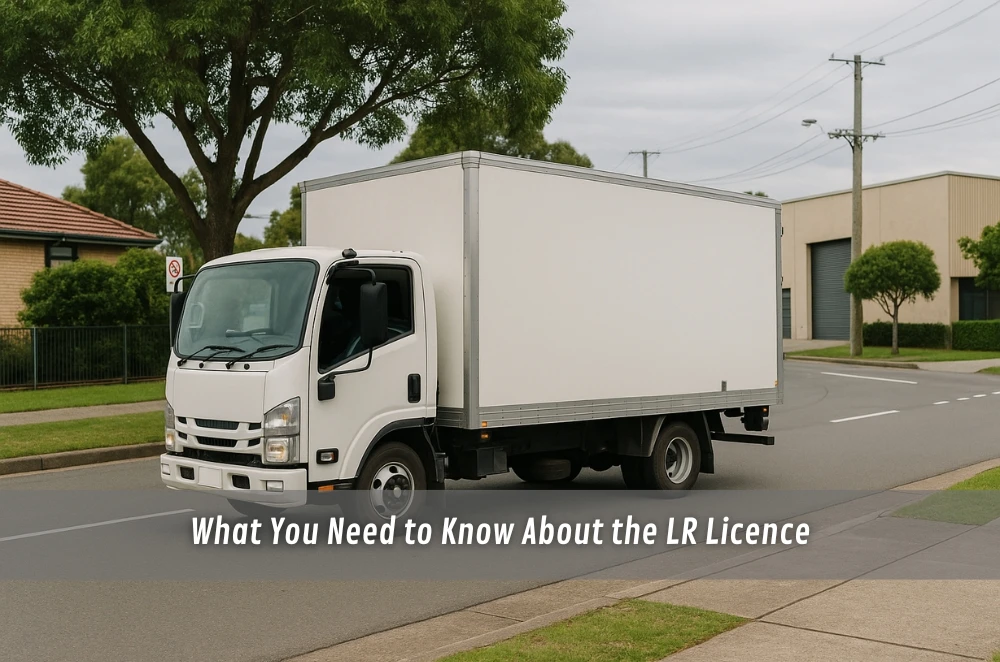

For many everyday drivers, the leap into operating heavier vehicles can seem like a big one. That’s where the LR (Light Rigid) licence comes in — it bridges the gap between standard car licences and the world of commercial or fleet driving. If you’ve held your Class C licence for a while and are curious about what’s next, the light rigid licence training is often a logical, approachable step. It’s less about becoming a “truckie” and more about gaining the skills to safely operate larger vehicles you might encounter in community work, logistics, or support roles. This article breaks down what the LR licence allows, who it's for, and what to expect from the process — all without the fluff.
What vehicles are covered under an LR licence?
If you're wondering whether this licence fits your needs, it's worth clarifying what vehicles it actually applies to:
- Rigid vehicles with a Gross Vehicle Mass (GVM) over 4.5 tonnes but not more than 8 tonnes
- Small buses that carry more than 12 adults, including the driver
- Vehicles towing a trailer with a GVM up to 9 tonnes
This licence is ideal for roles that involve community buses, light-duty trucks, or fleet driving — essentially, vehicles that require more handling than a sedan but don’t quite classify as full freight vehicles.
Who benefits from an LR licence?
You’ll often find LR licences listed as requirements for:
- Council or school bus drivers
- Delivery and utility drivers
- Community transport services
- Driving roles in trades and event logistics
While there’s no one-size-fits-all answer, the common thread is versatility. The LR licence gives drivers a broader scope without the commitment of pursuing high-capacity commercial endorsements.
Eligibility and training requirements
To apply for an LR licence in NSW, applicants need to meet the following baseline criteria:
- Hold a full Class C licence for at least 12 months
- Be medically fit to drive (medical assessment may be needed)
- Pass a Knowledge Test (related to general and heavy vehicle road rules)
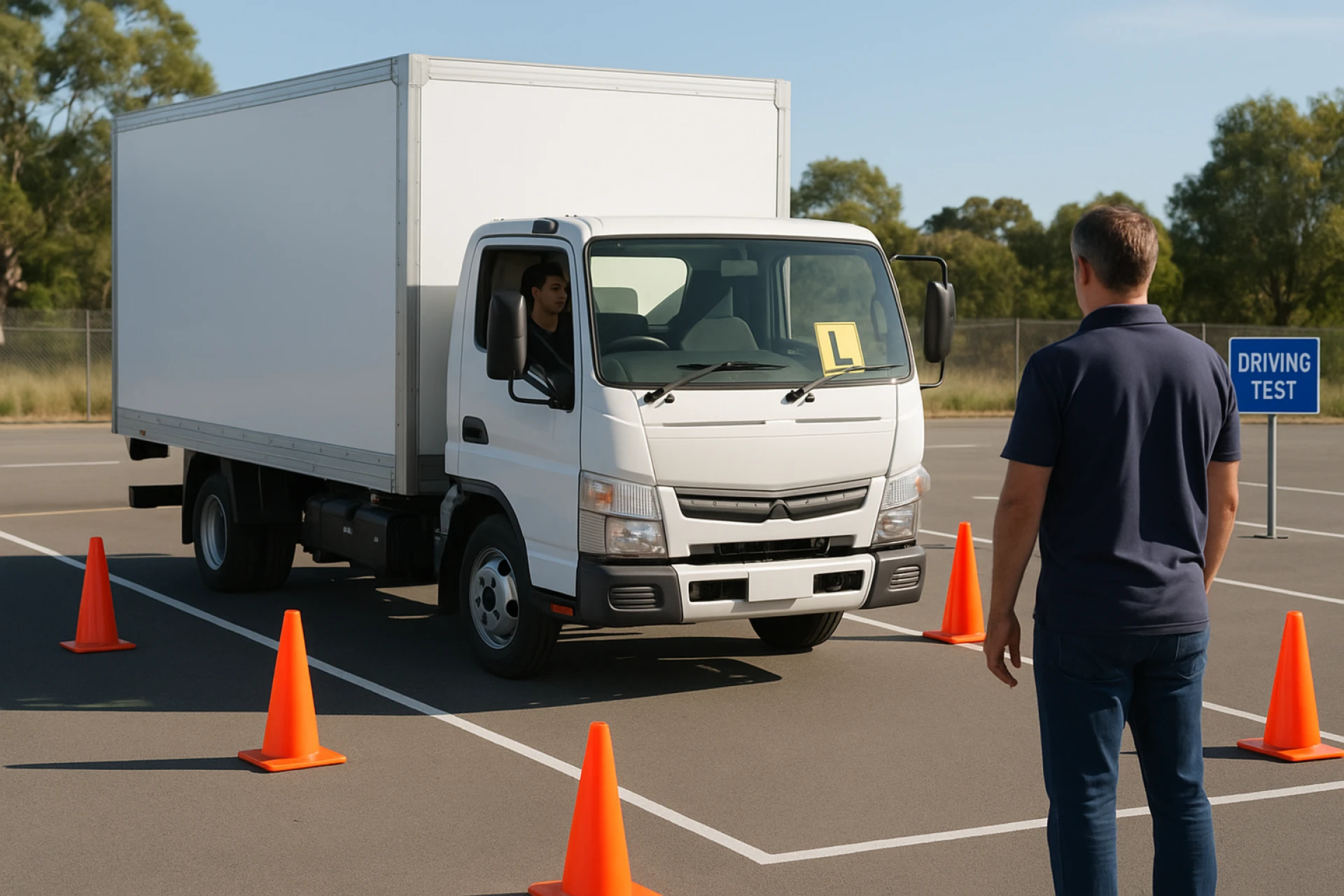
- Complete a practical driving test or a competency-based training program
Approved training providers play a central role in helping you meet the standard. These courses involve practical driving, vehicle checks, and scenario-based skill development. More importantly, they help shift your mindset from “driving” to “managing” a vehicle — and that distinction matters when you’re responsible for passenger or cargo safety.
Compliance and responsibilities on the road
Getting an LR licence isn’t just a box to tick. You’re now in charge of a heavier, more complex vehicle, and with that comes more responsibility. It’s not just about following road signs anymore; there are added rules you’ve got to be aware of.
For starters, drivers in this class are expected to manage things like fatigue, proper load restraint, and keeping the vehicle in good shape with regular checks. These aren’t just best practices — they’re part of staying legal and safe.
One place worth checking is the NSW Government’s guide to heavy vehicle licences. It lays out the basics without too much jargon and gives you a clearer idea of what’s expected. It’s better to learn the details now than get caught out later over something that could’ve been avoided.
What to expect during the training process
The training experience varies depending on the provider, but most programs cover these core components:
- Conducting daily pre-start checks
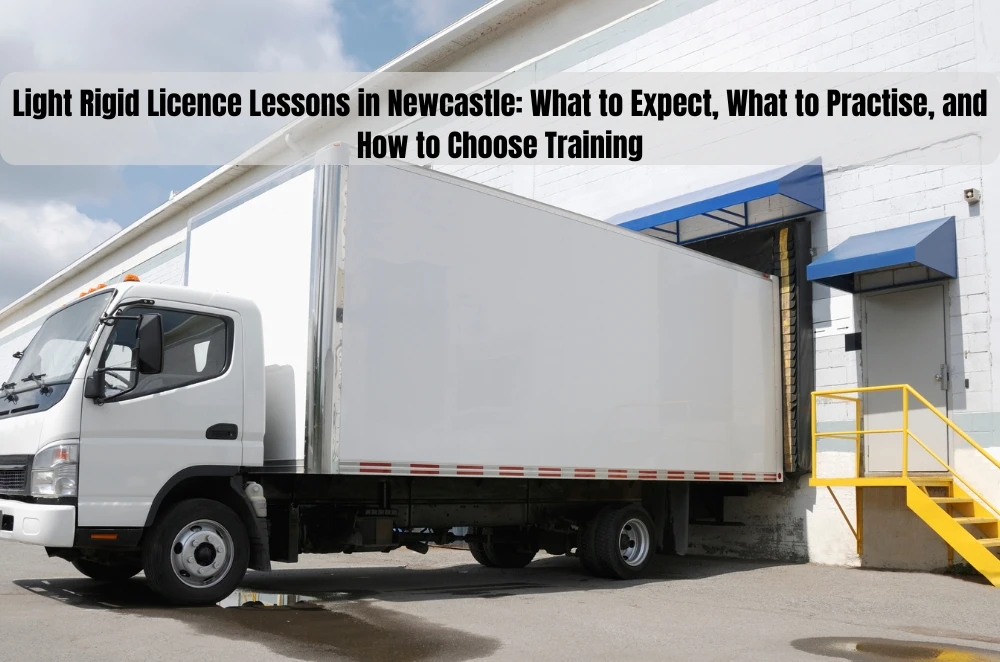
- Learning how to handle corners, reversing, and parking in larger vehicles
- Understanding the weight distribution and vehicle stability
- Practising under various road conditions
Unlike car-based driving lessons, LR licence training often takes place in industrial zones or low-traffic areas that simulate real-world driving scenarios. These help you adjust to the vehicle’s dimensions and blind spots — key skills when operating a longer or taller vehicle.
Navigating the assessment
Assessment typically involves both a theoretical component (knowledge test) and a practical component (driving test or competency-based assessment). You may be asked to demonstrate:
- Pre-operational safety checks
- Reversing and parking accuracy
- Smooth gear handling and vehicle control
- Observation and compliance with signs and rules
Trainers are focused less on perfection and more on control, safety, and consistency. The goal is to confirm that you understand how to operate a light rigid vehicle under realistic road conditions.
Comparing licence classes
Not sure if the LR licence is the right one? That’s normal. It really depends on what kind of vehicle you're planning to drive, and how often.
Some people end up needing something bigger, like an MR or HR licence. Those cover larger trucks and heavier gear, especially if you're working with freight or doing longer trips. But for others, LR is plenty. It covers that middle ground — heavier than a ute, lighter than a full-blown truck.
If you're trying to wrap your head around all the options, it helps to read more about the types of truck licences in Australia. Nothing too fancy — just a straight comparison of what each one allows, and what’s needed to get it. Saves a bit of confusion later on.
Planning your next step: what happens after LR?
The LR licence can act as a stepping stone to more advanced qualifications or simply broaden your driving capabilities. Some drivers pursue the licence to meet a short-term employment requirement, while others use it to explore long-term transport careers.
If you’re looking to better understand the stages involved, including what comes before or after the LR licence, consider reading more about the vehicle licensing process. It outlines what to expect in terms of progression, timelines, and documentation, particularly helpful if you’re mapping out a multi-stage licensing plan.
Practical insights from new LR drivers
People who’ve recently completed their LR licence often come away with a different perspective on driving — not necessarily because it’s harder, but because it asks for a bit more discipline. The jump from a regular car to something longer or heavier changes how you think behind the wheel.
One thing that comes up a lot is how tricky it can be to adjust to wider turns and less visibility. Reversing into tight spots feels awkward at first. You really have to rely on your mirrors and plan ahead. Practising in a quiet area, away from traffic, helped me get comfortable with that.
It’s not just about size — it’s about being more deliberate.
Final reflections
The LR licence isn’t just another piece of plastic in your wallet. It tells people — and reminds you — that you're trusted with a bigger machine, often carrying other people or heavier loads.
It's not intimidating, but it's different. There's a shift in how you approach the road, and that takes time to settle into. With some solid training and a bit of patience, most drivers adapt pretty quickly. If you're working around community vehicles, small trucks, or support transport, having an LR licence just makes life easier.
Not a career move? Doesn’t matter. Sometimes it's just about knowing you're covered.
Sign in to leave a comment.