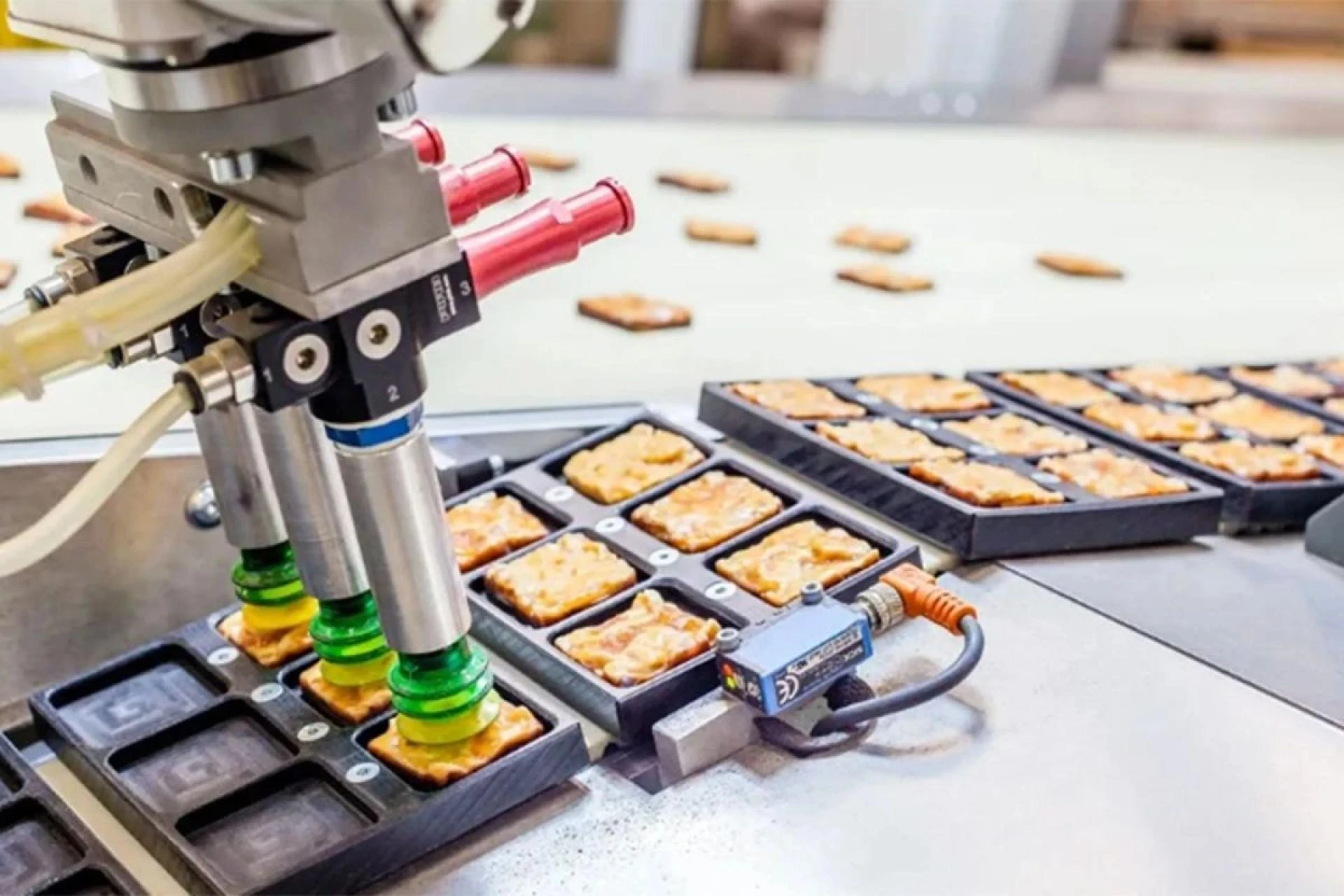

Every equipment employed in food processing or packaging has to adhere to cleanliness guidelines. This covers the lubrication used within them. Regular lubricants can be hazardous if they touch food. They might have dangerous substances never intended for human use. This is the reason why there are food-grade lubricants. These are custom-designed to be safe if food is inadvertently contacted and to lessen machine wear and tear. They keep businesses in accordance and safeguard customers from pollution. Specifically formulated for food equipment, Haynes Lubri-film Plus food grade lubricant offers superior protection without compromising food safety. With high resistance to washout and breakdown, it's a go-to product for food processing environments that demand both reliability and hygiene.
Different Types of Food Grade Lubricants
Food-grade lubricants are sold in various forms. The most frequent is H1, which is applied when contact with food is possible. This is the norm in many food manufacturing sites. Machinery which never touches food at all uses H2 lubes. Though still safe for food applications, these do not meet H1's criteria. Edible oils, such as vegetable oil, and equipment like meat hooks or trolleys are often applied to devices. Each kind is chosen depending on how near it will be to the real food during processing and its particular aim.
Why Are Food-Grade Lubricants Important?
Food-grade lubricants help to avoid pollution. An H1-grade product guarantees that food remains edible even if a lubricant is splashed on it from a machine part. This safeguards the brand as well as the customers. It also helps companies to conform to regional health and safety statutes. Apart from providing protection, these lubricants lengthen the machine's lifetime. They resist high temperatures, minimise friction, and stop corrosion. Less downtime and fewer breakdowns will result from this.
Where Are Food-Grade Lubricants Used?
Many stages of the production line call for food-grade lubricants. Bakeries, meat processing facilities, dairies, and beverage plants are their locations. Machines, including mixers, stoves, conveyors, and bottling lines, all require lubricants. A food-safe solution is needed for any part in motion that contacts or comes near food. These lubricants help to prevent machines from overheating or wearing down prematurely. In a bakery, for instance, food-grade grease might be used on a dough mixer to prevent sticking and lower noise levels.
How to Choose the Right Food-Grade Lubricant
An environmentally friendly lubricant is formulated with components that will not damage people, food, or the surroundings. Food-grade lubricants utilise synthetic or purified mineral foundation oils. These oils are nontoxic and stable. Additives are chosen with care to offer wear protection, resistance to oxidation, and versatility concerning extreme or low temperatures. Left out but just as important are no hard solvents, no heavy metallurgical, and no bad chemicals. Tested to be sure they will not affect food's smell or taste or support bacterial growth. Are these lubricants?
Select the Right Food-Grade Ingredient
The kind of lubricants chosen depends on the machinery and its working conditions. Take into account the temperature spectrum. Consider the speed of the equipment and the amount of pressure it manages, as well as whether the lubricant will be subjected to heat from ovens or cold from freezers. Consider too the cleaning process. Regularly washed-down equipment will need a water washout-resistant lubricant. Always look on the product label for NSF certification.
Future Trends in Food-Grade Lubrication
Manufacturers are developing their lubricant recipes as food security levels increase. Many organisations these days are going for plant-based and biodegradable choices. They are more environmentally friendly, and they satisfy increasing demand for clean, sustainable goods. Moreover, the lubricant control is a technology. Some plants employ sensors in real time to check performance and lubrication levels. This helps to waste less and avoid equipment breakdown. Maintenance teams can use digital technology to arrange service before issues arise.
Conclusion:
Although not popular, food-grade lubricants are essential for the sanitary and safe processing of food. Simultaneously preserving machines and people. Using the best goods helps businesses remain in compliance, circumvent expensive recalls, and keep operations running smoothly. The right lubricant in the food business nowadays is a safety measure, a maintenance solution, and a wise commercial decision, aside from being a tool.
Also, read: Ikk Panjab Rajouri Garden Food and Restaurant Review #FoodReview

Sign in to leave a comment.