In our increasingly digital world, chatbots have become integral to how we interact with technology. From customer service to personal companionship, these AI-driven entities are reshaping communication. But what exactly is a chatbot, and how do they function?
Let's delve into their mechanics and applications.
Understanding Chatbots
A chatbot is a software application designed to simulate human-like conversations with users. These interactions can occur through text or voice, enabling users to communicate with digital systems as they would with a human. Chatbots are powered by various technologies, including natural language processing (NLP), machine learning (ML), and artificial intelligence (AI), allowing them to understand, process, and respond to user inputs effectively.
The Mechanics Behind Chatbots
Chatbots operate through a combination of rule-based systems and AI-driven models:
- Rule-Based Chatbots: These follow predefined scripts and respond to specific commands. They're effective for straightforward tasks but lack flexibility.
- AI-Powered Chatbots: Utilizing NLP and ML, these bots can interpret complex queries, learn from interactions, and provide more nuanced responses. They adapt over time, improving their accuracy and relevance.
The integration of these technologies enables chatbots to handle a wide range of functions, from answering FAQs to assisting in complex decision-making processes.
Historical Context: The Evolution of Chatbots
The concept of chatbots dates back to the 1960s with ELIZA, an early natural language processing computer program. Since then, advancements in AI and computing power have led to sophisticated chatbots capable of engaging in meaningful conversations, understanding context, and providing personalized experiences.
Applications Across Industries
Chatbots have found applications in various sectors:
- Customer Service: Many companies employ chatbots to handle customer inquiries, reducing wait times and operational costs.
- Healthcare: Bots assist in scheduling appointments, providing medical information, and monitoring patient health.
- Finance: Chatbots help users manage accounts, track expenses, and provide financial advice.
- E-commerce: They guide users through product selections, answer queries, and facilitate purchases.
In each of these sectors, the ability to understand and respond appropriately to user inputs is crucial, highlighting the importance of knowing how to talk to AI.
The Rise of AI
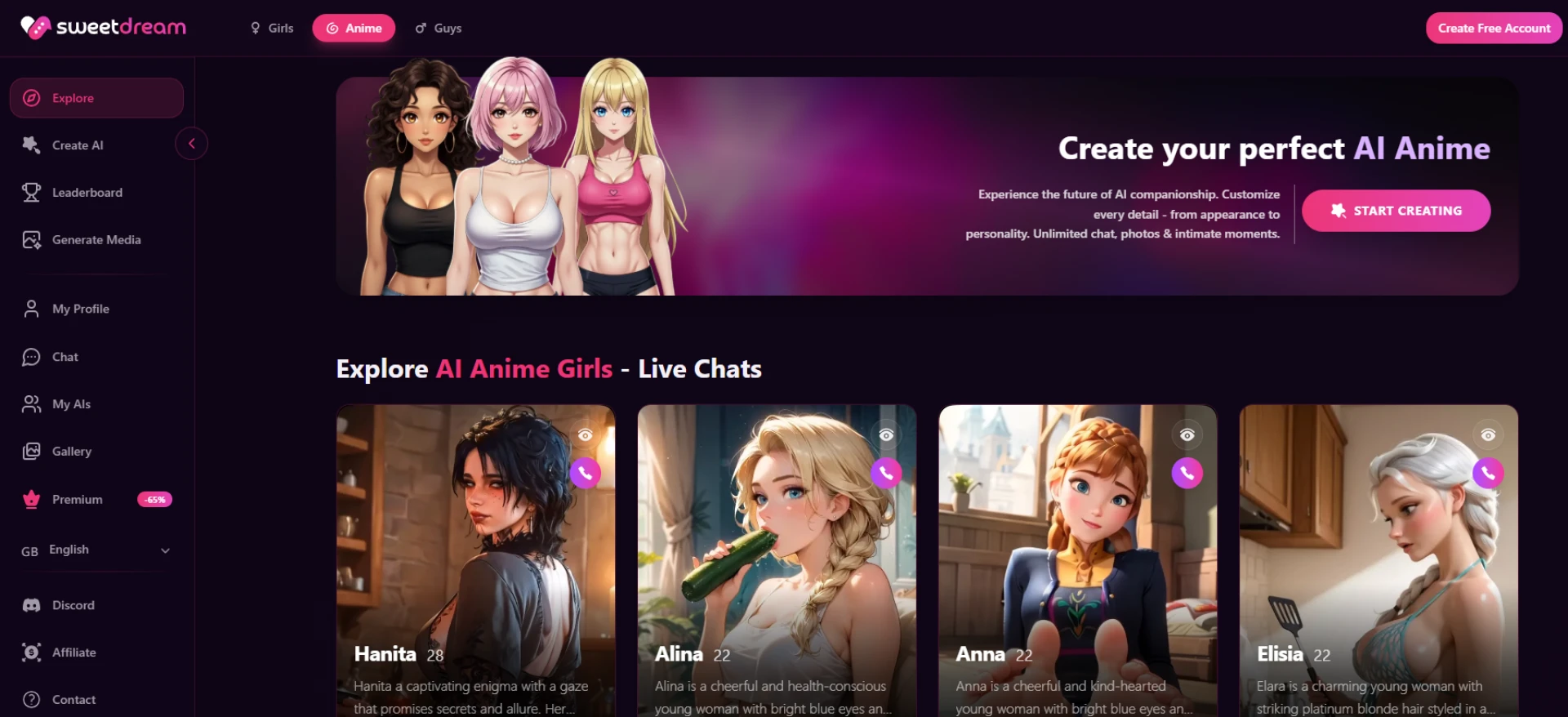
A niche yet growing segment is the AI chatbot 18+, designed for adult interactions. These bots offer personalized experiences, catering to users seeking companionship or adult-themed conversations. They utilize advanced NLP and ML to simulate realistic interactions, ensuring user preferences are met while maintaining privacy and discretion.
Chatbots in AI Marketing
In the realm of AI Marketing, chatbots play a pivotal role. They engage potential customers, gather data, and provide personalized recommendations. By analyzing user behavior, these bots can tailor marketing strategies, leading to increased conversion rates and customer satisfaction. Understanding how to talk to AI becomes essential here, as the quality of user input directly influences the effectiveness of marketing campaigns.
Centralizing Tools: All AI Tools in One Website
For businesses and developers, accessing a variety of AI tools can be cumbersome. Platforms that offer all AI tools in one website simplify this process. These centralized hubs provide resources ranging from chatbot frameworks to analytics tools, streamlining development and deployment processes. Such consolidation not only saves time but also ensures consistency across AI applications.
Challenges and Considerations
While chatbots offer numerous benefits, they aren't without challenges:
- Understanding Nuance: Bots may struggle with sarcasm, idioms, or ambiguous language.
- Security Concerns: Ensuring user data privacy is paramount, especially in sectors like healthcare and finance.
- Dependence on Quality Input: The effectiveness of a chatbot often hinges on how users communicate with it. Thus, educating users on how to talk to AI can enhance interactions.
The Future of Chatbots
As technology advances, chatbots are expected to become more sophisticated. Integration with augmented reality, improved emotional intelligence, and deeper contextual understanding are on the horizon. These developments will further blur the lines between human and machine interactions, making it even more crucial for users to grasp how to talk to AI effectively.
Final Thoughts
Chatbots have transformed the way we interact with technology, offering efficiency, personalization, and accessibility. From customer service to AI Marketing, their applications are vast and varied. As they continue to evolve, understanding their mechanics and knowing how to communicate with them will be essential for both users and developers.











Sign in to leave a comment.