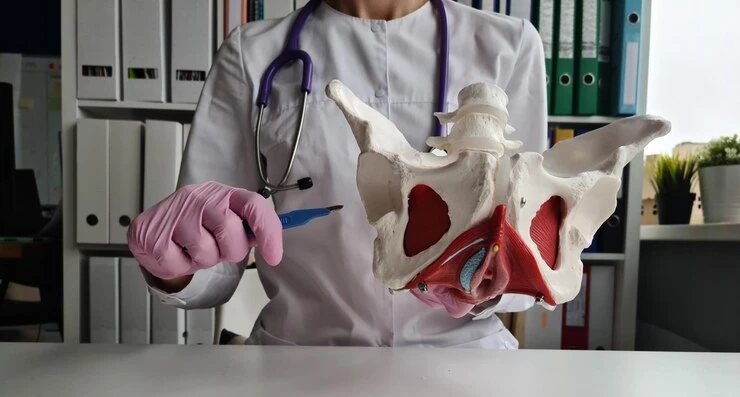

A cervical discectomy procedure is a surgical intervention aimed at alleviating pain and neurological symptoms caused by herniated discs or degenerative disc disease in the cervical spine. This surgery is performed to remove the portion of the disc that is pressing on the spinal cord or nerve roots, providing relief to patients suffering from debilitating neck and arm pain. Understanding the steps involved in a cervical discectomy can help patients prepare for this surgery and set realistic expectations for their recovery.
Preoperative Preparations
Before the cervical discectomy procedure, a thorough preoperative evaluation is conducted. This evaluation typically includes a detailed medical history, physical examination, and imaging studies such as MRI or CT scans. These assessments help the surgeon identify the specific location of the herniated disc and determine the appropriate surgical approach.
Patients are generally advised to refrain from eating or drinking for several hours prior to the surgery. This precaution is essential, especially if general anesthesia will be used. Additionally, patients should discuss their medications with the surgeon, as some medications may need to be adjusted or temporarily halted before the procedure.
Anesthesia and Positioning
On the day of the surgery, patients arrive at the surgical facility, where they are prepared for the procedure. Anesthesia plays a crucial role in ensuring patient comfort during the cervical discectomy. Most patients receive general anesthesia, which renders them unconscious and pain-free throughout the surgery. In some cases, a local anesthetic combined with sedation may be used, depending on the specific circumstances and the surgeon's preference.
Once anesthesia is administered, the patient is positioned on the operating table. For cervical discectomy, the patient is usually placed on their back with the neck slightly extended. This position allows the surgeon optimal access to the cervical spine while maintaining the necessary alignment.
Surgical Approach
The cervical discectomy procedure typically involves an incision in the front of the neck (anterior approach) to access the cervical spine. The surgeon carefully makes a small incision, usually about one to two inches in length, and then moves aside the surrounding muscles and tissues to reach the affected disc.
Removing the Herniated Disc
Once access to the cervical spine is achieved, the surgeon identifies the herniated disc. The next step involves removing the damaged portion of the disc that is causing pressure on the adjacent nerves or spinal cord. This process may involve the use of specialized instruments, such as a microscope or magnifying loupes, to enhance visibility and precision.
In some cases, the surgeon may also need to remove a small portion of the adjacent bone (foraminotomy) to relieve any additional pressure on the nerve roots. The goal of this step is to ensure that all sources of compression are addressed, allowing for optimal recovery.
Possible Use of Bone Grafting and Fusion
In certain cases, the surgeon may recommend a spinal fusion in conjunction with the discectomy. If a fusion is necessary, a bone graft is placed in the space where the disc was removed. This bone graft may be harvested from the patient's own body or obtained from a donor. The purpose of the bone graft is to promote the growth of new bone between the vertebrae, stabilizing the spinal segment over time.
The decision to perform a fusion depends on various factors, including the patient's specific condition, the number of discs involved, and the surgeon's assessment. If fusion is not performed, the surgeon may use a synthetic spacer or artificial disc to maintain the height of the disc space and support the surrounding structures.
Closing the Incision
Once the herniated disc is removed and any necessary bone grafting or fusion has been completed, the surgeon carefully closes the incision. Sutures or staples are used to secure the skin, and a sterile dressing is applied to protect the surgical site. The entire procedure generally takes between one to two hours, depending on the complexity of the case and any additional procedures performed.
Postoperative Care and Recovery
After the cervical discectomy procedure, patients are transferred to the recovery room, where they are monitored as they wake up from anesthesia. Recovery protocols vary based on individual circumstances, but patients can typically expect to stay in the hospital for a few hours to overnight, depending on their overall health and the specifics of the surgery.
During the initial recovery period, patients may experience discomfort, swelling, and soreness around the surgical site. Pain management is an essential component of postoperative care, and healthcare providers will often prescribe medications to help alleviate pain and promote comfort.
Rehabilitation and Follow-Up
Once discharged from the hospital, patients are encouraged to engage in a rehabilitation program to aid in their recovery. Physical therapy plays a vital role in helping patients regain strength, flexibility, and range of motion in their necks. A tailored rehabilitation plan will be developed based on the individual’s needs and progress.
Follow-up appointments with the surgeon are essential for monitoring recovery and ensuring that the surgical site is healing appropriately. These visits provide an opportunity for patients to discuss any concerns, ask questions, and receive guidance on returning to daily activities.
Conclusion
A cervical discectomy procedure can significantly improve the quality of life for patients suffering from neurological symptoms due to herniated discs or degenerative conditions of the cervical spine. Understanding what happens during this procedure can help patients feel more informed and prepared for their surgical journey.
For individuals considering a cervical discectomy, consulting with a qualified specialist is crucial. Robert Louis MD is committed to providing comprehensive evaluations and personalized treatment plans for patients facing cervical spine challenges. By working closely with a skilled medical team, patients can navigate their options with confidence, paving the way for a healthier and more active future.













Sign in to leave a comment.