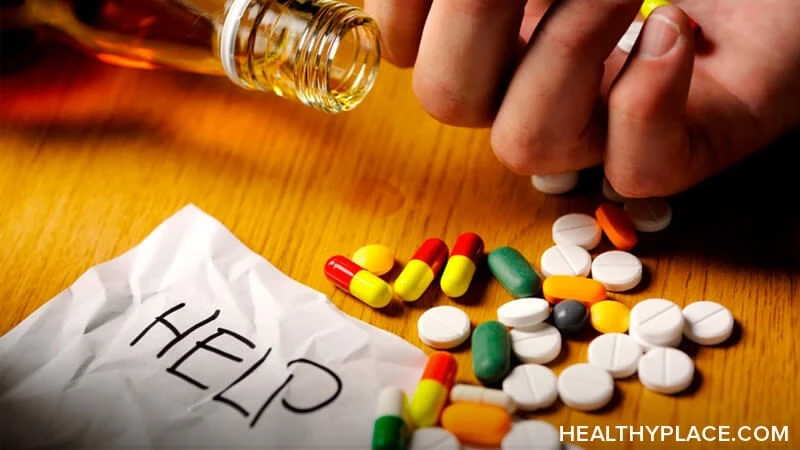

In the intricate tapestry of human existence, mental health and substance abuse are interconnected threads that often become inexplicably entwined. As we navigate the complexities of our modern world, unraveling the intricate relationship between these two prevalent issues becomes increasingly crucial.
Mental disorders like depression, post-traumatic stress disorder (PTSD), and anxiety contribute to increasing substance use and vice versa. In addition, the brain changes in individuals, as a consequence of enduring mental disorders, fuel the rewarding effects of substances and pave the possibility that they will persist in using their drug of choice.
As said, addiction is not a choice; it's a disease that may further strengthen the chain to prevent it from breaking. Dealing with substance abuse, drug addiction, and alcoholism is not easy, and it is even worse when one struggles with mental health issues. At the same time, substance abuse and mental health issues have escalated more than people realize.
According to research published by the Journal of the American Medical Association, approximately 50% of people with severe mental disorders are victims of substance abuse. In comparison, almost 37% of alcohol abusers and 53% of drug abusers have one serious mental illness.
"Healing takes time, and asking for help is a courageous step."
Mariska Hargitay
With the increasing mental health and substance abuse issues, many organizations, including academic institutions, community-based organizations, government, and healthcare professionals, constantly mitigate the misuse by prioritizing mental health and well-being.
Likewise, Dr. J Thomas Smith, an African-American professional mental health and substance abuse counselor, and speaker, promotes awareness of the risks associated with substance abuse to attain a sustainable community.
Marriage and family counseling strongly focuses on fostering and sustaining healthy functional relationships, ultimately establishing a society that can be sustained in the long run.
Realizing the adverse impacts, such as mental health issues due to increasing dysfunctional relationships, Smith became licensed to practice professional counseling in Texas and Georgia. His work included practicing as a therapist, childcare administrator, and chemical dependency counselor.
To tie the roots of professional counseling together with creating awareness, he attained several certifications, including National Board Certified (NCC) Counselor, Certified Clinical Mental Health Counselor, and Master Addictions Counselor (NBCC); a National Certified Addiction Counselor (NAADAC); and a U.S. Department of Transportation (DOT) qualified Substance Abuse Professional. He was a clinical member of the American Association for Marriage and Family Therapy for many years.
Reflecting on his educational achievements, Smith earned a Master's degree in Counseling Psychology from Vermont College of Norwich University, and to further strengthen his knowledge in the field of Psychology, he pursued a Ph.D. in Behavioral Science from Universidad de San Jose. Later, in 1999, he completed his Juris Doctorate from Texas Southern University—Thurgood Marshall School of Law. His various certifications broaden his formal education, enhancing his ability to serve and educate the community.
In 1990, he began a mental health practice in Atlanta, Georgia, and accepted a psychology instructor position at Atlanta Metropolitan College and air shift at WSTR-Star 94 FM. After two years, he returned to Houston. He later began to host Sunday Morning Live and Dr. J Thomas Smith's Saturday Morning Show on KMJQ Majic 102.1 FM. On Sunday Morning Live, he often had segments that addressed the implications of mental health and substance abuse.
Dr. Smith received an opportunity to serve as a Director of Counseling Services at Prairie View A&M University in 1993. After a five-year tenure, he joined The Harris Center for Mental Health and IDD as a Clinical Professional of the Healing Arts. He held various positions, including part of a triage team facilitating emergency commitments at Ben Taub Hospital and a community liaison position counseling juveniles and their families in the home and school settings. He served MHIDD for almost ten years.
He was honored by Let the Fashions Begin, Inc. as A Man of Style One. The fundraiser benefits the Texas Children's Sickle Cell Center. Additionally, he has served as the American Mental Health Counseling Association Liaison to the National Board for Certified Counselors (NBCC). He has also served on the NBCC Examination Committee that writes the licensing examination used at the national and state levels. He co-hosted a national radio program, Counseling Today, with Tom Clawson, Executive Director of the NBCC at the time.
The prevailing consequences of substance abuse and mental health don't get better when ignored. They are likely to worsen. Therefore, one must know that one does not have to remain in the rut of addiction their entire life. Engaging in therapy and counseling aids in conquering inner demons, repairing relationships, and embracing the road to recovery. However, substance abuse and mental health are challenges plaguing societies worldwide. The detrimental effects impact individuals and ripple through families, schools, workplaces, and entire communities.
As a speaker and advocate, Smith argues that we can create a society prioritizing mental health and substance abuse prevention. By working together, we can break the cycle of substance abuse and build a community that thrives on compassion, support, and understanding. Let us stand united in the fight against substance abuse and forge a path toward a brighter future for all.































Sign in to leave a comment.