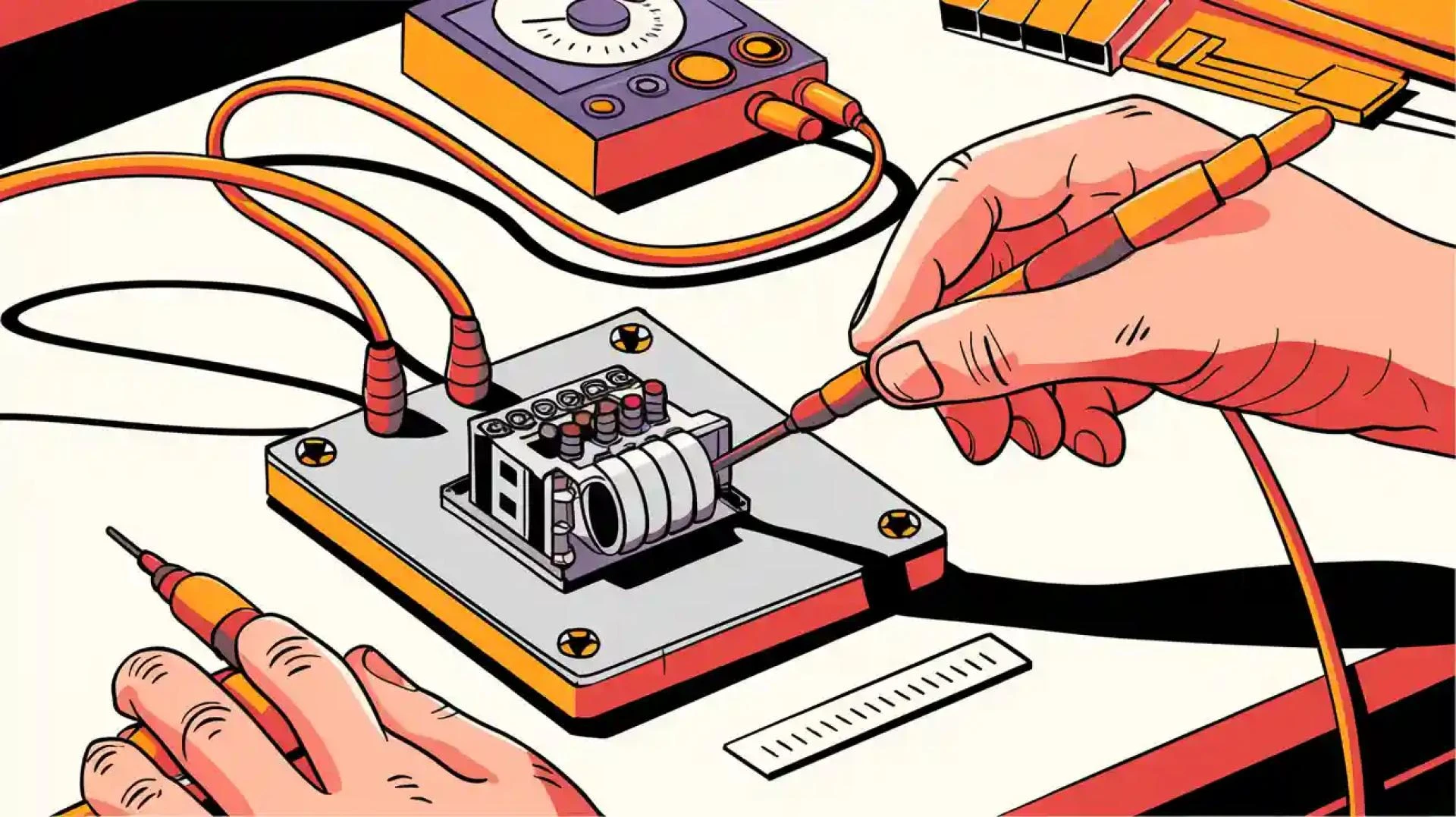

In the world of electrical and electronic devices, switches play a crucial role in controlling the flow of electricity. Among the most versatile and widely used types is the SPDT switch, or Single Pole Double Throw switch. Whether you’re working on a DIY project, designing industrial machinery, or exploring electronic circuits, understanding how an SPDT switch works—and how to use it effectively—can open up a world of possibilities.
What is an SPDT Switch?
An SPDT switch (Single Pole Double Throw) is a type of electrical switch that allows a single input (the pole) to connect to one of two outputs (the throws). Essentially, it can route a signal or current between two different paths. This makes it ideal for applications that require switching between two different circuits or operating modes.
Think of it like a railway track switch that directs a train to one of two tracks. Similarly, an SPDT switch directs electrical current to one of two destinations, depending on its position.
Structure and Working Principle
An SPDT switch consists of:
- One common terminal (C)
- Two output terminals (A and B)
When the switch is flipped:
- In one position, the common terminal connects to terminal A.
- In the other position, it connects to terminal B.
This simple mechanism allows the user to toggle between two circuits or states—like turning one light on while turning another off.
Types of SPDT Switches
SPDT switches come in several forms depending on their design and application. The most common types include:
1. Toggle SPDT Switch
This is the most recognizable form—featuring a lever that flips between two positions. It’s often found in control panels, machinery, and automotive applications.
2. Slide SPDT Switch
This version operates by sliding a small actuator horizontally or vertically. It’s commonly used in compact electronic devices such as radios and remote controllers.
3. Rocker SPDT Switch
Here, the actuator rocks back and forth between two positions. Rocker switches are popular in appliances and power tools due to their ease of use and durability.
4. Push-Button SPDT Switch
These switches use a button mechanism to change states. They are used in control systems and instrumentation panels.
5. Relay-Based SPDT Switch
Instead of manual operation, these are controlled electrically—perfect for automation systems, remote control circuits, and logic switching.
Applications of SPDT Switches
The SPDT switch is an essential component across industries due to its versatility. Let’s explore some of its most common uses:
1. Control of Dual Circuits
In applications where two circuits need to be alternately connected to a single input—such as switching between power sources or outputs—the SPDT switch is ideal.
2. Polarity Reversal
By connecting the terminals appropriately, an SPDT switch can reverse the polarity of a DC motor, allowing it to change direction. This is widely used in robotics and automation.
3. Signal Routing
SPDT switches are used to route signals between different components, such as in audio systems or testing instruments, allowing seamless switching between input sources.
4. Measurement Systems
In laboratories and testing setups, SPDT switches help toggle between different sensors or instruments without the need for rewiring.
5. Home and Industrial Automation
From lighting systems to complex industrial machinery, SPDT switches offer manual or automated control over multiple functions—providing both flexibility and efficiency.
Advantages of Using SPDT Switches
The SPDT switch is popular because of its adaptability and efficiency. Here are some of its key advantages:
1. Versatility
One of the biggest strengths of the SPDT switch is its ability to handle multiple configurations—allowing for flexible design choices in both simple and complex circuits.
2. Ease of Integration
It can be easily integrated into existing systems, whether manual or automated, without requiring extensive modifications.
3. Compact Design
SPDT switches are available in small and efficient designs, making them suitable for modern compact electronic devices.
4. Durability
Manufactured using high-quality materials, these switches are built to withstand mechanical stress and provide long-term reliability.
5. Cost-Effective Solution
Despite their capabilities, SPDT switches are relatively inexpensive, offering an economical solution for a wide range of control and switching needs.
SPDT vs. SPST and DPDT: Understanding the Difference
When exploring switches, you’ll often encounter similar terms like SPST (Single Pole Single Throw) and DPDT (Double Pole Double Throw). Here’s how they differ from an SPDT switch:
- SPST (Single Pole Single Throw):
- Has one input and one output—essentially a simple ON/OFF switch.
- SPDT (Single Pole Double Throw):
- Has one input and two outputs—allowing you to toggle between two circuits.
- DPDT (Double Pole Double Throw):
- Acts as two SPDT switches operating together, capable of controlling two separate circuits simultaneously.
In short, while an SPST is straightforward and a DPDT offers more control, the SPDT switch strikes a balance—providing flexibility without complexity.
How to Wire an SPDT Switch
Wiring an SPDT switch is simple yet powerful. The basic configuration involves:
- Connect the power source to the common terminal (C).
- Connect the load or devices to terminals A and B.
- When the switch is toggled, the common terminal connects to either A or B—activating the corresponding circuit.
In more advanced setups, SPDT switches can be combined with relays, LEDs, or microcontrollers for custom applications.
Practical Example: Reversing a Motor’s Direction
One of the most interesting uses of an SPDT switch is reversing the direction of a DC motor. By wiring the motor terminals through the switch in a crossed pattern, toggling the switch changes the polarity, thereby reversing rotation direction. This simple yet effective technique is used in electric vehicles, robots, and conveyor systems.
The Future of SPDT Switches: Smart and Sustainable Designs
As technology advances, even traditional components like the SPDT switch are evolving. Modern designs now integrate touch control, remote switching, and IoT (Internet of Things) compatibility, bringing intelligence to everyday circuits. Furthermore, manufacturers are increasingly focusing on eco-friendly materials and energy-efficient designs to align with global sustainability goals.
The transition toward smart automation and renewable energy systems ensures that SPDT switches will continue to play a critical role in both household and industrial innovation.
Conclusion: Small Switch, Big Impact
The SPDT switch may seem like a simple component, but its ability to control, route, and manage electrical signals makes it indispensable in the world of electronics. From powering home appliances to driving automation systems, its versatility is unmatched.
As technology continues to evolve, SPDT switches will likely become more intelligent, efficient, and sustainable—bridging the gap between traditional hardware and smart electronic ecosystems. In many ways, the humble SPDT switch reminds us that even the smallest components can have the biggest impact on innovation and progress.











Sign in to leave a comment.