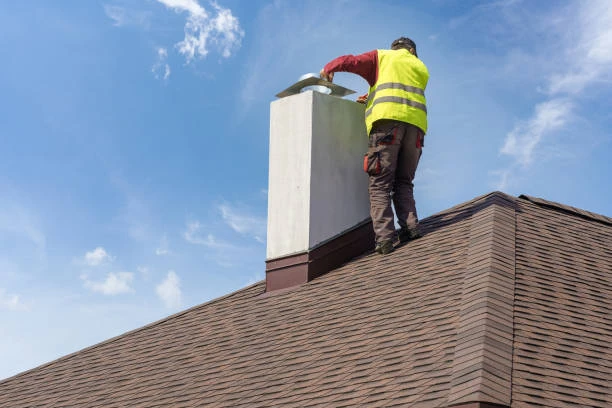

Introduction to Roof Certification
Roof certification is a process that involves a professional inspection and assessment of a roof's condition, followed by the issuance of a certification document. This document typically states that the roof is in good condition and is expected to perform well for a specified period, usually ranging from two to five years. Roof certification is often required when buying or selling a home, obtaining insurance, or securing a warranty. It provides peace of mind to homeowners, buyers, and insurers by ensuring that the roof is free from major defects and is likely to remain functional for the foreseeable future.
Why Roof Certification is Important
For Home Buyers and Sellers
When buying or selling a home, roof certification can be a crucial factor. For buyers, it ensures that the roof is in good condition and won't require immediate repairs or replacement, which can be a significant expense. For sellers, having a roof certification can make the property more attractive to potential buyers and can even increase the home's market value. It also provides a level of transparency and trust during the transaction process.
For Insurance Purposes
Insurance companies often require roof certification before issuing or renewing a homeowner's insurance policy. A certified roof is seen as less risky, as it is less likely to suffer from leaks, structural issues, or other problems that could lead to costly claims. In some cases, having a roof certification can also result in lower insurance premiums.
For Warranty Claims
Many roofing manufacturers offer warranties on their products, but these warranties often require regular inspections and maintenance. A roof certification can serve as proof that the roof has been properly maintained and is in good condition, making it easier to file warranty claims if issues arise.
The Roof Certification Process
Initial Inspection
The first step in obtaining a roof certification is a thorough inspection by a licensed roofing professional. This inspection typically includes a visual assessment of the roof's surface, as well as checks for structural integrity, leaks, and other potential issues. The inspector will also examine the attic and other areas that could indicate underlying problems.
Detailed Report
After the inspection, the roofing professional will provide a detailed report outlining the condition of the roof. This report will include any issues found, recommendations for repairs or maintenance, and an overall assessment of the roof's condition. If the roof is deemed to be in good condition, the inspector will proceed with the certification process.
Issuance of Certification
If the roof passes the inspection, the roofing professional will issue a roof certification. This document will typically include the date of the inspection, the condition of the roof, and the expected lifespan of the roof based on its current condition. The certification is usually valid for a specified period, after which another inspection may be required to renew the certification.
What Roof Certification Covers
Structural Integrity
A roof certification ensures that the roof is structurally sound and free from major defects. This includes checking for issues such as sagging, cracked or missing shingles, and damage to the roof deck.
Waterproofing
The certification process includes a thorough check for leaks and other waterproofing issues. The inspector will look for signs of water damage, such as stains or mold, and will ensure that the roof's flashing, seals, and other waterproofing elements are in good condition.
Material Condition
The condition of the roofing materials is also assessed during the certification process. This includes checking for wear and tear, granule loss on asphalt shingles, and any other signs of material degradation. The inspector will also ensure that the materials used are appropriate for the climate and conditions in which the roof is located.
Ventilation and Insulation
Proper ventilation and insulation are crucial for the longevity and performance of a roof. The certification process includes checks to ensure that the roof is adequately ventilated and insulated, which can help prevent issues such as ice dams, mold growth, and excessive heat buildup.
Benefits of Roof Certification
Peace of Mind
One of the primary benefits of roof certification is the peace of mind it provides. Knowing that your roof has been professionally inspected and certified can alleviate concerns about potential issues and unexpected repairs.
Increased Property Value
A certified roof can increase the value of your property. Potential buyers are more likely to be interested in a home with a certified roof, as it reduces the risk of future expenses related to roof repairs or replacement.
Easier Insurance and Warranty Claims
Having a roof certification can make it easier to obtain or renew homeowner's insurance and can also simplify the process of filing warranty claims. Insurance companies and warranty providers are more likely to honor claims when the roof has been certified by a professional.
Long-Term Savings
By identifying and addressing potential issues early, roof certification can help you avoid costly repairs or replacements down the line. Regular inspections and maintenance can extend the lifespan of your roof, saving you money in the long run.
How to Obtain Roof Certification
Hire a Licensed Professional
The first step in obtaining roof certification is to hire a licensed and experienced roofing professional. Look for a contractor with a good reputation and positive reviews from previous clients. Make sure they are familiar with the specific type of roof you have and the local building codes and regulations.
Schedule an Inspection
Once you've hired a professional, schedule an inspection at a convenient time. The inspection will typically take a few hours, depending on the size and complexity of your roof. Be prepared to provide access to all areas of the roof, including the attic and any other relevant spaces.
Review the Report
After the inspection, review the detailed report provided by the roofing professional. This report will outline any issues found and provide recommendations for repairs or maintenance. If the roof is in good condition, the professional will proceed with issuing the certification.
Complete Necessary Repairs
If the inspection reveals any issues that need to be addressed, it is essential to complete the necessary repairs before obtaining certification. The roofing professional can provide guidance on the best course of action and may offer repair services as well.
Receive Your Certification
Once any necessary repairs have been completed and the roof is deemed to be in good condition, the roofing professional will issue your roof certification. Keep this document in a safe place, as you may need it for insurance, warranty, or real estate transactions.
Conclusion
Roof certification is a valuable process that provides numerous benefits for homeowners, buyers, and insurers. By ensuring that your roof is in good condition and likely to remain functional for the foreseeable future, roof certification offers peace of mind, increased property value, and potential savings on insurance and warranty claims. Whether you are buying, selling, or simply maintaining your home, obtaining a roof certification is a wise investment that can protect your property and your wallet.










Sign in to leave a comment.