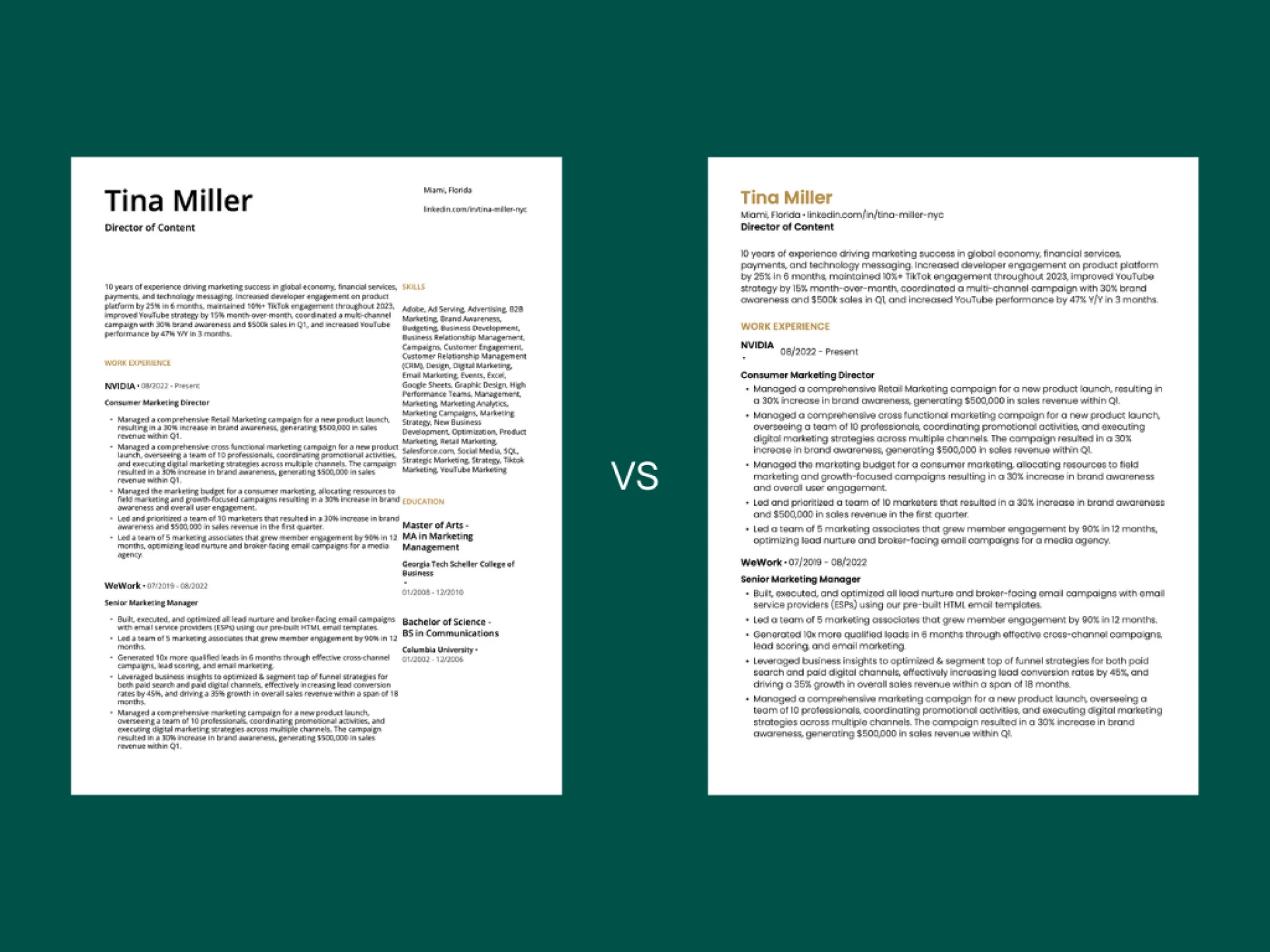

One-column resumes work better with ATS systems and are easy to read. But they can look too long. Two column resumes save space and look modern. But they may cause problems with some ATS systems. Finding the best resume format depends on your situation. Choose one-column for standard jobs, entry-level roles, or online apps. Pick two-column for creative jobs, when space is tight, or for direct emails. Your best choice depends on your job field, career level, and how you'll submit it.
The Resume Format Dilemma
Your resume is often the first thing employers see. It shapes their first impression before they meet you. The format you choose matters just as much as what you write. Should you use a one-column or two column resume? This is a big question for job seekers today. The two column resume vs one column debate affects your chances. Each format has pros and cons. Your choice should match your job field and career level. It should also work well with how you plan to apply. This guide will help you pick the best resume format for your needs.
The Basics of Resume Formats
Choosing the right resume format is a key step in your job search. The format affects how hiring managers view your skills and experience. Many job seekers wonder about two column resume vs one column options. Your choice can make the difference between getting an interview or being overlooked.
What Is a One-Column Resume?
A one-column resume lists all info from top to bottom in one column. This is the classic format most people know. Your contact details, work history, and skills span the full page width. It creates a clear top-to-bottom reading path. This format makes it easy to follow your job history. Many hiring managers like this layout, especially in traditional job fields.
What Is a two column resume?
A two column resume splits the page into two parts. It lets you show more info at first glance. The narrow column often holds brief details. This might include contact info, skills, or languages. The wider column shows work history and key achievements. The two column resume format uses space better than the one-column style. It adds visual appeal and can help you stand out.
Pros and Cons: One-Column Resume Format
Understanding the strengths and weaknesses of a one-column format will help you decide. This classic style has stood the test of time for good reasons. Yet it also comes with limitations that might affect your job search.
Advantages of the Single-Column Approach
Better for ATS Systems
One-column resumes work well with ATS software. These programs scan resumes before humans see them. About 75% of employers use ATS today. One-column layouts are easy for these systems to read. This ensures your skills won't get lost in the process.
Easier to Read
One-column resumes follow how we normally read text. We read from top to bottom, left to right. This makes it easy for hiring managers to scan your info. They can quickly see your job history and skills without jumping around the page.
Good for Detailed Work History
If you have many jobs or achievements to list, one column works well. You'll have space to describe each role fully. You can explain your duties and successes without crowding the page.
Drawbacks of Single-Column Layouts
Uses More Pages
One-column resumes can get long fast. All content flows down the page. This often leads to two or more pages. Many recruiters prefer one-page resumes. Long resumes might test their patience.
Can Look Plain
Without good design elements, one-column resumes can look boring. This makes it hard to stand out from other job seekers. The plain look works for many jobs. But it may hurt in creative fields where design skills matter.
Pros and Cons: two column resume Format
The two column resume format offers a modern alternative to traditional layouts. Many job seekers consider it the best resume format for creative fields. It changes how your information is organized on the page. This format has gained popularity in recent years for several compelling reasons.
Benefits of the Dual-Column Design
Saves Space
two column resumes fit more info on one page. This helps you meet the one-page limit many recruiters prefer. You can show key skills in one column. Work history can go in the other column.
Looks More Modern
two column resumes catch the eye in a good way. The modern look shows you pay attention to details. It signals you're aware of current trends. This can help in forward-thinking job fields.
Shows What's Important
With two columns, you can guide the reader's eye to key info. You can place your best skills in a spot they'll see first. This helps ensure your top talents don't get missed.
Challenges of Two-Column Formats
May Confuse ATS Systems
The biggest risk with two column resumes is ATS problems. Some ATS systems still struggle with multiple columns. They might miss key parts of your resume. This could cost you job chances.
Less Room for Details
While two columns save space overall, each column is narrower. This gives you less room to explain complex jobs. You may need to cut details that could help your case.
Needs Design Skills
Making a good two column resume takes some design know-how. Poor spacing or font choices can make it look messy. A bad design could hurt rather than help your chances.
Making Your Choice: Job Field Matters
Different industries have different expectations for resume formats. What works well in one field might hurt your chances in another. Your job field should be one of the main factors in your format decision.
Traditional vs. Creative Jobs
Your job field should guide your resume format choice. In banking, law, or healthcare, one-column is safer. These fields value tradition. They may see fancy resumes as unprofessional.
In design, marketing, or media jobs, two-column works well. These fields value creativity. Your resume can show your design skills. It serves as a sample of your work.
Tech Industry Tips
The tech field sits in the middle. Tech firms like new ideas. But many use ATS to screen resumes. For coding or IT jobs, content matters more than design. A clean one-column format often works best.
For UX/UI design or product roles, a two column resume might fit better. This is true if you send it straight to a hiring manager. It's less true for online job portals.
Career Level Considerations
Your career stage plays a big role in which resume format works best. Early career job seekers have different needs than seasoned professionals. Finding the best resume format depends on your work experience. The right format changes as you climb the career ladder.
Entry-Level Job Seekers
New grads should often pick one-column resumes. With little work history, you won't need two columns. A simple layout ensures your limited experience gets proper focus. It won't look lost in a fancy design.
Mid-Career and Executives
As you gain more experience, space becomes an issue. Mid-career pros often benefit from two-column layouts. They help keep resumes to two pages or less.
For executives, either format can work well. Some prefer the classic look of one column. Others like how two columns highlight key skills. Your choice should fit your personal brand.
How You'll Apply Matters
The way you submit your resume affects which format will work best. Online applications handle resumes differently than human recruiters do. The two column resume vs one column choice is critical here. Your application method should influence your format choice.
Online Forms vs. Direct Emails
How you submit your resume should affect your choice. If you apply through job sites or online forms, use one column. This gives you the best chance with ATS systems.
For networking events or direct emails to hiring managers, two columns work well. When a human will see your resume first, visual appeal matters more. The ATS risk isn't there in these cases.
Print vs. Digital Viewing
Think about how people will view your resume. Two-column often looks better in print. The whole layout is visible at once. For phone or tablet viewing, one column may work better. It requires less zooming and scrolling.
Mix and Match: Hybrid Approaches
You don't have to choose just one resume format style. Many successful job seekers use elements from both formats. Creative hybrid designs can give you the best of both worlds.
Modified One-Column Designs
You don't have to pick just one style. Many good resumes blend both approaches. You might use a narrow side column for contact info and skills. The main column could hold work history in ATS-friendly format.
Multiple Resume Versions
Some job seekers keep two resume versions. They might have a simple one-column for online apps. Then they use a nicer two-column for events or creative jobs. This takes more work but lets you adapt to each chance.
Tips for Success
Having the right strategy makes your resume more effective regardless of format. Small details can make a big difference in how your resume performs. Whether you choose a two column resume or single column, these tips help. These practical tips will help your resume stand out in a positive way.
One-Column Resume Tips
If you choose one column, try these ideas:
- Use white space to create clear sections
- Add simple design touches like line breaks
- Pick a modern, clean font
- Use bold text for key points
two column resume Tips
For two column resumes, keep these tips in mind:
- Put your name and contact info at the top
- Place your best skills in the left column
- Keep spacing even between columns
- Choose fonts that are easy to read
- Make a backup one-column version for online apps
Making Your Final Choice
Deciding between formats requires careful thought about your unique situation. The two column resume vs one column debate has no single right answer. The best resume format depends on several personal factors specific to you. Taking time to make this decision can improve your job search results.
Questions to Ask Yourself
To pick your best format, ask yourself these questions. How will I submit my resume? What's normal in my job field? How much work history do I have? Can I design a good two-column layout? Which format shows my strengths better?
Test Your Resume
Always test your resume before using it. Run it through an ATS simulator. Ask friends for feedback. Track which version gets more responses from employers.
Conclusion: Finding Your Best Format
There's no single "best" resume format for everyone. The right choice meets your specific needs. Think about your job field, career level, and how you'll apply. These factors should guide your choice.
Your resume will change as your career grows. The right format today may not work next year. Stay open to change. Seek feedback from others. Focus on clarity first.
The best resume clearly shows your value to employers. It uses a format that fits your field. And it works with the hiring systems companies use. Whether that's one column or two depends on your unique career story.













Sign in to leave a comment.