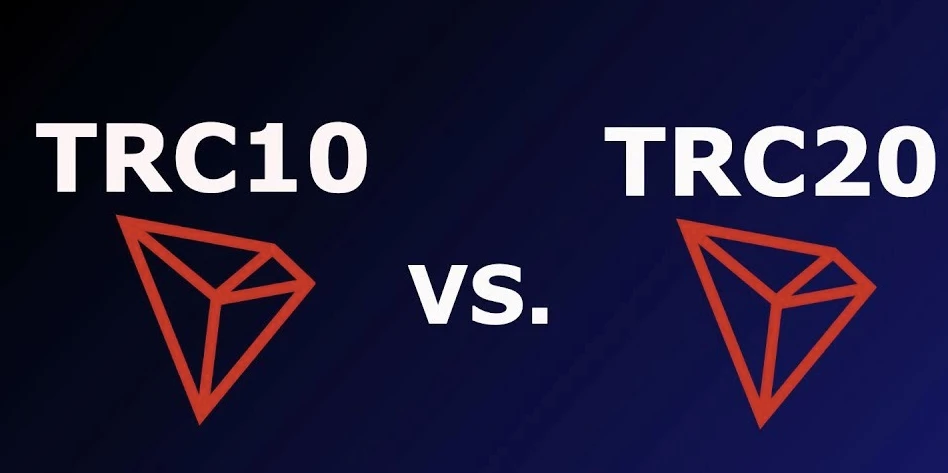

The Tron blockchain has gained massive popularity due to its efficiency, low transaction fees, and scalability. One of the key aspects of Tron is its token standards. TRC-10 and TRC-20 are the two main token types on the network. Each has unique properties and is used for different purposes. Understanding their differences is essential for anyone involved in crypto token development or working with a token development company.
What is TRC-10?
TRC-10 is the first token standard on the Tron network. It was introduced before Tron Virtual Machine (TVM) was launched. This type of token does not require smart contracts to operate. TRC-10 tokens are directly supported by the Tron blockchain, making them lightweight and efficient.
One of the biggest advantages of TRC-10 is its low transaction fees. Since it does not use smart contracts, network fees are significantly lower than TRC-20 tokens. This makes TRC-10 ideal for simple use cases like ICOs, airdrops, and fundraising campaigns.
TRC-10 tokens are also easy to issue. Anyone with a basic understanding of blockchain can create a TRC-10 token with minimal effort. The built-in API support allows easy integration into exchanges and wallets. However, the lack of smart contract support limits their flexibility. Developers have less control over how tokens function, reducing the ability to implement custom rules and automation.
What is TRC-20?
TRC-20 is a more advanced token standard designed for use with smart contracts. It operates similarly to Ethereum’s ERC-20 standard. TRC-20 tokens are created using the Tron Virtual Machine (TVM), which allows for greater flexibility and programmability.
One of the major benefits of TRC-20 is its compatibility with smart contracts. This makes it a preferred choice for decentralized finance (DeFi), gaming, and automated payment solutions. Smart contracts enable developers to implement advanced functionalities, such as staking, governance, and rewards distribution. This gives businesses more control over their tokens, making them suitable for complex applications.
However, TRC-20 tokens come with higher transaction fees compared to TRC-10. Since they require smart contract execution, the cost per transaction is slightly more expensive. Despite this, the flexibility and interoperability of TRC-20 make it the standard choice for most crypto token development projects.
Key Differences Between TRC-10 and TRC-20
1. Smart Contract Usage
TRC-10 tokens do not support smart contracts, making them limited in functionality. TRC-20 tokens, on the other hand, operate using smart contracts, allowing for advanced features.
2. Transaction Fees
TRC-10 has lower transaction fees since it does not involve smart contracts. TRC-20 tokens require more processing power, leading to higher fees.
3. Use Cases
TRC-10 is commonly used for ICOs, fundraising, and basic token transfers. TRC-20 is preferred for DeFi, staking, payments, and complex token applications.
4. Integration and Support
TRC-10 tokens are easier to integrate with exchanges due to their simplicity. TRC-20 tokens require additional development but offer greater flexibility.
Which One Should You Choose?
The choice between TRC-10 and TRC-20 depends on the specific needs of a project. If cost efficiency and simplicity are the main goals, TRC-10 is a good option. It works well for basic token distributions, loyalty programs, and fundraising campaigns.
For projects requiring automation, smart contract functionality, and custom logic, TRC-20 is the better choice. Businesses involved in DeFi, gaming, or digital assets often prefer TRC-20 due to its adaptability.
Many startups and enterprises partner with a token development company to determine the best token standard for their needs. Professional developers help in structuring token functionalities, ensuring compatibility with wallets and exchanges, and optimizing security measures.
Conclusion
TRC-10 and TRC-20 serve different purposes within the Tron ecosystem. TRC-10 is cost-effective and easy to implement but lacks smart contract support. TRC-20 provides flexibility and automation but comes with higher transaction costs.
For anyone looking to create a custom token, it is crucial to understand these differences. Whether choosing TRC-10 for efficiency or TRC-20 for advanced features, selecting the right standard is key to the success of a blockchain project. Partnering with a token development company can help streamline the process and ensure the best results for crypto token development efforts.






Sign in to leave a comment.