When you’re transporting cargo—whether it’s a motorcycle, boat, ATV, or heavy equipment—trailer straps are the silent heroes that keep everything in place. A secure tie-down system ensures your load doesn’t shift, slide, or get damaged while on the road. Understanding the types, uses, and best practices for trailer straps can make the difference between a smooth trip and a costly disaster.
What Are Trailer Straps?
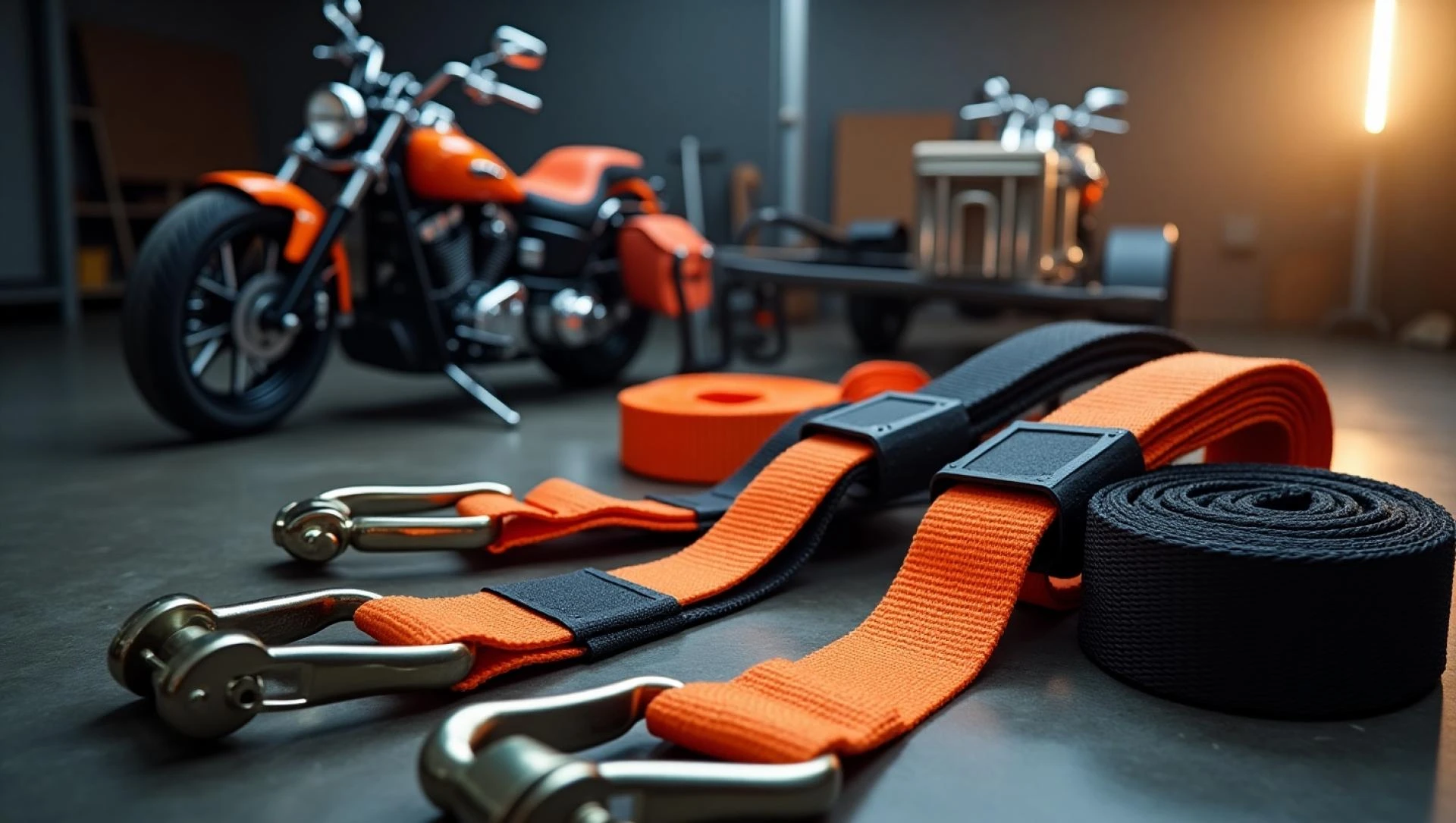
Trailer straps are heavy-duty webbing designed to secure cargo to a trailer bed. Most are made from high-strength polyester, known for its durability, resistance to stretching, and ability to withstand UV rays and moisture. Depending on your cargo, you can find trailer straps in a variety of lengths, widths, and weight ratings.
These straps are commonly paired with:
- Ratchet mechanisms for maximum tension
- Cam buckles for quick adjustments
- Hooks or rings for secure attachment points
Why Use High-Quality Trailer Straps?
Cheap, low-rated straps may seem like a money-saver, but they can fail when you need them most. High-quality trailer straps provide:
- Better Load Security – They keep your cargo firmly in place, even on bumpy roads.
- Long-Term Durability – Premium materials resist fraying, tearing, and UV degradation.
- Higher Working Load Limit (WLL) – Ensuring they can handle the weight of your load safely.
- Reduced Risk of Damage – Strong straps prevent shifting that can scratch or dent cargo.
Choosing the Right Trailer Straps
When selecting straps, consider:
- Working Load Limit (WLL) – This should exceed the weight of your cargo.
- Length & Width – Longer and wider straps offer greater coverage and strength.
- End Fittings – Hooks, flat snaps, and D-rings all serve different trailer designs.
- Tensioning Mechanism – Ratchet straps for heavy-duty loads, cam buckles for lighter items.
How to Use Trailer Straps Effectively
- Position the Load – Place your cargo evenly over the trailer axles for balanced weight distribution.
- Secure Attachment Points – Hook the strap ends to reinforced points on your trailer frame.
- Tighten Evenly – Use a ratchet or buckle to apply even tension across all straps.
- Avoid Twists – Flat, untwisted straps distribute pressure better and last longer.
- Recheck During Transport – Vibration and movement can loosen straps, so inspect them at every stop.
Maintenance Tips for Longer Strap Life
- Store straps in a cool, dry place away from direct sunlight.
- Clean with mild soap and water—never harsh chemicals.
- Inspect before each use for fraying, cuts, or hardware damage.
- Replace any strap that shows signs of wear.
Final Thoughts
Whether you’re hauling recreational gear, construction equipment, or personal belongings, trailer straps are an essential investment in safety and security. Choosing the right straps, using them correctly, and maintaining them well will help you transport cargo with confidence—trip after trip.










Sign in to leave a comment.