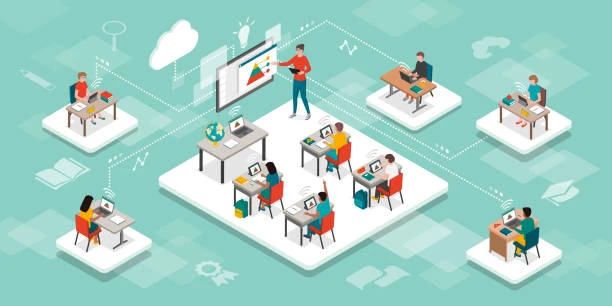

Indiana virtual high schools offer a unique and flexible learning environment that caters to the diverse needs of its students. Central to this innovative approach are the dedicated teachers who play a pivotal role in ensuring students receive a quality education. In this article, we will explore the flexibility and convenience offered by customizable learning schedules, provide parent support tips to help kids succeed, outline the essential technological requirements, and highlight the extracurricular opportunities available through online clubs and activities.
Flexibility and Convenience: Customizable Learning Schedules
One of the primary benefits of a virtual high school is its ability to offer flexible and customizable learning schedules. Unlike traditional brick-and-mortar schools, virtual learning allows students to tailor their education to fit their personal and family needs. This flexibility is particularly beneficial for students who have demanding extracurricular commitments, part-time jobs, or other responsibilities.
Teachers at virtual high schools work closely with students to create individualized learning plans. These plans take into account each student’s strengths, weaknesses, and interests, allowing for a more personalized learning experience. Students can choose when and where they complete their coursework, making it easier to balance their studies with other aspects of their lives. This adaptability not only helps students stay engaged but also promotes a more in-depth understanding of the material.
Parent Support Tips: Helping Kids Succeed
Parents play a crucial role in supporting their children’s education, especially in a virtual learning environment. Here are some tips to help parents ensure their kids succeed at a virtual high school:
Create a Dedicated Learning Space: Set up a quiet, organized, and distraction-free area for your child to complete their schoolwork. A dedicated learning space can help them focus and be more productive.
Establish a Routine: Consistency is key. Encourage your child to follow a daily schedule that includes specific times for studying, breaks, meals, and extracurricular activities. This helps create a sense of normalcy and discipline.
Stay Involved: Regularly check in with your child about their progress, upcoming assignments, and any challenges they might be facing. Being involved shows your child that you value their education and are there to support them.
Communicate with Teachers: Maintain open lines of communication with your child’s teachers. They can provide valuable insights into your child’s performance and offer additional resources or support if needed.
Encourage Social Interaction: Virtual learning can be isolating, so encourage your child to participate in online clubs, discussion forums, and other interactive activities to stay connected with peers.
Technological Requirements Guide: Essential Devices and Software
To ensure a smooth and effective virtual learning experience, students at the virtual high school need to have access to certain devices and software. Here’s a guide to the essential technological requirements:
Reliable Computer or Laptop: A reliable computer or laptop is the most crucial device for virtual learning. Ensure it has a good processor, sufficient RAM (at least 8GB), and a webcam for video conferencing.
High-Speed Internet Connection: A stable and high-speed internet connection is essential for accessing online classes, submitting assignments, and communicating with teachers and classmates.
Headphones with Microphone: To minimize background noise and enhance audio quality during online classes, invest in a good pair of headphones with a built-in microphone.
Learning Management System (LMS): Familiarize yourself with the school’s LMS, such as Canvas or Blackboard. This platform will be used to access course materials, submit assignments, and communicate with teachers.
Productivity Software: Ensure you have the necessary software for completing assignments, such as Microsoft Office or Google Workspace. These tools are often required for writing papers, creating presentations, and other academic tasks.
Beyond Academics: Online Clubs and Extracurricular Activities
Despite being an online school, virtual high school offers a variety of extracurricular opportunities to help students develop social skills, pursue interests, and build a sense of community. Here are some of the clubs and activities available:
Student Government: Students can participate in virtual student government, where they learn about leadership, organization, and teamwork while representing their peers.
Academic Clubs: From math and science clubs to debate and coding clubs, there are numerous academic-focused groups that allow students to deepen their knowledge and engage with like-minded peers.
Arts and Culture Clubs: Creative students can join clubs focused on music, art, drama, and literature. These clubs provide a platform for students to express themselves and collaborate on projects.
Sports and Fitness Clubs: Virtual fitness challenges, eSports teams, and health and wellness clubs encourage students to stay active and healthy, even from home.
Special Interest Groups: There are clubs for nearly every interest, including chess, robotics, environmental awareness, and more. These groups offer students the chance to explore new hobbies and connect with others who share their passions.
Conclusion: Guiding and Inspiring Future Leaders
Teachers in virtual high schools are instrumental in providing a comprehensive and flexible education to their students. Through customizable learning schedules, essential parent support, clear technological requirements, and diverse extracurricular opportunities, they help create a dynamic and supportive learning environment. As the landscape of education continues to evolve, the role of teachers in virtual settings remains crucial in guiding and inspiring students toward success.















Sign in to leave a comment.