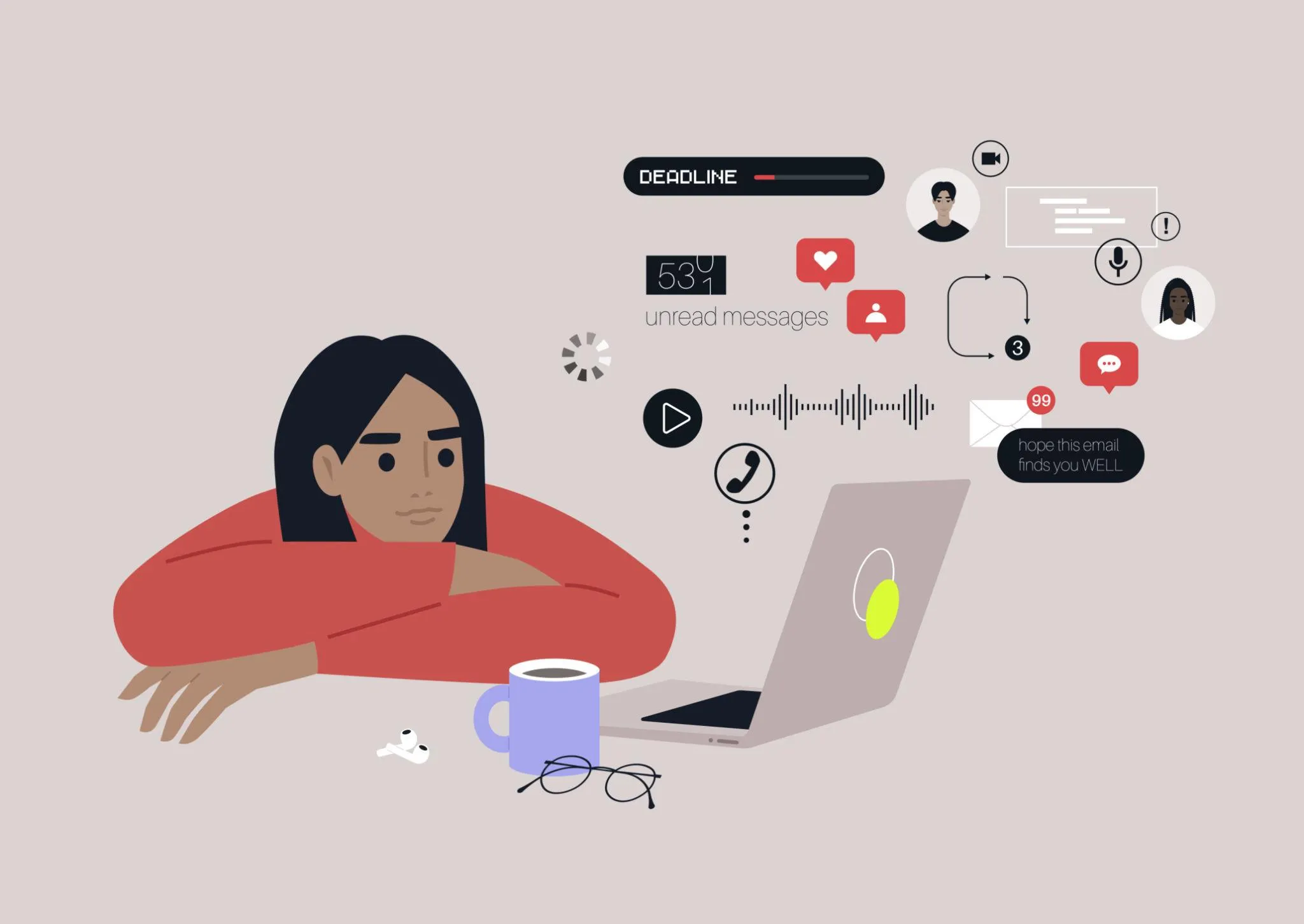

Understanding Constant Connectivity
We live in an era where being “offline” feels almost unnatural. Smartphones buzz, emails stack up, and social media feeds refresh endlessly. This state of constant connectivity has become the default, blurring the boundaries between work, leisure, and rest.
While technology has made life more efficient, it has also introduced a new challenge: digital distraction. The expectation to always be available creates a subtle but persistent pressure, leading to cognitive overload and diminishing our ability to disconnect. Over time, this constant engagement reshapes how we think, process, and focus.

The Psychology Behind Digital Distractions
At the core of digital distraction lies human psychology. Every notification, like, or message triggers a small release of dopamine—the brain’s reward chemical. This reinforces the habit of checking devices repeatedly, feeding into patterns of technology addiction.
The brain becomes conditioned to seek quick bursts of stimulation rather than sustained attention. This shift reduces our tolerance for boredom, which is ironically the very state where creativity and deep thinking often emerge.
As a result, our attention span shrinks. Instead of engaging deeply with one task, we bounce between multiple streams of information, leading to information overload and fragmented thinking.
The Impact on Deep Thinking and Concentration
Deep thinking—what many call deep work—requires uninterrupted focus. It is the mental state where complex ideas are formed, problems are solved, and creativity thrives.
However, constant connectivity disrupts this process:
- Frequent interruptions break cognitive flow
- Task-switching reduces efficiency and accuracy
- Mental fatigue sets in faster
Research suggests it can take several minutes to regain focus after a distraction. Multiply that across a day filled with notifications, and the cost becomes significant.
The result? Reduced mental clarity, weaker problem-solving abilities, and a decline in meaningful productivity.
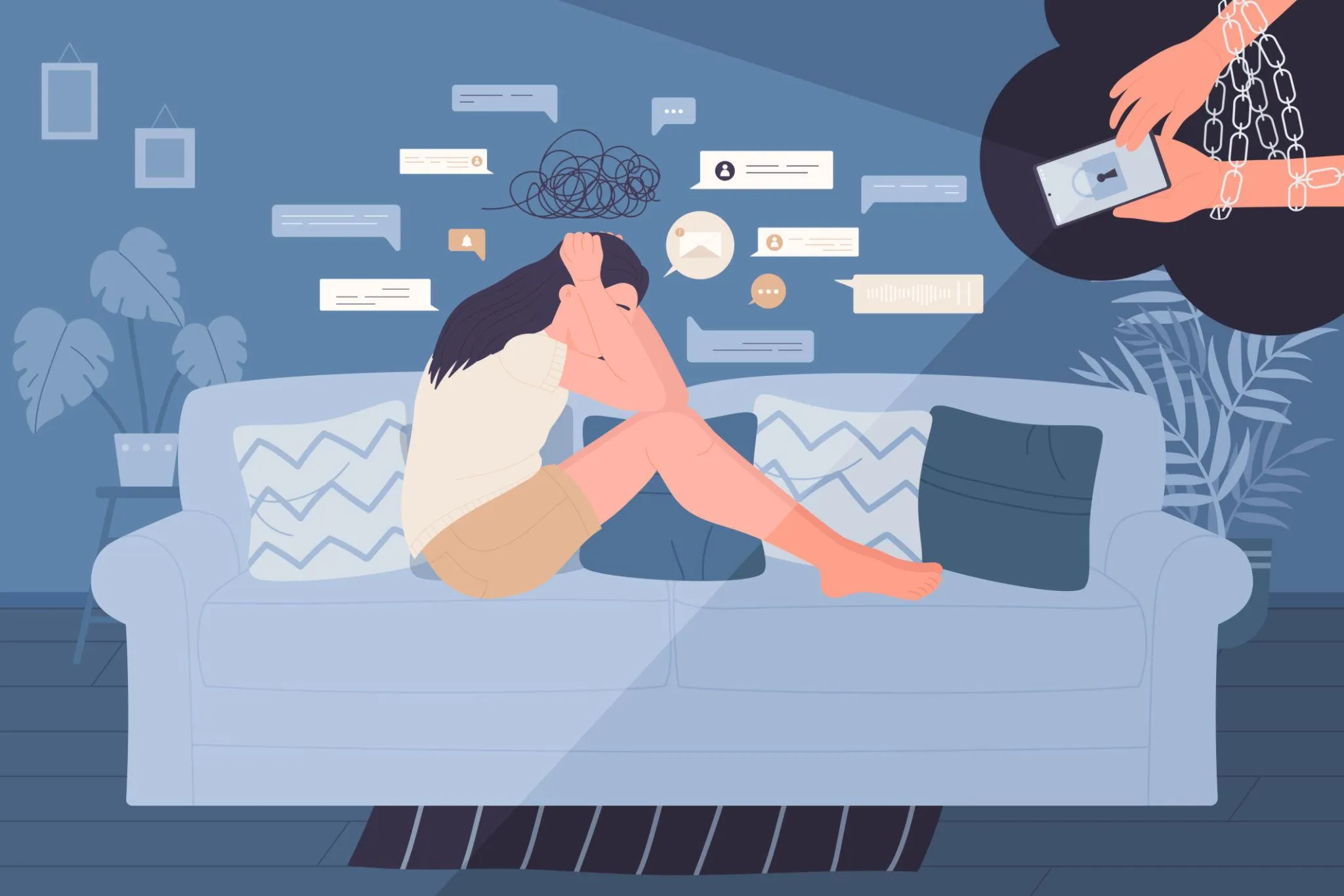
Cost of Constant Connectivity - How it Affects Mental Health
Beyond productivity, the psychological toll is profound. Continuous exposure to digital stimuli contributes to:
- Increased stress and anxiety
- Reduced emotional regulation
- Sleep disturbances
The social media impact adds another layer, often fostering comparison, validation-seeking behavior, and a constant sense of urgency.
Over time, this environment erodes mental resilience, making it harder to cope with challenges. The brain, overwhelmed by constant input, struggles to find moments of rest and recovery—essential for maintaining brain health.
Strategies to Regain Focus in a Hyperconnected World
Reclaiming focus doesn’t require abandoning technology—it requires using it intentionally. Here are practical focus strategies:
- Practice mindfulness: Spend a few minutes daily observing your thoughts without distraction
- Schedule deep work sessions: Block uninterrupted time for high-focus tasks
- Limit notifications: Turn off non-essential alerts
- Adopt a digital detox routine: Set boundaries for device usage, especially before sleep
- Use concentration techniques: Methods like the Pomodoro Technique can help structure focus
These small shifts can significantly improve concentration techniques and restore a sense of control over your attention.
The Role of Technology in Our Cognitive Abilities
Technology is not inherently harmful—it is a tool. However, its design often prioritizes engagement over well-being.
Algorithms are optimized to capture attention, not protect it. This creates a paradox: while technology enhances access to knowledge, it simultaneously undermines our ability to process it deeply.
Understanding the cognitive effects of technology allows us to use it more consciously. When used mindfully, technology can support learning, creativity, and connection without overwhelming the brain.
Case Studies: Real-Life Effects of Constant Connectivity
Consider a few common scenarios:
- The multitasking professional: Constant emails and messages reduce productivity despite long working hours
- The student: Frequent phone use during study sessions leads to poor retention and fragmented understanding
- The content creator: Continuous engagement with social platforms results in burnout and reduced creative depth
These examples highlight a shared pattern: high connectivity often leads to low-quality attention.
Future Implications: Navigating a Digitally Saturated Society
As technology continues to evolve, the challenge will not be access to information—but managing it.
The future demands a new skill: attention management. Individuals who can cultivate focus, filter distractions, and engage in deep thinking will have a significant advantage.
We may also see a cultural shift toward valuing:
- Slower, more intentional work
- Periods of disconnection
- Practices that enhance mental clarity
Ultimately, the question is not whether technology will shape our minds—it already does. The real question is whether we can shape our relationship with it.
Final Thoughts
Constant connectivity has transformed modern life, but it comes at a cost. The ability to think deeply, once taken for granted, is now under threat.
By recognizing the impact of digital distraction and adopting mindful habits, we can reclaim our focus, rebuild mental resilience, and restore the depth of thought that drives meaningful progress.
In a world that never stops, choosing to pause might be the most powerful decision you can make.
Frequently Asked Questions
What are the main effects of constant connectivity on mental health?
Constant connectivity can lead to increased stress and anxiety, reduced emotional regulation, and sleep disturbances. The pressure to stay connected often fosters comparison and validation-seeking behavior, which can erode mental resilience over time.
How does digital distraction impact productivity?
Digital distractions interrupt cognitive flow and promote task-switching, which reduces efficiency and accuracy. Research indicates that it can take several minutes to regain focus after being distracted, leading to significant productivity loss throughout the day.
What strategies can help regain focus in a hyperconnected world?
To regain focus, you can practice mindfulness, schedule deep work sessions, limit notifications, and adopt a digital detox routine. Techniques like the Pomodoro Technique can also help structure your focus and enhance productivity.
Is technology inherently harmful to our cognitive abilities?
No, technology itself is not harmful; it is a tool. However, its design often prioritizes engagement over well-being, which can undermine our ability to process information deeply if used without mindfulness.
How does constant connectivity affect attention spans?
Constant connectivity and digital distractions can shrink attention spans, as the brain becomes conditioned to seek quick bursts of stimulation rather than engaging deeply with one task. This results in information overload and fragmented thinking.
What is attention management and why is it important?
Attention management is the skill of cultivating focus and filtering distractions in a digitally saturated society. As technology evolves, those who can manage their attention effectively will have a significant advantage in learning, creativity, and productivity.
Can mindfulness really help with digital distractions?
Yes, practicing mindfulness can help you observe your thoughts without distraction and improve your ability to focus. By becoming more aware of your digital habits, you can make intentional choices that enhance your mental clarity and resilience.



























Sign in to leave a comment.