

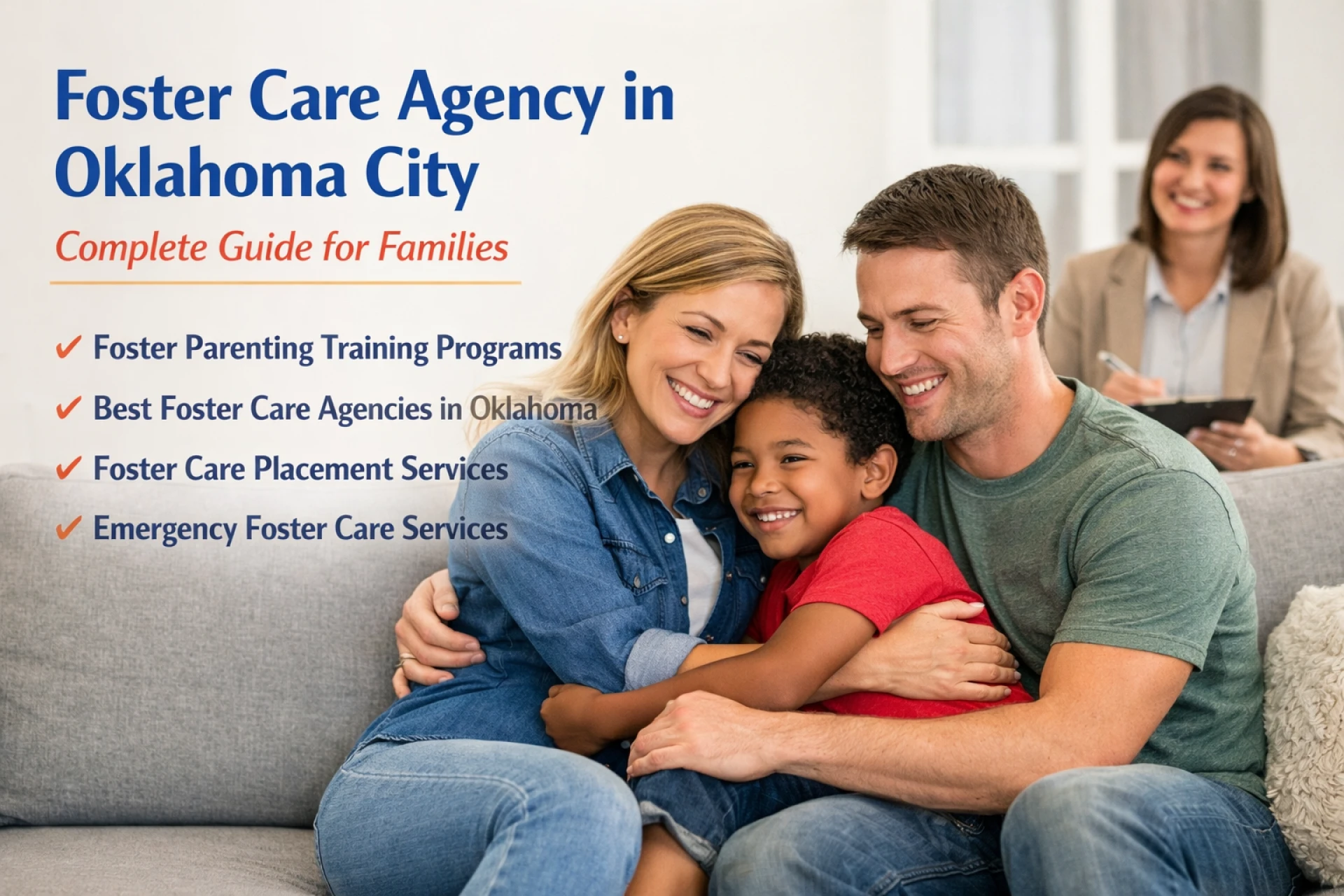
In the heart of Oklahoma, compassion and care form the foundation of every strong community. For many children who have faced trauma, neglect, or instability, a foster care agency in Oklahoma becomes more than an organization—it becomes a bridge to healing and belonging. These agencies play a transformative role in linking children in need with families ready to open their hearts and homes.
Understanding the Purpose of a Foster Care Agency
A foster care agency in Oklahoma is designed to provide safety, structure, and emotional stability for children who cannot remain with their biological families. Beyond placement, these agencies focus on nurturing the child’s mental, emotional, and physical well-being.
Through a blend of compassion, structured support, and professional guidance, foster agencies ensure that every child finds a nurturing environment where they can thrive. Their mission isn’t just to place children in homes—it’s to connect families with hope, resilience, and lasting change.
The Different Types of Foster Care
Foster care isn’t a one-size-fits-all service. Depending on the child’s needs and background, agencies coordinate several specialized care models:
- Emergency foster care – Designed for children who need immediate placement due to sudden crises or unsafe environments. Emergency foster care provides short-term stability until a long-term solution is found.
- Therapeutic foster care – Intended for children coping with emotional or behavioral challenges, therapeutic foster care offers individualized care plans supported by trained foster parents and mental health professionals.
- Traditional foster care – This model focuses on creating temporary homes where children can experience love and security while efforts toward reunification or adoption continue.
Each type of care requires a unique level of training and emotional preparedness, and that’s where foster care agencies in Oklahoma play a vital role.
Building Strong Foundations through Foster Parenting Classes
Becoming a foster parent begins with learning, reflection, and training. Foster parenting classes equip caregivers with essential tools to understand trauma, communication, and the emotional needs of foster children.
These courses, often hosted by agencies and state programs, help foster parents learn:
- How to manage behavioral challenges compassionately.
- Ways to build trust and stability in children with past trauma.
- The importance of collaboration with social workers, counselors, and educators.
- Strategies for self-care and maintaining emotional balance.
Every successful placement starts with education. Through foster parenting classes, caregivers gain the insight and confidence needed to transform lives—both the child’s and their own.
The Healing Power of Therapeutic Foster Care
Among all types of foster placements, therapeutic foster care stands out for its specialized focus on healing. It’s designed for children who have experienced severe trauma, abuse, or neglect and require emotional and psychological support.
Trained foster parents, often supported by licensed therapists and caseworkers, create structured, nurturing environments. These homes become safe havens where children can rebuild trust, process their past, and develop healthier ways of coping.
Therapeutic foster care doesn’t just aim for stability—it strives for transformation. The ultimate goal is to help each child move beyond survival toward a sense of wholeness and belonging.
The Importance of Foster Care Placement Services
Effective foster care placement services ensure that children are matched thoughtfully with families who can meet their specific needs. The placement process involves assessing both the child’s background and the foster family’s capabilities, values, and readiness.
A successful placement requires balance—finding a home that offers empathy, structure, and cultural sensitivity. Experienced agencies rely on trained professionals who evaluate compatibility and prepare both sides for the transition.
High-quality foster care placement services prioritize:
- Emotional readiness of foster families.
- Safety and stability for the child.
- Continuous monitoring and support post-placement.
The goal is not just to place a child quickly but to create sustainable, nurturing relationships that promote growth and emotional security.
When Crisis Strikes: The Urgency of Emergency Foster Care
Children enter the foster care system for various reasons, and sometimes those reasons arise suddenly. That’s where emergency foster care becomes a lifeline.
When a child is removed from an unsafe environment—often late at night or during a crisis—emergency foster families step in to provide immediate safety and reassurance. These families are trained to handle uncertainty with patience and compassion, giving children a safe space during one of the most confusing times of their lives.
A foster care agency in Oklahoma ensures that emergency placements are made with care, matching children to homes equipped to handle short-term emotional needs while long-term plans are developed.
Continuous Support: A Partnership Beyond Placement
Support doesn’t end once a child is placed in a home. The journey of fostering is one of ongoing growth and collaboration. Foster agencies provide foster parent support services such as counseling, respite care, and 24/7 assistance.
They also connect families with peer networks and community programs, allowing foster parents to share experiences, seek advice, and receive encouragement. This continuous cycle of support ensures that caregivers never feel isolated or overwhelmed.
Why Foster Agencies Matter Now More Than Ever
The number of children entering care continues to grow, but the number of available foster families has not kept pace. Agencies like foster care agencies in Oklahoma serve as crucial connectors—bringing awareness to the need, training willing families, and ensuring that every child has access to love and safety.
Their work extends beyond placement—it’s advocacy, education, and emotional healing rolled into one mission. By partnering with such agencies, families don’t just change one life; they strengthen their community.
Conclusion
A foster care agency in Oklahoma plays an indispensable role in creating pathways from uncertainty to security, from fear to hope. Through therapeutic foster care, foster parenting classes, foster care placement services, and emergency foster care, these agencies equip families with the knowledge, compassion, and resilience needed to transform lives.
Every act of fostering is an act of love—and with the right guidance and support, it becomes a story of renewal, belonging, and unbreakable human connection.





























Sign in to leave a comment.