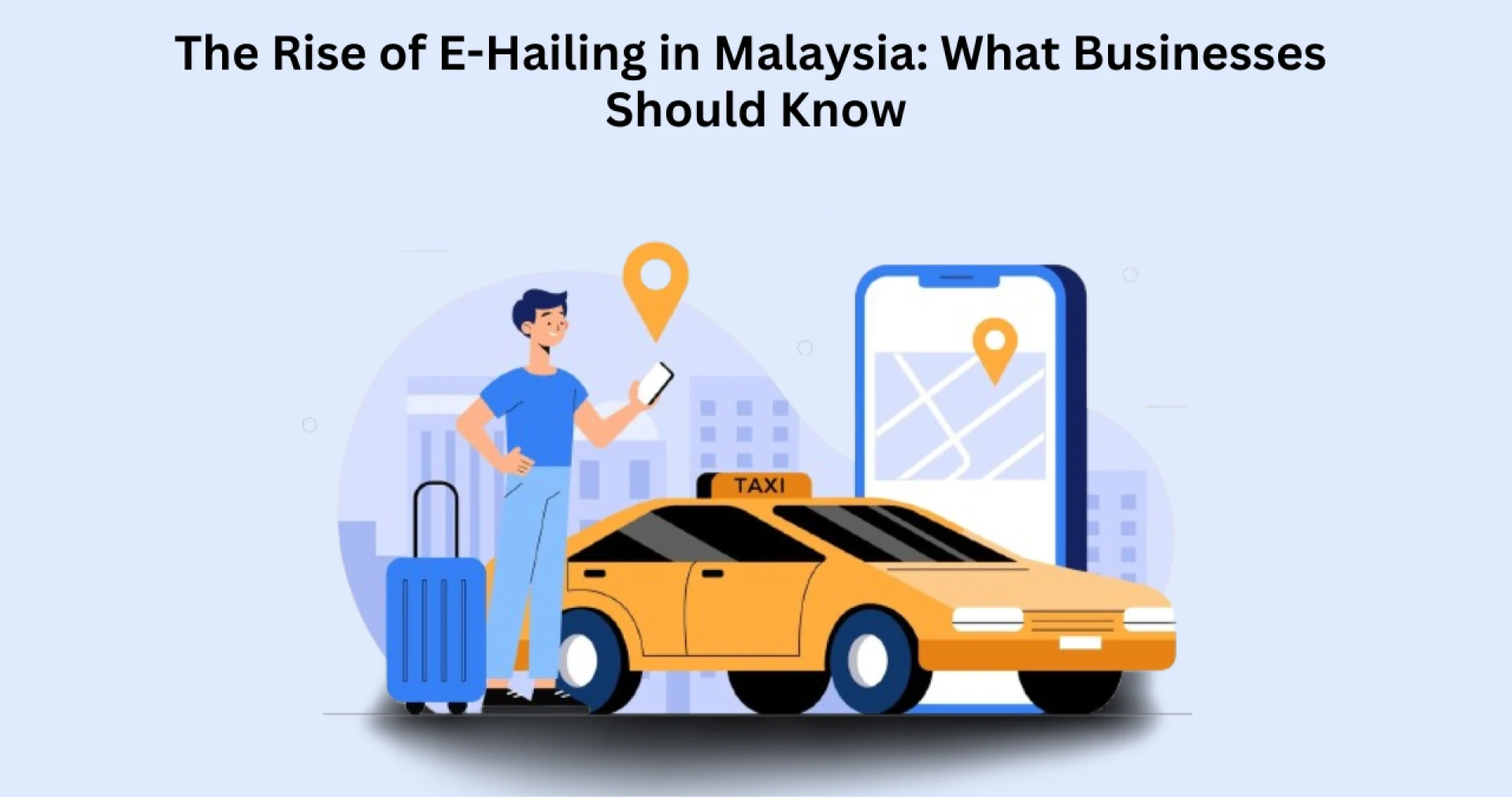

E-hailing services have transformed the transportation industry in Malaysia, offering convenience to passengers and new income opportunities for drivers. Traditional taxi services, once the primary mode of urban transportation, have faced stiff competition from digital ride-hailing platforms. With increasing smartphone penetration and the demand for affordable transport, e-hailing in Malaysia continues to grow.
For businesses, understanding the evolving e-hailing Malaysia market is crucial. Whether you're an entrepreneur looking to launch a new platform, a service provider aiming to partner with ride-hailing companies, or a business seeking to integrate transport solutions, keeping up with market trends is essential. This blog explores the rise of e-hailing Malaysia, its challenges, opportunities, and what businesses should know.
The Evolution of E-Hailing in Malaysia
Early Adoption and Growth
E-hailing Malaysia started gaining popularity in the early 2010s. At first, these platforms were met with skepticism, but their benefits quickly attracted a large customer base. The convenience of booking rides through a smartphone, cashless payments, and real-time tracking made them more appealing than traditional taxis.
As competition grew, several e-hailing companies entered the Malaysian market, offering promotions and incentives to both drivers and passengers. This rapid adoption led to the widespread use of e-hailing Malaysia, especially in urban areas like Kuala Lumpur, Penang, and Johor Bahru.
Government Regulations and Market Adjustments
As e-hailing Malaysia expanded, authorities introduced regulations to ensure fair competition and passenger safety. In 2019, the Malaysian government mandated e-hailing drivers to obtain a Public Service Vehicle (PSV) license, similar to traditional taxi drivers. Other regulations included background checks, vehicle inspections, and insurance coverage.
These measures impacted the industry, as some drivers left due to stricter requirements. However, e-hailing platforms adapted by providing training programs and assisting drivers in meeting regulatory standards.
Key Players in the Malaysian E-Hailing Market
Several companies dominate e-hailing Malaysia, offering services that cater to different market segments.

Grab – The Market Leader
Grab is the most widely used e-hailing Malaysia service, offering ride-hailing, food delivery, and financial services. Since acquiring Uber's Southeast Asia operations in 2018, Grab has strengthened its market dominance. Its loyalty programs, promotions, and diverse service offerings make it the preferred choice for many Malaysians.
AirAsia Ride – A New Competitor
AirAsia, a well-known airline, entered the e-hailing Malaysia market with AirAsia Ride. The company differentiates itself by leveraging its brand reputation and integrating ride-hailing services with its airline business, offering customers a seamless travel experience.
Maxim, inDriver, and Other Alternatives
Other platforms like Maxim and inDriver provide alternatives to Grab. inDriver, for instance, operates on a unique pricing model where passengers can negotiate fares directly with drivers, making it a cost-effective option for some users.
Business Opportunities in E-Hailing Malaysia
Developing a New E-Hailing Platform
With the continuous demand for ride-hailing services, businesses can explore launching their own e-hailing Malaysia platform. Key factors for success include offering competitive pricing, unique features, and strong driver-partner support.
A new platform should focus on:
- User-friendly mobile app – Simple registration, easy ride booking, and smooth navigation
- Fair pricing models – Transparent fare structures to attract both drivers and passengers
- Secure payment integration – Supporting multiple payment options, including e-wallets and credit cards
- Driver incentives – Attractive earnings, bonuses, and commission structures to retain drivers
Partnering with Existing Platforms
Businesses can collaborate with e-hailing Malaysia providers to enhance service offerings. For example:
- Retailers and restaurants can partner with ride-hailing companies for delivery services.
- Hotels and travel agencies can integrate ride-hailing options into their booking platforms.
- Automotive businesses can offer vehicle leasing, insurance, or maintenance services to e-hailing drivers.
Expanding Services Beyond Ride-Hailing
Many e-hailing Malaysia companies now provide more than just transportation. Businesses can explore:
- Parcel and goods delivery – Providing logistics solutions for online businesses
- Corporate ride services – Offering customized transport solutions for businesses
- Car rental and leasing services – Partnering with e-hailing companies to supply vehicles
Read More: How to Register as an inDriver Conductor: A Step-by-Step Guide
Challenges in the E-Hailing Industry
Regulatory Compliance
As mentioned earlier, e-hailing Malaysia businesses must comply with government regulations, including licensing, insurance, and taxation policies. Failure to meet these requirements can lead to penalties or business shutdowns.
Market Competition
The Malaysian e-hailing market is highly competitive, with new players constantly entering the space. Businesses need strong marketing strategies and value-driven services to stand out.
Driver and Passenger Retention
Attracting and retaining drivers is crucial for maintaining service availability. Similarly, customer loyalty programs and consistent service quality help in keeping passengers engaged.
Technological Advancements
With the rise of artificial intelligence (AI) and automation, businesses in e-hailing Malaysia must invest in advanced technologies such as route optimization, predictive analytics, and safety features to stay competitive.
Future Trends in E-Hailing Malaysia
Integration of Electric Vehicles (EVs)
Sustainability is becoming a major focus for e-hailing Malaysia companies. The adoption of EVs in ride-hailing fleets is expected to grow, reducing fuel costs and environmental impact.
AI-Driven Personalization
AI-powered features, such as dynamic pricing, predictive demand forecasting, and personalized ride recommendations, will improve customer experience and operational efficiency.
Super Apps and Service Expansion
Following Grab’s model, more e-hailing Malaysia platforms may evolve into super apps, offering food delivery, financial services, and e-commerce integration alongside ride-hailing.
Autonomous Vehicles and Smart Transportation
Although self-driving cars are still in the early stages, they could play a role in the future of e-hailing Malaysia, especially in controlled environments such as business districts or airport shuttles.
Conclusion
The e-hailing Malaysia market presents significant opportunities for businesses, from launching new ride-hailing platforms to partnering with existing services. With increasing demand, evolving regulations, and technological advancements, companies that adapt to these changes can achieve long-term success.
For businesses looking to develop a scalable and competitive e-hailing Malaysia solution, working with an on demand app development company can streamline the process and ensure a robust, feature-rich platform.

























Sign in to leave a comment.