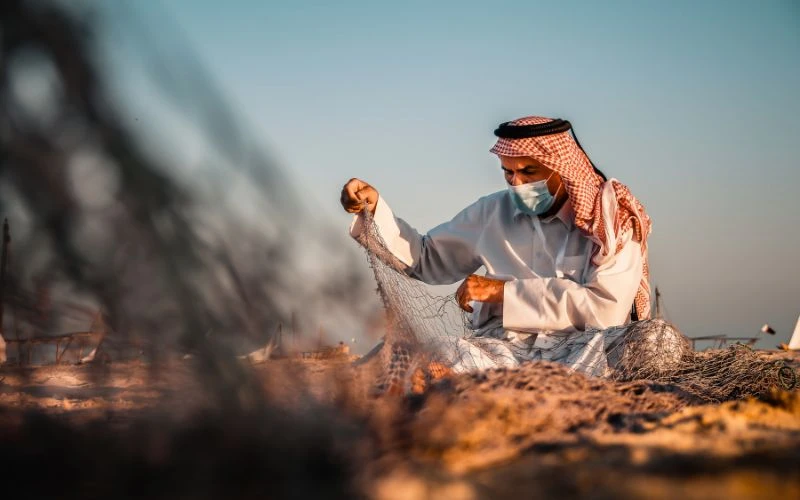

A land steeped in ancient civilizations and awe-inspiring landscapes, Saudi Arabia offers more than just vast deserts—it’s a living testament to heritage, culture, and transformation. From the rock-carved wonders of the Nabateans to the rise of Islamic empires and the nation's ongoing modern renaissance under visionary leadership, the Kingdom tells a story like no other. The ruins of Al-Hijr (Madain Saleh)—Saudi Arabia’s first UNESCO World Heritage site and home to the Ministry of Tourism’s inaugural visitors’ center—invite travelers to walk among its intricately inscribed, timeworn structures, echoing the legacy of one of Arabia’s earliest tribes. For those seeking heritage and discovery, Saudi Arabia is a dream destination.
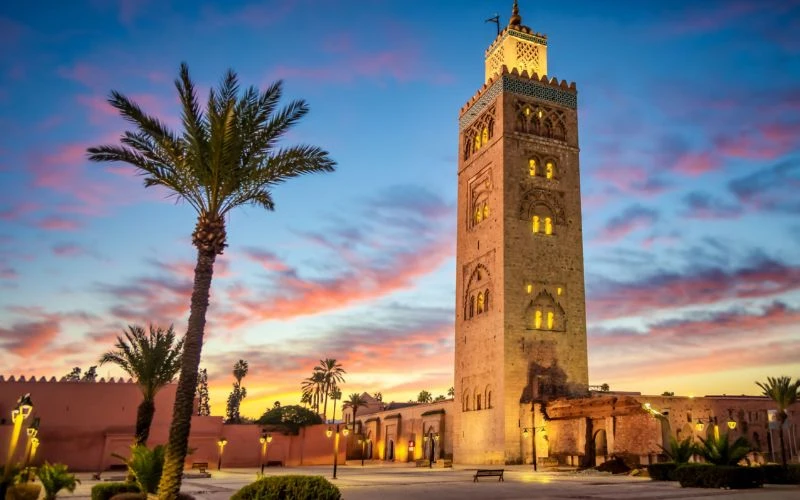
The Kingdom is today rapidly opening its doors to the world and inviting tourists to explore its majestic past and vibrant present. Now, it is easier to visit Saudi Arabia and explore its hidden gems with the availability of a Saudi Arabia Visa. You can choose to be drawn to the golden sands of the Empty Quarter or the spiritual resonance of Mecca and Medina (only open to Muslims). The Saudi Arabia travel visa has made it easy for international visitors to plan amazing trips by providing a number of Saudi Arabia Tour Packages. Such curated experiences provide tourists with comfort and authenticity during seamless travel across the Kingdom, from historic sites to modern cities.
Here is The Rich History of Saudi Arabia: From the Nabateans to Modern Times.
1. Introduction to Saudi Arabia's Historic Landscape
Saudi Arabia is situated at the heart of the Arabian Peninsula and has a long and varied history that dates back thousands of years. As the region’s history has been vibrant and has dramatically shaped the present, the history goes back to ancient tribes and trading empires, to the rise of Islam and the creation of a modern nation state. This article takes a look at the major historical phases that have brought Saudi Arabia to the modern kingdom we know today, from Nabateans to the present.
2. The Nabatean Civilization and Early Trade Routes
Before the birth of Islam, Saudi Arabia was home to ancient civilizations such as the Nabateans from the 4th century BCE up to 106 AD. These people had also set up the key trade routes and cities of the world including famous Madain Saleh (Al-Hijr) site, listed as a UNESCO World Heritage Site at present. The Nabateans were great traders who linked Arabia with the Roman Empire, Mesopotamia and India. It was admired for their architecture, and for their water management systems.
3. The Rise of Islam in the 7th Century
In the 7th century CE, Islam came to be one of the most pivotal moments in Saudi history. Born in Mecca in 570 CE, Prophet Muhammad would receive revelations that would result in the creation of the religion of Islam. The spiritual center of a rapidly growing religious movement grew as Mecca and Medina became two of the holiest cities in Islam. The Arabian Peninsula was unified under the banner of Islam and its teachings spread across the world.
4. Caliphates and Islamic Expansion
Although leadership of the Muslim world fell under the Rashidun Caliphs and later under the Umayyad and Abbasid Caliphates after the death of the Prophet Muhammad in 632 CE, it was not till the 12th century CE that Muslim leaders were first recognized as caliphs. With Damascus and Baghdad claiming the political dominance, the Arabian Peninsula remained vital as the religious heart of Islam. However, Mecca and Medina remained important cities for pilgrims and scholars in Islamic civilization.
5. The Ottoman Era and Regional Governance
The Ottoman Empire took control of much of the Arabian Peninsula, including Hijaz region, from the 16th century. The administration of the Islamic holy cities was in the hands of the Ottomans, and they kept them relatively peaceful, but the interior was under the control of local tribes. The Ottoman presence was stronger in the west, but there were many more autonomous parts of central and eastern Arabia, which were contested by a range of tribal leaders.
6. The Rise of the House of Saud and the First Saudi State
In the 18th century, a powerful alliance was formed between a local ruler Muhammad ibn Saud and a religious reformer Muhammad ibn Abd al-Wahhab. The alliance resulted in the establishment of the First Saudi State in 1744 upon a strict interpretation of Islam, called Wahhabism. Although this state was eventually crushed by Ottoman forces, it was to lay the foundations for future Saudi rule. In the early 19th century, there was a second short-lived Saudi state.
7. Unification and the Birth of Modern Saudi Arabia
Abdulaziz Ibn Saud started a campaign in the early 20th century to bring together all of the tribal regions under his control. He gradually expanded his control over the Arabian Peninsula after capturing Riyadh in 1902. The Kingdom of Saudi Arabia was declared officially in 1932. Ibn Saud’s unification was a combination of Islamic governance and traditional tribal values, thus creating a new national identity.
8. Oil Discovery and Economic Transformation
The discovery of oil in Dhahran in 1938 was a major turning point. It turned Saudi into a global energy powerhouse and transformed the Saudi economy. Oil exports revenue financed infrastructure development, education, healthcare and modernization. Then, Saudi Arabia became a player of power in the world order, utilizing its energy resources and its religious weight.
9. Modernization and Vision 2030
Today, Saudi Arabia is entering a new chapter in its transformation with its Vision 2030 to diversify the economy, reduce oil dependence and modernize the society. The kingdom’s vision is led by Crown Prince Mohammed bin Salman and focuses on tourism, technology and cultural openness, but keeps in mind the kingdom’s Islamic heritage and historical legacy.
10. A Legacy of Resilience and Faith
The journey of Saudi Arabia is a story of resilience, faith and history mixed in with the spirit of the ancient trade routes, desert tribes, and bustling cities of Riyadh and Jeddah. The kingdom has yet to grow too far on the global stage, however, and it is still rooted in its history, which started with the Nabateans and continues with its cultural, religious and political identity.
Read more:
Albania Tour Packages | Andaman and Nicobar Tour Packages | Argentina Tour Packages | Armenia Tour Packages| Australia Tour Packages | Austria Tour Packages | Azerbaijan Tour Packages | Bali Tour Packages | Bangkok Tour Packages| Bosnia and Herzegovina Tour Packages | Brazil Tour Packages | Cambodia Tour Packages| Canada Tour Packages | China Tour Packages | Croatia Tour Packages | Darjeeling Tour Packages | Egypt Tour Packages | Ethiopia Tour Packages | Europe Tour Packages | Finland Tour Packages
Conclusion:
Saudi Arabia is a country in beautiful transition, one of the first to embrace modernization while still retaining its historical roots and it offers a unique opportunity to travelers to see a country in transition. Destinations such as Riyadh, Jeddah, AlUla and others are the places where you can notice the marriage between ancient history and contemporary innovation — where old and new live together — such as by historic landmark meeting skyscrapers, and traditional markets with cutting edge museums. Travelers are given an immersive experience that rarely can be found in any other destination. It is no longer a challenge to explore this vibrant nation with the government initiatives to promote tourism through the streamlined Saudi Arabia Visa processing and the ease of the Saudi Arabia Tour Packages.
If you are looking for a truly enriching travel experience in Saudi Arabia, then Saudi Arabia holiday Packages are the blend of historical exploration and modern comfort which you can afford. The Kingdom is transforming the face of tourism in the Middle East from the arch of vast deserts to bustling cosmopolitan cities. Now that tourists from many countries can obtain a Saudi Arabia travel visa, it is a perfect time to embark on a journey through this fascinating land. If you are a history fan, a traveling enthusiast, or a cultural lover, Saudi Arabia is welcoming you to its timeless tale and watch it all unfold day by day.











Sign in to leave a comment.