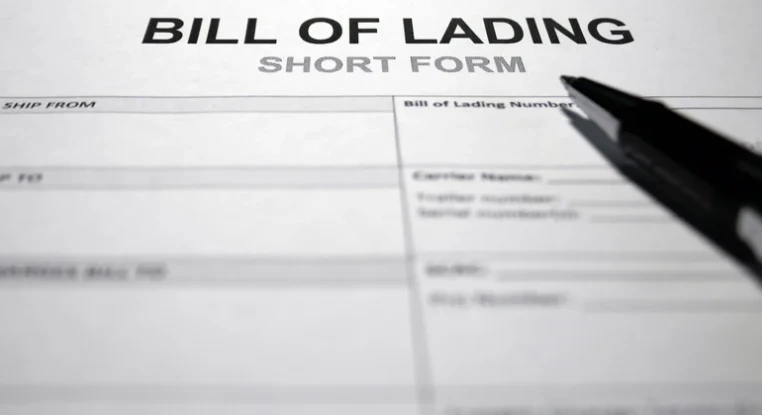

Understanding the Car BOL: The Backbone of Vehicle Shipping
If you’ve ever shipped a vehicle, you may have encountered the term “car BOL” or Bill of Lading. While it might seem like just another piece of paperwork, this document plays a vital role in ensuring a smooth, secure, and legally compliant car shipping process.
What is a Car BOL?
A car BOL or Bill of Lading is a legal document issued by an auto transport carrier that details the condition of the vehicle, the terms of transport, and serves as a receipt of shipment.
It acts as an agreement between the shipper (you) and the carrier, ensuring both parties are aware of the vehicle’s condition before and after transport. This document is crucial in case of disputes regarding damages or delivery details.
The BOL is not just a routine formality—it plays a critical role in the entire shipping process. Without it, there would be no documented proof of the transaction, which could lead to legal complications, insurance issues, and potential financial losses. This is why understanding the nuances of a car BOL is essential for anyone shipping a vehicle, whether it's a personal car, a classic collector's item, or an entire fleet of vehicles.
Why is a Car BOL Important?
A car BOL is more than just a formality—it provides multiple benefits:
1. Proof of Vehicle Condition
Before loading your car onto a carrier, the transport company will inspect it and note any existing scratches, dents, or damages on the BOL. Upon delivery, another inspection is performed. This ensures that any new damage during transit can be accounted for, preventing disputes.
Having a thorough inspection report attached to the BOL prevents confusion between the shipper and the carrier. In case any new damage is found upon delivery, the recipient can refer to the BOL and compare the condition report. This minimizes the chances of fraudulent claims and ensures fairness in the shipping process.
2. Legal Protection
The BOL serves as a legal agreement that outlines the responsibilities of the transporter. If there’s any discrepancy regarding the vehicle’s condition or transport terms, the BOL acts as a primary reference document in resolving issues.
In case of a dispute, courts and arbitration panels often rely on the BOL as a primary piece of evidence. Since it contains the signatures of both parties, it acts as a binding contract that holds weight in legal proceedings. This is why reviewing the document before signing is crucial.
3. Acts as a Receipt of Shipment
Since the BOL is issued at pickup and signed upon delivery, it serves as official proof that the vehicle was handed over to the carrier and received by the recipient. This helps both parties keep track of the shipment and ensures that the vehicle reaches its intended destination safely.
If a dispute arises regarding delivery status, the signed BOL serves as proof of receipt. This is particularly important in cases where multiple parties are involved in the shipping process, such as auto dealerships, car auctions, or third-party logistics providers.
4. Essential for Insurance Claims
Should any damage occur during transit, insurance providers require a copy of the BOL to process claims. Without it, proving damage occurred during transport becomes difficult.
In many cases, insurers will not approve claims unless the BOL clearly documents pre-existing damage versus new damage. If you don’t have an accurate BOL, you could end up paying out of pocket for repairs that should have been covered by the carrier’s insurance.
5. Helps in Vehicle Tracking and Accountability
While most modern auto transport companies offer tracking systems, the BOL still plays a role in ensuring accountability. The document records crucial timestamps—when the vehicle was picked up, where it was last seen, and when it was delivered.
This can be particularly helpful for individuals shipping high-value vehicles, as it adds an extra layer of security and transparency in case something goes wrong during transit.
Elements of a Car BOL
A standard car BOL includes the following critical details:
- Shipper and Carrier Information: Contact details of the vehicle owner and transport company.
- Pickup and Delivery Locations: The origin and destination of the vehicle.
- Vehicle Details: Make, model, year, and VIN (Vehicle Identification Number).
- Condition Report: A detailed inspection of the car’s state before transport.
- Odometer Reading: Recorded at both pickup and delivery to ensure no unauthorized mileage was added.
- Terms & Conditions: Any specific agreements between the shipper and carrier.
- Signatures: Required from both the shipper and carrier at pickup and delivery.
What Happens If You Lose the Car BOL?
Misplacing the BOL can lead to complications. Without this document, proving the original condition of the vehicle or making insurance claims becomes challenging. It’s recommended to:
- Keep both a physical and digital copy of the BOL.
- Request a duplicate from the carrier if lost.
In situations where you don’t have access to the original BOL, having photos of the document can serve as a temporary reference. Many transport companies also keep copies on file, so reaching out to them as soon as possible can help resolve the issue.
Statistics Highlighting the Importance of the Car BOL
- Over 90% of auto transport disputes involve vehicle condition discrepancies, making the BOL a crucial document for resolution.
- Approximately 5-10% of vehicles shipped sustain minor damages, emphasizing the need for an accurate condition report.
- Insurance companies require a BOL for 100% of damage claims in auto transport cases.
- Car transport carriers move around 17 million vehicles in the U.S. annually, making standardized documentation like the BOL essential for smooth operations.
Never Overlook the Car BOL
A car BOL is a fundamental document in the car shipping process. It ensures your vehicle is transported securely, legally, and with documented proof of condition.
By carefully reviewing and safeguarding this document, you can protect yourself from disputes, financial loss, and unnecessary stress. Whether you are shipping a car across the country or just a few states away, always prioritize the importance of the BOL.
Next time you ship a vehicle, make sure to treat the car BOL with the attention it deserves—it could save you time, money, and hassle in the long run!
Having a strong grasp of the car BOL process not only protects your investment but also provides peace of mind. So, whether you're a car enthusiast, an auto dealer, or simply someone moving to a new location, understanding and using the car BOL effectively is a key step toward a seamless car shipping experience.











Sign in to leave a comment.