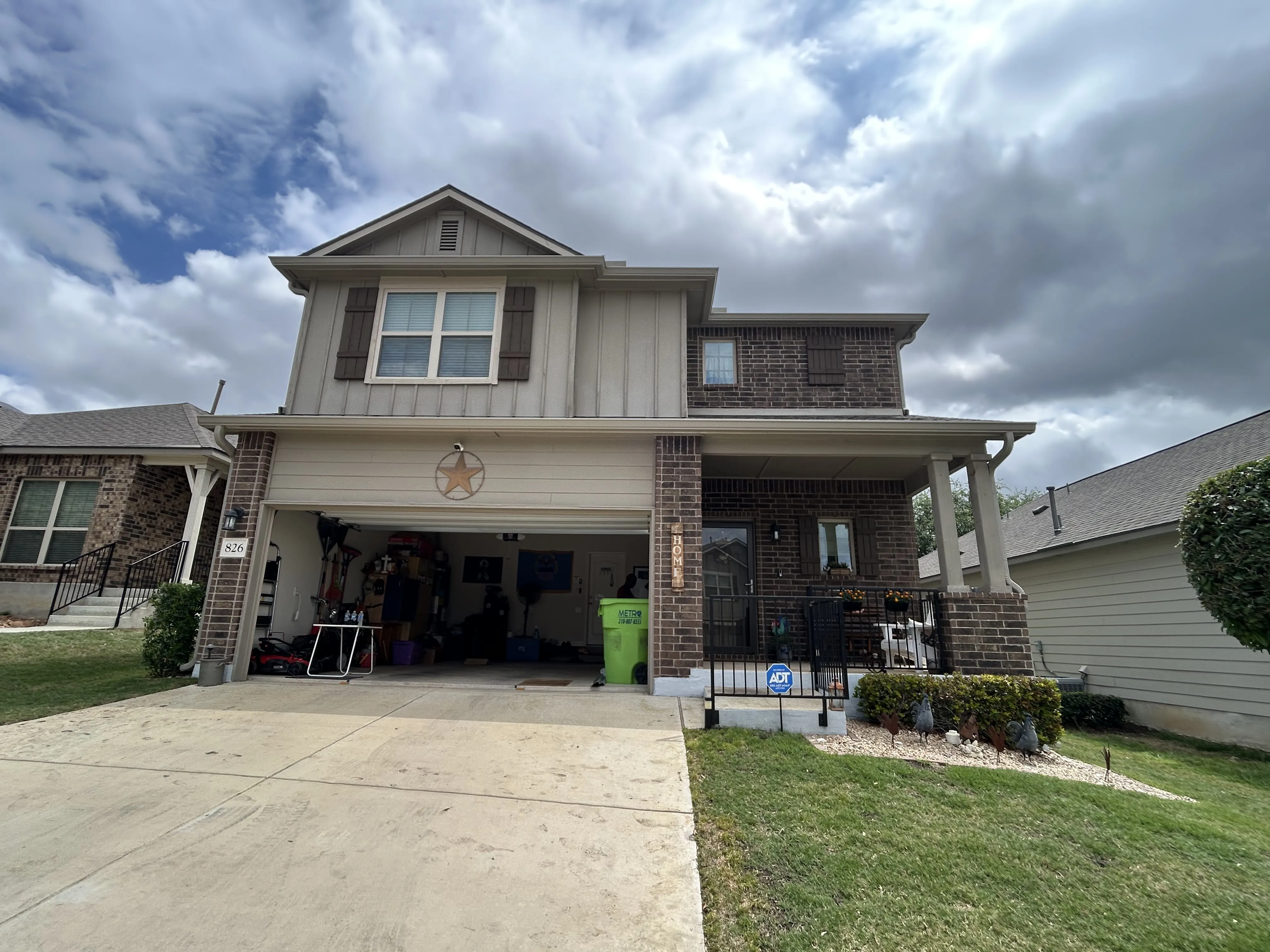

Cibolo is a community that prides itself on well-maintained homes and beautiful neighborhoods. As a homeowner here, you know that maintaining that standard requires staying ahead of the local climate. One of the most overlooked yet vital components of home maintenance is the drainage system. When it comes time for gutter installation in Cibolo, understanding the process and the specific needs of our region can help you make an informed decision that protects your property for the long haul.
Assessing the Need for a New System
Before jumping into a project, it is helpful to recognize the signs that your current system is failing. Many homes in our area were built with standard sectional gutters that, over time, begin to pull away from the fascia or develop chronic leaks at the seams.
If you notice "tiger striping" (vertical dark streaks) on the outside of your gutters, it usually means water is consistently overflowing. Similarly, if you see daylight through the joints or notice that the ground directly beneath the roofline is eroding, your gutters are no longer doing their job. A fresh installation replaces these compromised components with a modern, high-capacity system designed to handle the sudden, intense thunderstorms common to South Central Texas.
Key Considerations for Local Gutter Projects
Every region has its own environmental challenges, and Cibolo is no different. From the shifting clay soils to the intense summer sun, your gutter system needs to be built to endure.
Proper Sizing for Heavy Rainfall
In many parts of the country, five-inch gutters are the standard. However, in Texas, we often recommend six-inch "K-style" gutters. The extra inch might seem small, but it significantly increases the volume of water the system can carry. During a typical Texas downpour, a smaller gutter can quickly become overwhelmed, leading to water backing up under your shingles or cascading over the side. A larger system provides the capacity needed to move massive amounts of water safely away from your home in a short amount of time.
Strategic Downspout Placement
The gutters are only half of the equation; the downspouts do the heavy lifting of moving water to the ground. For effective gutter installation in Cibolo, downspout placement must be strategic. They should be located where they can discharge water at least three to five feet away from the foundation. In areas with tight lot lines or specific landscaping, professional installers may suggest underground drainage extensions to ensure the water doesn't just pool in your neighbor's yard or back onto your own walkways.
Material Durability and UV Resistance
The Texas sun is relentless. Constant UV exposure can cause plastic or vinyl gutters to become brittle and crack within just a few years. For this reason, metal options—specifically aluminum and steel—are the preferred choice for our climate. These materials expand and contract without losing their structural integrity, and modern baked-on enamel finishes ensure the color won't fade or peel, keeping your home looking sharp year after year.
The Step-by-Step Installation Process
Understanding what happens on the day of installation can help you prepare and ensure the job meets your expectations.
1. Site Evaluation and Measurement
A professional team begins by measuring every run of your roofline. They don't just look at length; they also inspect the fascia boards—the wooden boards the gutters attach to—for any signs of rot. If the wood is soft, it must be replaced before the new gutters are hung to ensure a secure fit.
2. On-Site Custom Fabrication
If you have opted for seamless gutters, the team will bring a specialized "gutter machine" to your property. They feed a coil of flat metal into the machine, which extrudes a perfectly shaped gutter to the exact length of your home’s walls. This eliminates unnecessary joints and ensures a perfect fit that pre-cut sections simply cannot match.
3. Precision Hanging and Pitching
This is the most technical part of the project. The gutters must be hung with a slight "pitch" or slope toward the downspouts. Generally, this is about a half-inch of drop for every ten feet of gutter. Installers use levels and string lines to ensure the slope is functional while remaining virtually invisible to the naked eye. They use heavy-duty internal hangers spaced every 24 to 30 inches to provide maximum support against wind and water weight.
4. Sealing and Component Integration
While the long runs are seamless, the corners (miters) and downspout outlets still require joining. Professionals use high-grade, UV-resistant sealants specifically designed for gutter work. Unlike standard caulk, these sealants remain flexible, allowing the metal to move during temperature swings without breaking the waterproof bond.
Protecting Your Investment with Gutter Guards
Many homeowners choose to include gutter guards as part of their installation. In an area like Cibolo, where we have plenty of mature trees, guards are a highly practical addition.
Reducing Maintenance
Gutter guards act as a filter, allowing water through while keeping out leaves, twigs, and bird nests. This doesn't mean you'll never have to look at your gutters again, but it does mean you won't have to climb a ladder several times a year to scoop out decaying organic matter.
Preventing Pest Infestations
Standing water in a clogged gutter is a primary breeding ground for mosquitoes, which are a common concern in our region. Furthermore, clogged gutters can provide a pathway for rodents and insects to enter your attic space. By keeping the gutters clear and dry between rains, guards help discourage these unwanted visitors from setting up shop around your roofline.
The Long-Term Value of Quality Workmanship
A gutter system is one of those home features that you shouldn't have to think about once it's installed. When the job is done right, it works silently in the background, protecting your most valuable asset from water damage.
Investing in professional gutter installation in Cibolo means you are choosing quality materials and expert geometry. It’s about more than just hanging metal on a house; it’s about engineering a water management system that respects the local environment and the specific architecture of your home. From the first measurement to the final sealant application, every step is designed to give you peace of mind during the next big Texas storm.

























Sign in to leave a comment.