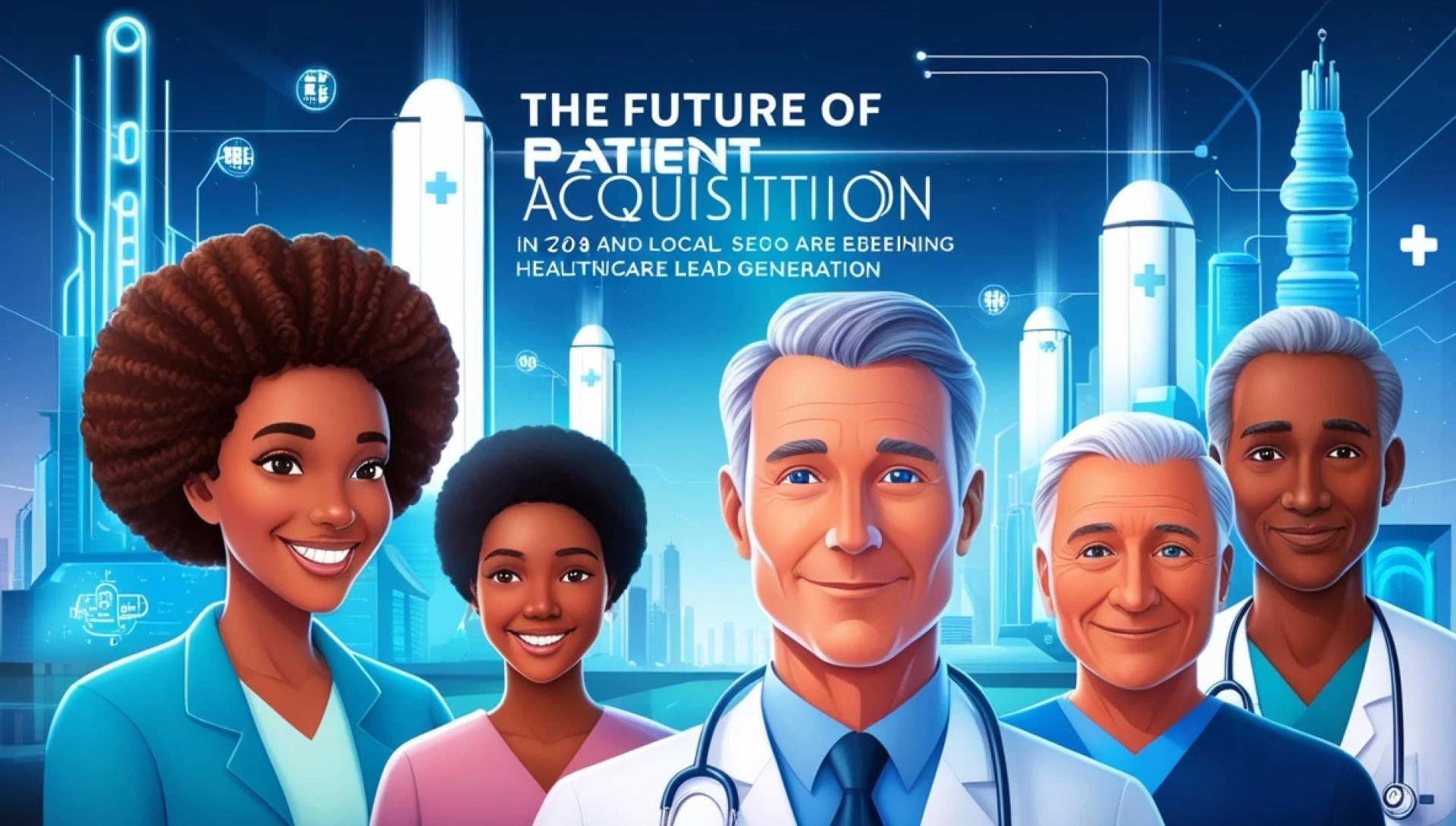

The healthcare business is increasingly moving toward digital-first interactions. By 2026, the pressure will be on healthcare facilities, from clinics and hospitals to private practices, to attract more people. These patients now have more mobility, moving between websites, looking at online reviews, and searching on their phones. AI, local SEO, and healthcare lead generation services are turn decisive in this shift. They've fundamentally changed how healthcare providers get noticed, convert potential patients into actual appointments, and keep their practices busy.
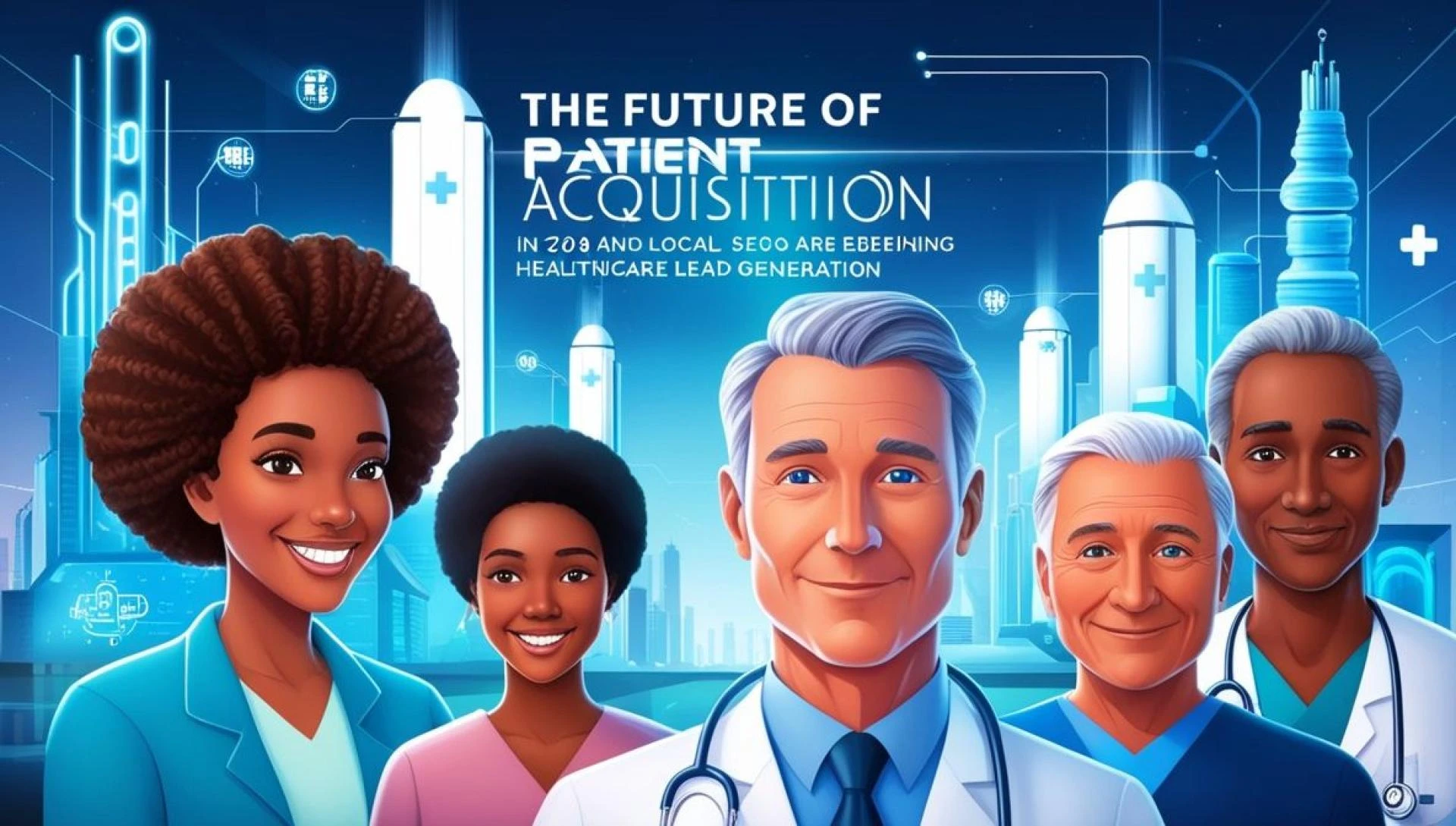
This article examines how these technologies are changing the game when it comes to attracting patients, the problems they're designed to address, and the actionable strategies healthcare organizations can use to remain competitive.
Why Patient Acquisition Is Changing So Rapidly
Several trends push healthcare organizations to rethink how they bring in new patients:
- More patients start their search online before calling a clinic.
- Mobile queries for “near me” medical services keep rising each year.
- Younger patients rely on search engines rather than referrals.
- Competition among local providers increases, especially in urgent care, dental, dermatology, and primary care.
- Appointment speed and convenience strongly influence choice.
The market no longer favors providers who depend only on word-of-mouth or static websites. Patients want fast answers, simple booking paths, and clear proof of quality.
AI and local SEO address these demands directly, reshaping how healthcare teams reach and convert potential patients.
AI’s Expanding Role in Patient Acquisition
AI now sits inside almost every part of the digital patient journey. By 2026, it no longer plays a supporting role; instead, it guides traffic patterns, serves information, and predicts patient behavior.
1. AI Chat Systems That Handle First Contact
AI chat systems can now:
- Answer common questions about services or appointment types.
- Provide estimated wait times.
- Offer directions and hours.
- Assist with insurance queries.
- Route more complex questions to human staff.
Patients receive instant responses, which reduces drop-off rates.
2. Intelligent Appointment Routing
AI tools can assign new patients to:
- The right provider based on symptoms.
- Locations with shorter queues.
- Appointment slots that reduce gaps in schedules.
This cuts operational waste while giving patients faster access to care.
3. Predictive Lead Scoring
Many healthcare teams struggle to identify which patients will book, cancel, or delay visits. AI systems now review past interactions to flag:
- High-intent visitors.
- Prospects likely to compare multiple providers.
- Patients who may need reminders or follow-ups.
This allows marketing teams to direct their energy toward prospects who show genuine interest.
4. Content Creation for Local Search
AI systems assist marketing teams by generating:
- Local FAQs.
- Condition-specific explanations.
- Service descriptions.
- Short summaries for Google Business Profiles.
While human staff still review and adjust this content, AI reduces the time needed to publish location-based updates that support search visibility.
5. Voice Search Adaptation
With more patients using mobile assistants to find care, AI tools can:
- Detect common spoken queries.
- Help shape content that mirrors patient speech patterns.
- Provide data on which voice queries result in bookings.
This prepares healthcare sites for the next wave of mobile search behavior.
Local SEO’s Growing Influence in Healthcare Decisions
Local SEO now functions as a major driver of patient acquisition. It connects medical providers with people looking for care in specific geographic areas and filters users by intent crucial for clinics that thrive on local foot traffic.
1. Google Business Profiles as the New Front Door
A modern patient often views a clinic’s Google Business Profile before visiting the website.
Key elements now influence patient choices:
- Recent reviews
- Appointment links
- Photos and videos
- Medical categories and service lists
- Location accuracy
- Office hours and holiday schedules
Providers with updated profiles appear more trustworthy and approachable.
2. Local Search Content That Reflects Real Community Needs
Search engines now prioritize content aligned with community concerns. In 2026, high-performing healthcare content often includes:
- Treatment options for local seasonal illnesses.
- Information about flu seasons or allergy waves in the region.
- Updates about insurance changes affecting the area.
- Tips tailored to local climate patterns.
This helps search engines recognize a provider as relevant to the community.
3. Review Signals Driving Patient Decisions
Patients treat reviews as a major indicator of care quality. Local SEO tools now monitor:
- Average star ratings
- Response speed from the clinic
- Keyword patterns in reviews
- Sentiment trends over time
Responding to reviews positive or negative shows engagement and responsibility, both of which influence patient trust.
4. Local Backlinks and Community Signals
Healthcare providers gain traction in local search when they appear connected to the community. This includes:
- Partnerships with local sports teams
- Sponsorship of charity events
- Articles from local newspapers
- Mentions on regional health directories
Search engines see these connections as proof of local authority.
How AI and Local SEO Work Together
The true transformation happens when both systems support each other. AI speeds up content production, data analysis, and user interaction; local SEO ensures that this activity impacts search rankings and visibility.
Synergy Between the Two
AI FunctionBenefit to Local SEOPredictive behavior analysisIdentifies which search terms drive real patient actionsAutomated content draftsProduces local pages fasterIntelligent chat toolsIncreases user engagement signalsData-driven insightsGuides content that matches local search patternsVoice query analysisPrepares content for emerging search behaviors
This connection allows healthcare providers to grow in competitive markets without relying on outdated tactics.
Challenges Healthcare Providers Face in 2026
Even with strong tools, healthcare teams face several obstacles.
1. Rising Competition Across Urban Areas
More clinics expand into telehealth, urgent care, and specialty services. This forces providers to adopt strategies that help them stand out in crowded markets.
2. Privacy Barriers
AI systems must operate without risking patient privacy. Clinics must follow strict data rules, especially when handling medical queries or early symptoms.
3. Rapid Algorithm Updates
Search engines shift ranking factors often. Providers who do not update content, reviews, and local signals fall behind.
4. Limited Staff Bandwidth
Many clinics run short-staffed, leaving little time to manage profiles, reviews, or content efforts. AI tools help ease the load but require proper oversight.
Also Read:- How to get more patients for private practice
What Healthcare Providers Can Do Now to Compete in 2026
Below are practical steps clinics and hospitals can take to stay competitive.
Strengthen Local Presence
- Keep all business information accurate across directories.
- Post regular updates about services, events, or health alerts.
- Add photos of facilities, staff, and equipment.
- Maintain consistent NAP (name, address, phone).
Use AI as a Support Tool
- Allow AI to draft basic content, then refine it manually.
- Use chat tools to capture leads after hours.
- Allow predictive tools to flag high-value prospects.
Improve Patient Review Management
- Request reviews after appointments.
- Respond within 48 hours.
- Address concerns politely without revealing medical details.
- Highlight positive patterns internally.
Publish Locally Relevant Content
- Seasonal health messages
- Local treatment trends
- Insurance updates tied to the region
- Service availability based on location
Prepare for Voice Search Growth
- Add short Q&A sections to service pages.
- Use natural language in headings.
- Include terms that match how patients speak.
Monitor Data Monthly
- Track local rankings.
- Compare booking trends.
- Identify pages that attract the most visits.
- Measure chat interactions and conversion rates.
Small, consistent actions help clinics stay visible, credible, and competitive.
The Patient Journey in 2026: A Quick Breakdown
Step 1: A patient feels a symptom
They search online using mobile or voice queries like “urgent care near me” or “dentist open now.”
Step 2: Search engines show local providers
Google Business Profiles appear with photos, reviews, and appointment links.
Step 3: AI chat engages the user
The patient asks about insurance, wait times, or services. The system replies instantly.
Step 4: Appointment scheduling
AI suggests the best time slot and provider. The patient books with minimal friction.
Step 5: Review follow-up
After the visit, the clinic requests feedback, strengthening local SEO signals.
This cycle repeats, feeding more traffic and credibility into the provider’s digital presence.
What Patient Acquisition May Look Like Beyond 2026
Future developments may include:
- AI systems that predict community outbreaks by analyzing search data.
- Hyper-local targeting that adapts content to micro-regions or neighborhoods.
- More advanced call-routing systems that match patients to specialists instantly.
- Real-time availability displays across multiple locations.
- AI health summaries based on patient questions (while respecting privacy laws).
These shifts will continue to shape patient expectations and the strategies clinics use to stay competitive.
Conclusion
AI and local SEO now influence nearly every step of the patient’s digital journey. By 2026, they no longer act as separate tools but function as a unified system that attracts patients, answers questions, and drives them toward booking. Healthcare providers who adapt to these changes gain steady, reliable patient flow and stronger community presence.
Digital competition will keep rising. But clinics that maintain accurate local profiles, publish relevant content, use AI for support, and track patient behavior month-by-month can build sustainable growth in an increasingly fast-moving healthcare environment.
FAQs
1. Why is local SEO essential for healthcare in 2026?
Local SEO connects providers with patients in their immediate area, which is critical because most patients search for nearby services before booking.
2. How does AI help clinics attract more patients?
AI speeds up communication, identifies high-intent prospects, assists with scheduling, and provides insights into search behavior, improving overall conversion.
3. Do AI chat systems replace human staff?
No. They handle repetitive questions, but complex issues still require human attention.
4. Is it hard for small clinics to adopt these strategies?
Not necessarily. Many tools scale easily, allowing small teams to manage content, reviews, and scheduling without heavy workloads.
5. Will voice search matter more in the next few years?
Yes. As more patients use mobile assistants, clinics need content that matches natural, spoken queries.





























Sign in to leave a comment.