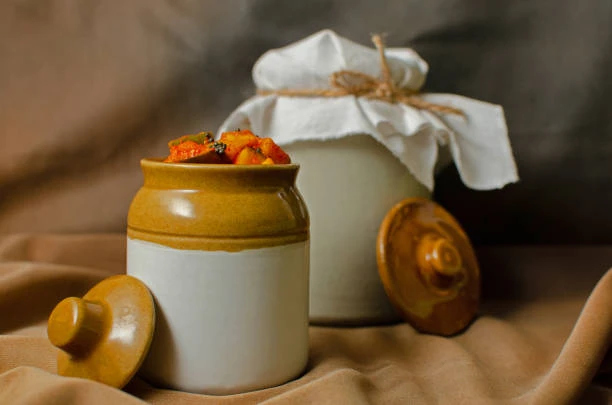

Food is preserved through the process of pickling in an acidic solution. The acidity inhibits the growth of bacteria, which would otherwise cause the food to spoil. Pickling has been used for centuries to extend the shelf life of food.
Pickling is a food preservation technique that has been used for centuries by the pickle suppliers in India. However, the art of pickling has evolved, and today there are many different types of pickled foods. In this blog post, we will take a look at the history of pickling and how the art of pickling has evolved.
Early pickling methods involved submerging the food in vinegar or brine (a saltwater solution). These days, modern picklers use various acids to pickle their foods, including citrus juice, wine vinegar, and even apple cider vinegar.
Interestingly, the word "pickle" is derived from the Dutch word "pekel," which means "brine." So, when you see a jar of pickles at the store, you can be sure that the pickles inside were preserved in an acidic solution.
There are two main types of pickling: wet and dry. Wet pickling involves submerging the food in an acidic solution, while dry pickling entails rubbing the food with an acidic powder.
The most common type of pickled food is cucumber. But did you know that you can pickle just about any fruit or vegetable? And the flavor of pickled foods can range from sweet to sour to spicy.
If you're interested in trying your hand at pickling, there are a few things you'll need to know:
You'll need to choose the right type of acid.You'll need to sterilize your jars and tools.You'll need patience; pickled foods need time to "cure" before they're ready to eat.Here's a look at the evolution of pickled foods:
From cucumbers to garlic to watermelon rind, it seems like there's nothing that can't be pickled these days. But how did this age-old preservation technique become so popular? Let's look at the evolution of pickled foods and how they've become such a staple in kitchens worldwide.
• Early Pickling Methods:
Pickling has been around for centuries. The earliest known pickled foods date back to 2030 BC when the ancient Egyptians preserved vegetables in vinegar and brine.
The early pickling methods were quite basic. Food was simply submerged in vinegar or brine and left to sit. There was no real science to it.
As time passed, people began experimenting with different acids and spices to create more flavorful pickled foods.
• Modern Pickling Methods:
These days, pickling is more of an art than a science. Modern picklers use a variety of acids to pickle their foods, including citrus juice, wine vinegar, and even apple cider vinegar.
And they're not afraid to experiment with different spices and flavorings. As a result, there are now an endless variety of pickled foods available, from sweet and sour to spicy and everything in between.
Pickling can be traced back to ancient times when people first started using salt to preserve food. This method was later refined by the Egyptians, who developed a process of pickling that involved soaking vegetables in brine (a solution of water and salt). This method was then adopted by the Greeks and Romans, who began adding vinegar to the mix to further extend their pickled products' shelf life.
Over time, various cultures began developing their own unique methods of pickling, which often involved adding different spices and herbs to the mixture. In Asia, for example, rice vinegar became a popular choice, while in Europe, beetroot juice was often used. These days, there are endless possibilities when it comes to pickling solutions—it all just depends on your personal preferences!
Conclusion
Whether you're a fan of traditional dill pickles or more adventurous varieties like watermelon rind or blueberries, there's no doubt that pickled foods are here to stay. Thanks to their versatility and delicious flavor, pickled products have become a staple in kitchens worldwide. And with so many different pickling methods now available, the possibilities are truly endless!
The art of pickling has come a long way, and many types of pickles available with pickle exporters in India are enjoyable. Whether you're a fan of the classics or like to try new things, we hope you've enjoyed this look at the evolution of pickled foods. What is your favorite type of pickle?























Sign in to leave a comment.