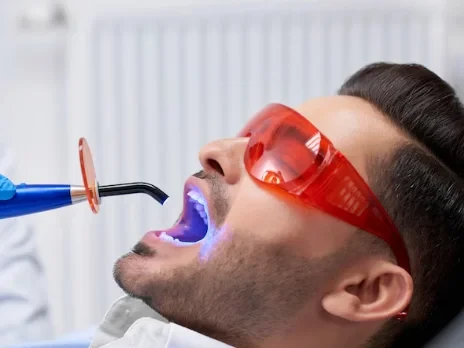

A bright, white smile is often associated with confidence, youth, and good oral health. However, over time, teeth naturally become stained due to aging, diet, lifestyle habits, and certain medications. Coffee, tea, red wine, smoking, and even some fruits can gradually dull your smile. Fortunately, modern teeth whitening treatments offer safe and effective ways to restore brightness.
If you're considering whitening your teeth, it’s important to understand the cost, procedure, and results before making a decision. This guide explains everything you need to know.
What Is Teeth Whitening?
Teeth whitening is a cosmetic dental treatment designed to lighten the natural color of your teeth and remove stains. Most whitening systems use bleaching agents such as hydrogen peroxide or carbamide peroxide. These ingredients break down stains into smaller particles, making teeth appear whiter.
It’s important to note that whitening works best on natural teeth. Dental restorations like crowns, veneers, and fillings do not respond to bleaching agents.
Types of Teeth Whitening Treatments
There are three main options available: professional in-office whitening, dentist-supervised take-home kits, and over-the-counter products.
1. In-Office Professional Whitening
This is the fastest and most effective whitening method. The procedure is performed by a dentist in a clinical setting using high-concentration whitening gel.
Procedure:
- The dentist examines your teeth and gums.
- A protective barrier is applied to the gums.
- Whitening gel is placed on the teeth.
- In some cases, a special LED or laser light activates the gel.
- The session typically lasts 60 to 90 minutes.
Cost:
Professional in-office whitening usually ranges from ₹27,000 to ₹91,000 per session, depending on location and dental clinic.
Results:
Teeth can become 3 to 8 shades lighter in just one visit. Results often last between one and three years with proper maintenance.
2. Dentist-Supervised Take-Home Whitening Kits
This option offers professional-level whitening at a lower cost, with gradual results.
Procedure:
- The dentist takes impressions of your teeth.
- Custom trays are made specifically for your mouth.
- You apply whitening gel inside the trays and wear them daily for one to two weeks.
Cost:
Typically ranges from ₹18,000 to ₹55,000.
Results:
You can achieve similar results to in-office treatment, but it may take longer. Results usually last six months to two years.
3. Over-the-Counter Whitening Products
These are widely available and include whitening strips, gels, pens, LED kits, and whitening toothpaste.
Procedure:
- Whitening strips or gels are applied daily for about one to two weeks.
- Whitening toothpaste is used as part of your regular oral hygiene routine.
Cost:
Ranges from ₹1,800 to ₹13,800 depending on the product.
Results:
Teeth may lighten 1 to 3 shades. Results vary and are generally less dramatic than professional treatments.
What Affects the Cost of Teeth Whitening?
The price of teeth whitening depends on several factors:
- Type of treatment chosen
- Geographic location
- Dentist’s experience and reputation
- Severity of discoloration
- Number of sessions required
Since teeth whitening is considered a cosmetic procedure, dental insurance usually does not cover the cost.
What Causes Tooth Discoloration?
_Understanding the cause of staining can help determine the best whitening method.
Common causes include:
- Coffee, tea, soda, and red wine
- Tobacco use
- Poor oral hygiene
- Aging
- Certain medications
- Trauma to the tooth
There are two main types of stains:
- Extrinsic stains – surface stains caused by food and drinks
- Intrinsic stains – deeper discoloration within the tooth
Professional whitening is more effective for intrinsic stains compared to over-the-counter options.
What to Expect During and After Treatment
Before Treatment
Your dentist may recommend a professional cleaning before whitening. Cavities or gum issues should be treated first to avoid sensitivity or irritation.
During Treatment
You may experience mild tingling or sensitivity while the whitening agent is active. This is normal and usually temporary.
After Treatment
Some people experience tooth sensitivity for 24–48 hours. Avoid dark-colored foods and drinks during this time. Using desensitizing toothpaste can help reduce discomfort.
If you are considering Teeth Whitening in Mysore, choosing a trusted and experienced dental clinic is essential for safe and long-lasting results. At Murthy Dental Clinic, patients receive personalized whitening treatments tailored to their tooth sensitivity, stain type, and cosmetic goals. Whether you prefer in-office whitening for instant brightness or customized take-home trays for gradual improvement, professional guidance ensures effective results while protecting your enamel and gums. Consulting an experienced dental team also helps determine the most suitable whitening method based on your oral health condition.
How Long Do Teeth Whitening Results Last?
Whitening results are not permanent. The longevity depends on your lifestyle habits and oral care routine.
Average duration:
- In-office whitening: 1–3 years
- Take-home kits: 6 months–2 years
- OTC products: 3–12 months
People who frequently consume staining beverages or smoke may notice discoloration returning more quickly.
Tips to Maintain a Whiter Smile
To extend your whitening results:
- Brush twice daily with fluoride toothpaste
- Floss daily
- Limit coffee, tea, soda, and red wine
- Use a straw for dark beverages
- Quit smoking
- Schedule regular dental cleanings
- Consider touch-up treatments once or twice a year
Good oral hygiene plays a major role in maintaining brightness.
Are There Any Risks or Side Effects?
Teeth whitening is generally safe when done correctly. However, possible side effects include:
- Temporary tooth sensitivity
- Gum irritation
- Mild discomfort
These side effects usually disappear within a few days. Following your dentist’s instructions carefully minimizes risks.
Who Should Avoid Teeth Whitening?
Teeth whitening may not be recommended for:
- Pregnant or breastfeeding women
- Children under 16
- Individuals with severe gum disease
- People with untreated cavities
- Those with extensive dental restorations
A dental consultation ensures whitening is safe and appropriate for your situation.
Is Teeth Whitening Worth It?
For many people, the confidence boost from a brighter smile makes teeth whitening a worthwhile investment. It is one of the most affordable cosmetic dental treatments and provides noticeable improvements with minimal time commitment.
If you want fast and dramatic results, in-office treatment is the best option. If you prefer a more affordable, gradual approach, take-home kits or OTC products may be suitable.
Teeth whitening is a safe and effective way to enhance your smile. Understanding the cost, procedure, and expected results helps you choose the right option for your needs and budget.
While results are not permanent, proper care and maintenance can keep your smile bright for years. Consulting with a dental professional ensures you achieve the best possible outcome safely and effectively.
A whiter smile doesn’t just improve appearance—it can also boost confidence and leave a lasting impression.
Original Sources :- Teeth Whitening Cost, Procedure & Results Explained










Sign in to leave a comment.