

For decades, the warning signs of heart disease have been textbook: crushing chest pain, pain radiating down the left arm, shortness of breath. But if you’re in India in 2025, the symptoms of heart disease aren’t necessarily quite so clear-cut anymore — and the people having them are younger, leaner, and frequently have no family history to speak of.
In hospitals across India today, cardiologists are seeing jaw stiffness, back pain, indigestion, anxiety, and even just unexplained fatigue as heart attacks. And all too often, these symptoms are dismissed — until it’s too late.
If you believe that heart disease always feels the way it looks on the silver screen, then this article is a wake-up call.
The New Look of Heart Disease in India
India has always had a unique relationship with cardiovascular disease. Research from the Indian Council of Medical Research (ICMR) and the Cardiological Society of India (CSI) confirms that Indians develop heart disease 5–10 years earlier than Western populations. But now, new data shows that the symptoms themselves are changing too, especially in younger, diabetic, and urban populations.
Why Are the Symptoms of Heart Disease Shifting?
- Younger patients, atypical symptoms: People in their 30s and 40s are now testing positive for heart blockage, and their symptoms can easily be mistaken for acidity, anxiety, or muscle fatigue.
- Sedentary behavior: Desk jobs, long commute hours, and little movement make symptoms less dramatic and more chronic.
- Increased Diagnosis Among Women: Women’s symptoms also tend to be more subtle — nausea, fatigue, and jaw pain, as opposed to the obvious crushing chest pain.
- Other Health Issues: Diabetes, obesity, and even air pollution complicate how symptoms present.
Common Symptoms of Heart Disease—The Updated Indian Reality
Here’s a closer look at symptoms that are being reported more frequently among Indian heart patients, all of whom are at risk — or may be trying to avoid — a catastrophic stroke or heart attack that could be brought on by the virus, but that in many cases came with no earlier diagnosis of a heart condition.
Extreme Fatigue (Even Without Physical Exertion)
Case example: A 38-year-old IT professional from Bengaluru used to suffer from a sense of tiredness by mid-morning. No chest pain. He was subsequently found to have 80% LAD stenosis.
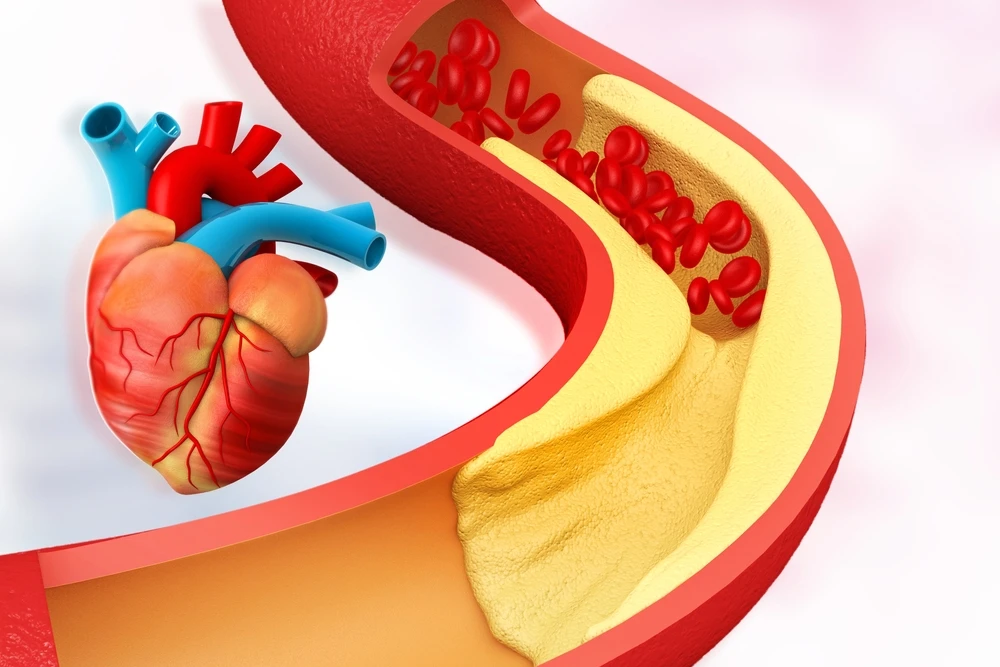
Fatigue that doesn’t improve with rest can be an early indicator of reduced blood flow to the heart.
Jaw, Neck, or Shoulder Pain
Indians largely dismiss jaw or shoulder pain, attributing it to dental problems or bad posture. In women, it is now known as a major indicator of an imminent heart attack.
Reflux, Gas / Pain in the Belly
This is particularly frequent in Indian patients who are obese or have diabetes; this is commonly overlooked as “acidity” or “gas,” but actually, cardiac angina in the mask.
Shortness of Breath During Light Activity
Walking up a flight of stairs or feeling breathless while getting ready in the morning could be a sign of heart muscle strain.
Unexplained Sweating or Cold Clammy Skin
And it’s not just men—several young Indian women in metros have experienced incidents of unexplained perspiration, eventually diagnosed as unstable angina or even early-stage heart disease.
Increased Anxiety or Restlessness (Without Stressors)
Emerging research indicates that mental health-like symptoms — panic, unexplained anxiety — are frequently associated with cardiac electrical instability.
Sleep Disturbances
Poor sleep isn’t just a cause of heart disease—it may also be a symptom. Frequent waking, sleep apnea, or palpitations at night may indicate worsening heart health.
The India-Specific Triggers That Worsen These Symptoms
Air Pollution
The pollution -- particulate matter in cities, not only in Delhi, Mumbai, or Kanpur but in whole India increases the risk of not only death due to heart and lung diseases but also strokes, as well as being an independent short-term contributor to coronary artery disease.
Late Diagnosed Diabetes
Type 2 diabetes is rampant in India, with many being diagnosed only after a cardiac event. Diabetes masks traditional symptoms like chest pain, making nerve-related symptoms like fatigue, numbness, and breathlessness more prominent.
High Emotional Stress
From career pressure to caregiving stress, emotional strain speeds up heart damage. Emotional symptoms such as anxiety aren’t just “mental health”—they may be red flags for heart trouble.
What Patients and Families Must Ask Today
So often, heart attacks stun us — not because the symptoms weren’t there, but because we never recognised them.
Here are 3 key questions every adult Indian over 30 should ask:
- Are my symptoms new or unexplained (e.g., fatigue, indigestion, breathlessness)?
- Do I have risk factors like diabetes, high BP, or family history—even if I'm asymptomatic?
- Am I avoiding screening just because I feel “young” or “healthy”?
What Doctors in India Want Now
India’s leading preventive cardiologists, including those at AIIMS, SAAOL Heart Center-Delhi, and Max Healthcare, are changing focus, attempting early diagnosis via symptom patterns.
The new checklist includes:
- Regular lipid and blood sugar profiling, even in the 20s and 30s
- Preventive ECGs and stress tests for sedentary office workers
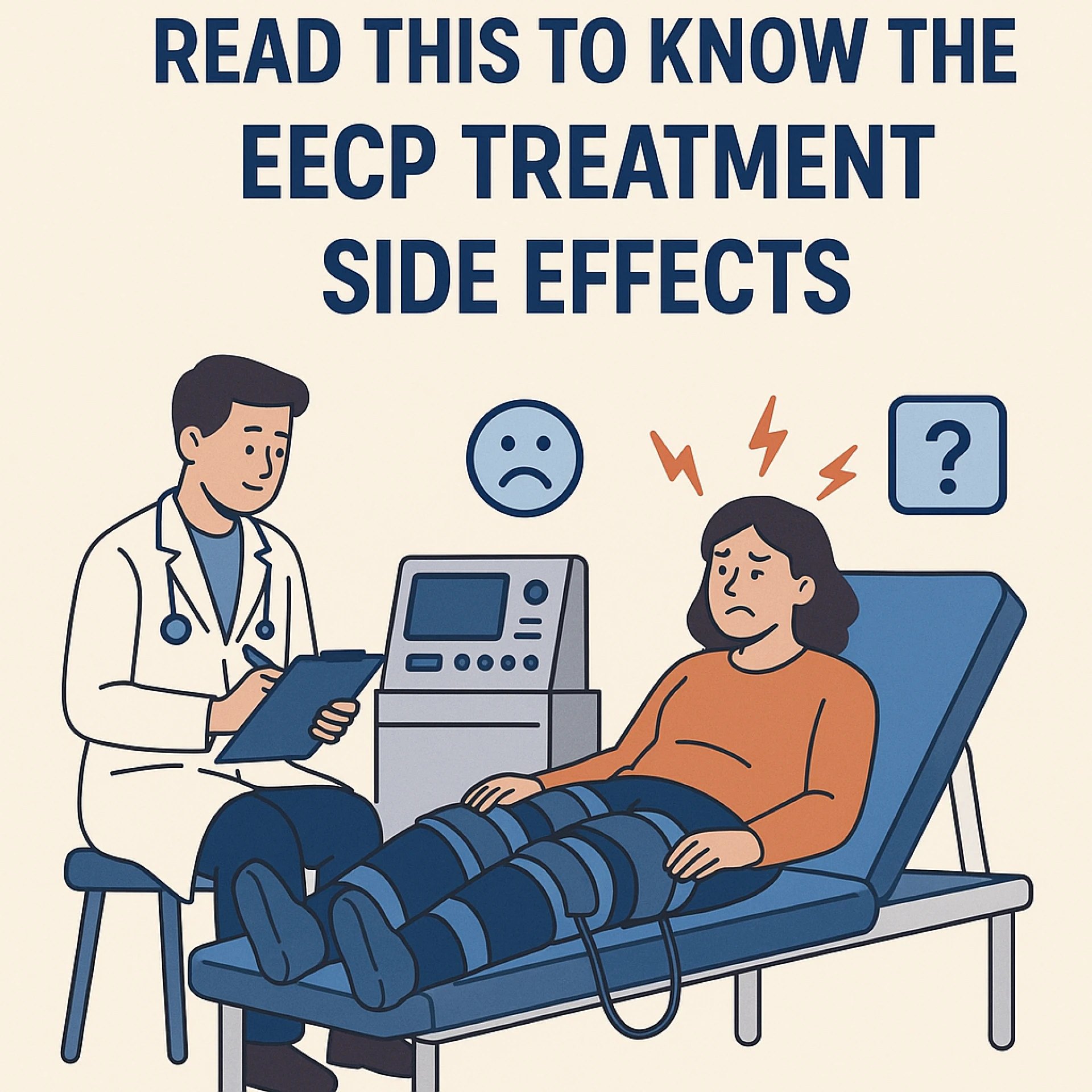
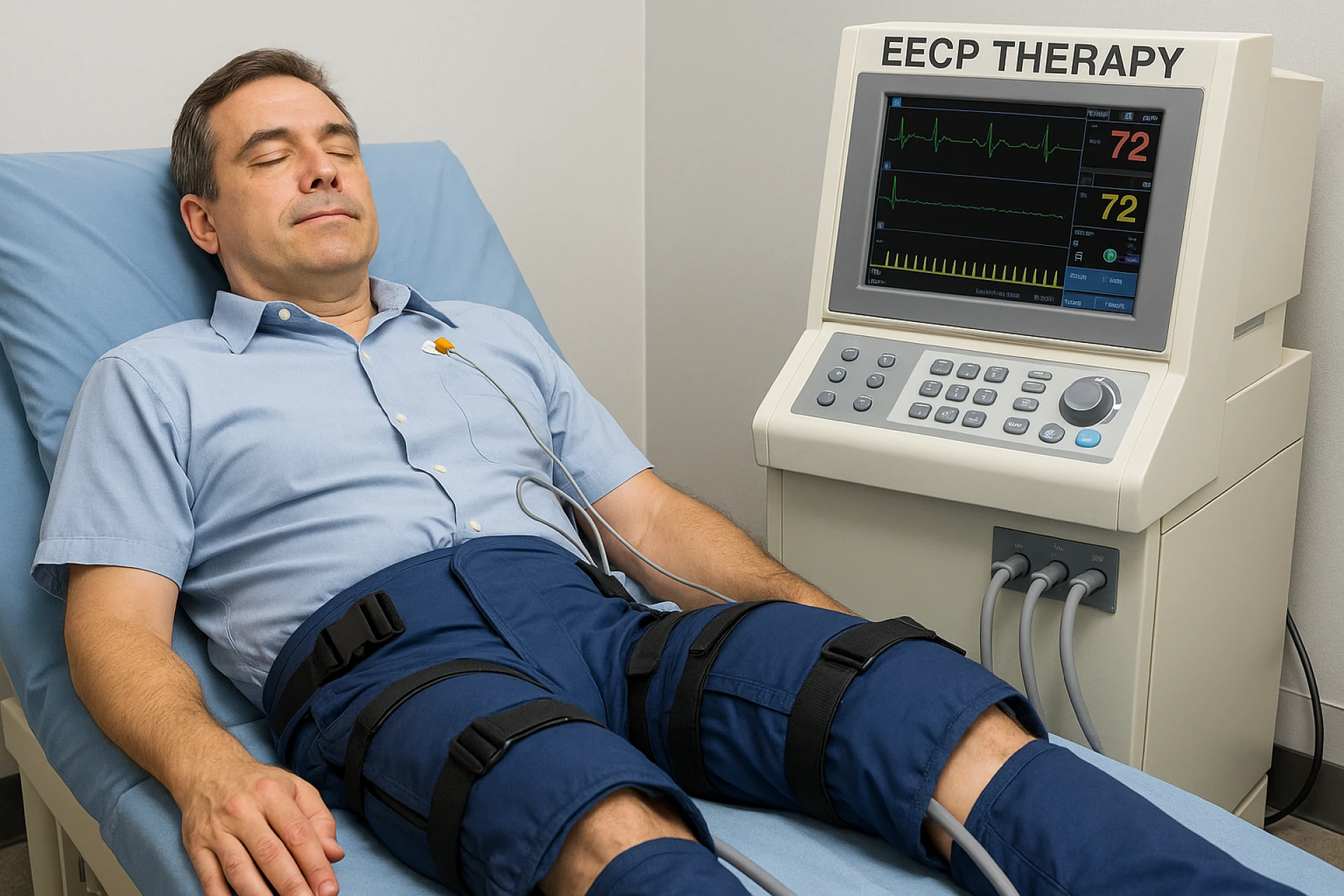
- EECP therapy and lifestyle modification for those already symptomatic but without severe blockages
Final Thoughts: Be Symptom Aware, Be Risk Aware
It’s time to reimagine the story of what C.V.D. looks like in India.
The symptoms of heart disease are no longer just dramatic ones. They’re quiet. They’re chronic. And they’re commonly mistaken for everyday fatigue, stress, or digestive issues, especially among the Indian working class. Consciousness is the first treatment. Invest in screening first. And knowing the changing symptoms is your most powerful tool in avoiding the worst.































Sign in to leave a comment.