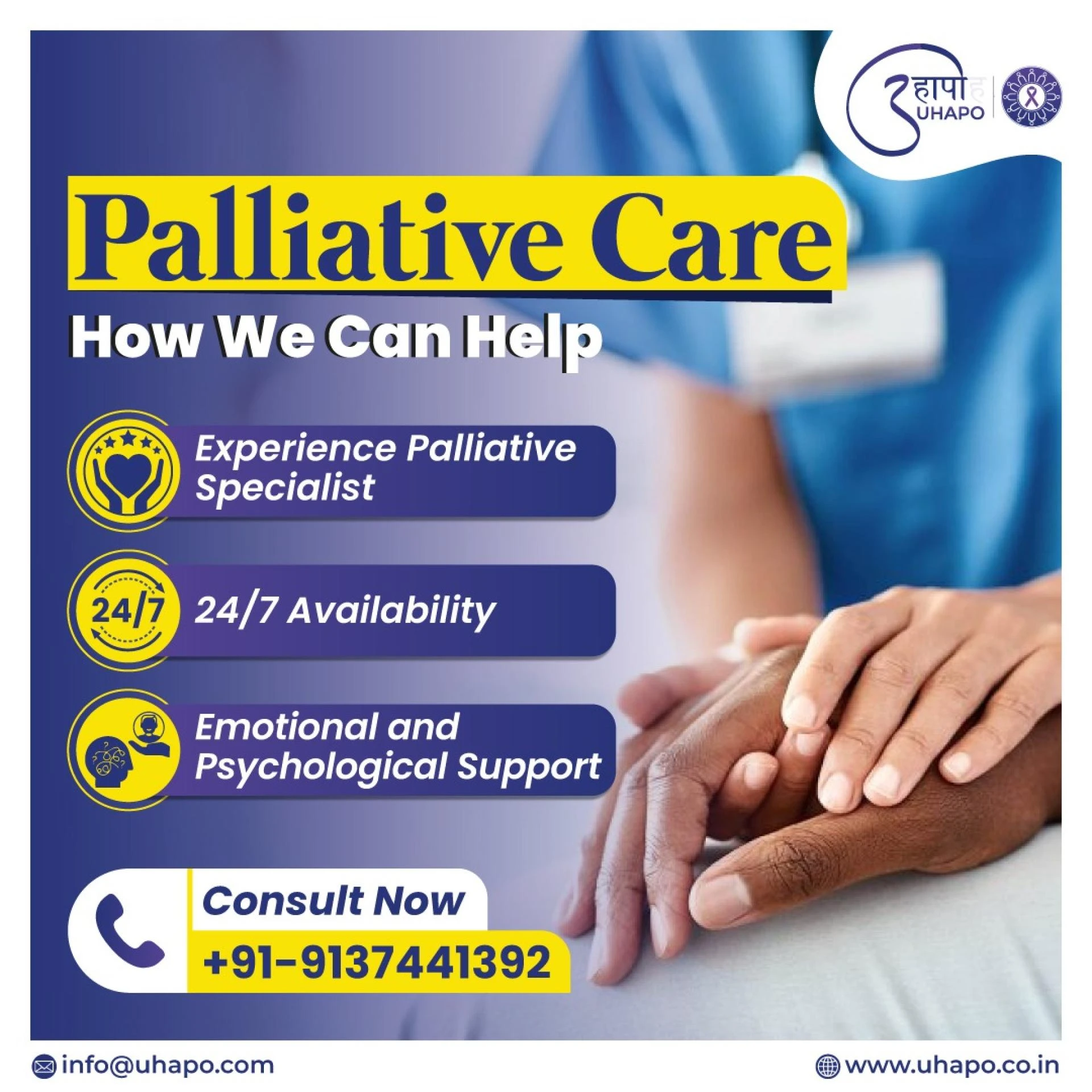

Palliative care is a specialized form of medical care focused on providing relief from the symptoms, pain, and emotional stress of serious illnesses. Its goal is to improve quality of life for both patients and their families—regardless of the patient’s age, stage of illness, or treatment choices.
What Is Palliative Care?
Unlike curative treatments aimed at eliminating disease, palliative care prioritizes comfort and holistic support. It can be provided alongside curative treatments or as the main focus of care, especially when managing chronic, progressive, or terminal conditions such as cancer, heart failure, chronic lung disease, dementia, and more.
Key Features of Palliative Care Services
- Symptom Management
- Palliative care teams help manage pain, shortness of breath, fatigue, nausea, loss of appetite, and other distressing symptoms using medications, therapies, and complementary techniques.
- Emotional and Psychological Support
- Serious illness can cause anxiety, depression, and spiritual distress. Palliative care includes counseling, social work support, and spiritual care tailored to individual beliefs and values.
- Care Coordination
- Palliative care professionals work closely with a patient's primary doctors and specialists to ensure continuity and clarity in care decisions. They also help navigate complex healthcare systems and long-term care planning.
- Support for Families
- Families and caregivers are integral to a patient’s care journey. Palliative services provide education, respite resources, and emotional support to help loved ones cope and feel empowered in their roles.
- End-of-Life Planning
- For those approaching the final stages of life, palliative care can guide advance care planning, hospice referrals, and discussions around goals of care, ensuring dignity and personal wishes are honored.
Who Provides Palliative Care?
Palliative care is delivered by a multidisciplinary team that may include:
- Doctors and nurses trained in palliative medicine
- Social workers and counselors
- Chaplains or spiritual care providers
- Physical and occupational therapists
- Pharmacists and dietitians
This team approach ensures that all aspects of a patient’s well-being—physical, emotional, social, and spiritual—are addressed.
Where Is Palliative Care Provided?
Palliative care services can be delivered in various settings:
- Hospitals
- Outpatient clinics
- Home care programs
- Long-term care or assisted living facilities
- Hospice centers
The flexibility of these services allows care to be personalized based on a patient’s needs and preferences.
Why Choose Palliative Care?
Engaging in palliative care does not mean giving up. Instead, it’s a proactive step toward living as fully and comfortably as possible, even in the face of serious illness. Studies show that patients who receive early palliative care often experience improved quality of life, reduced hospital visits, and greater satisfaction with their care.
Conclusion
Palliative care is about more than managing pain—it’s about ensuring that individuals facing serious illness can live with dignity, comfort, and respect. By addressing the whole person and supporting families every step of the way, palliative care provides a compassionate foundation for navigating life’s most challenging moments.













Sign in to leave a comment.