Srinivasa Ramanujan’s mathematical brilliance continues to inspire mathematicians, educators, and learners worldwide. In the context of modern math education, the abacus emerges as a transformative tool with parallels to the intuitive approaches championed by great minds like Ramanujan. This blog explores Ramanujan’s journey alongside the power and evolution of abacus math — showing how both shape today’s learning experience.
Srinivasa Ramanujan: Biography and Early Life
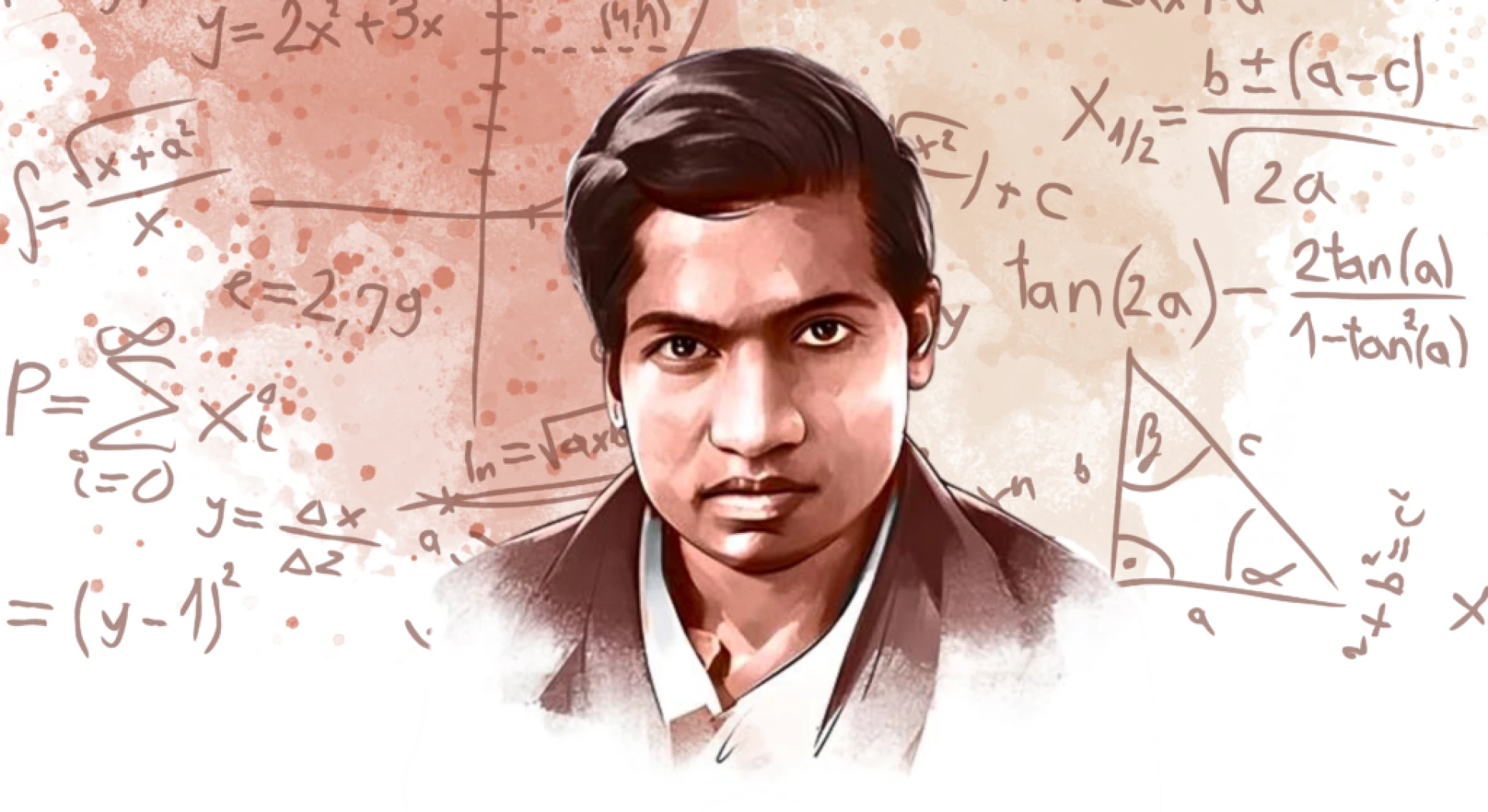
Srinivasa Ramanujan was born in 1887 in Tamil Nadu, India — a mathematician whose self-taught genius astounded both Indian and Western scholars. His fascination with numbers showed at an early age, as he would solve complex mathematical problems using intuition and creativity, well ahead of his peers. Despite facing obstacles in formal education, Ramanujan’s dedication led him to correspond with British mathematician G.H. Hardy, which launched his international academic journey. His story remains a beacon for those passionate about mathematics, making his biography crucial reading for anyone interested in the roots of mathematical innovation.
Ramanujan’s Contributions to Mathematics
The impact of mathematician Ramanujan is felt across number theory, infinite series, partitions, and mathematical analysis. He developed powerful formulas, like the famous Ramanujan series for calculating π (pi), and introduced concepts like “mock theta functions,” still influential in modern research. Ramanujan’s extraordinary results often relied on raw mental calculation and visual aptitude — a trait often cultivated in abacus math students today.
The Abacus: Foundation and Function in Mathematics
What is an abacus? It’s an ancient mathematical instrument used for performing arithmetic calculations, widely known for harnessing mental arithmetic and visualization. In India, abacus classes have rapidly gained momentum for their role in fostering whole-brain development, much like Ramanujan’s natural mathematical intuition. Abacus math transforms the way students perceive numbers — helping them see and solve problems with clarity, speed, and confidence.
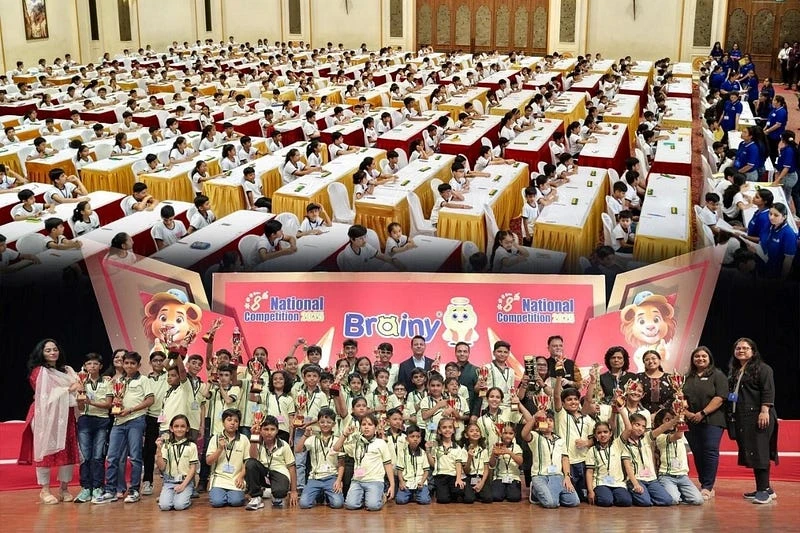
Modern institutions like Brainy Abacus reimagine traditional abacus methods. Their “Diziphyzi” system — combining digital and physical learning — caters to present-day learners, ensuring math concepts are clear and practice is engaging. Brainy’s hybrid curriculum addresses historical gaps in abacus education, giving children ages 4–14 optimal training for robust mental development.
Abacus Training: Benefits for Modern Mathematicians
Ramanujan’s career demonstrates what’s possible when innate talent meets effective training. Abacus learning channels this potential, offering:
- Enhanced concentration and logical thinking
- Sharper memory and visualization capability
- Improved problem-solving speed without external aids
- Increased academic confidence
Brainy Abacus, for example, delivers programs tailored for both junior (ages 4–8) and senior (ages 9–14) students, emphasizing two hours of classroom training weekly and daily practice through an app — melding personalized attention with scalable digital innovation. The results include rapid calculation, advanced concentration, and an ability to solve complex problems mentally — traits exhibited by historical figures like Ramanujan.
Where to Start with Abacus for Math
If looking to begin or advance abacus learning, explore Brainy’s range of programs, centers, and innovative approaches: Find robust details on their modern abacus methodology at Abacus Classes — Brainy.
Learn about additional educational offerings and sensory enhancement at the Brainy India main portal. To find a local Brainy center and personalized support, check their comprehensive list here: Brainy Centers near you.
Conclusion: Bridging Legacy and Innovation
The story of Ramanujan, the mathematician who changed our understanding of numbers, is closely echoed in the philosophy behind abacus education. By developing intuitive, logical, and confident learners, structured abacus math not only pays tribute to Ramanujan’s legacy but also empowers the next generation to master mathematics with ease and excitement.
Explore how abacus can unlock hidden talents and shape future math geniuses by beginning the journey with programs like those at Brainy Abacus.












Sign in to leave a comment.