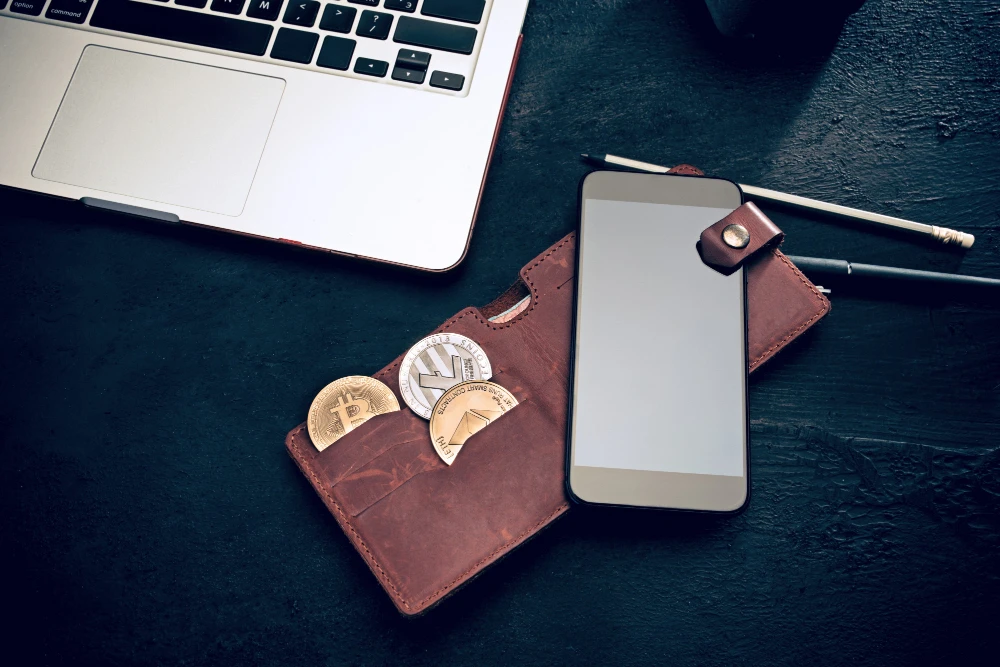

RWA Tokenization Development Company is revolutionizing the investment landscape, offering fractional ownership, improved liquidity, and enhanced transparency. However, two critical factors must be considered for the successful implementation of asset tokenization: security and scalability. Ensuring robust security protects investors and asset owners, while scalability guarantees seamless operations even as demand grows.
This blog will explore the essential aspects of security and scalability in real-world asset tokenization, helping businesses and investors navigate this transformative technology.
Understanding Asset Tokenization
Before diving into security and scalability concerns, it's crucial to understand what asset tokenization entails. Asset tokenization is the process of converting ownership rights of physical or digital assets into blockchain-based tokens. These tokens can represent real estate, commodities, art, stocks, or even intellectual property, making it easier to buy, sell, and trade assets globally.
However, as promising as asset tokenization sounds, addressing security vulnerabilities and ensuring a scalable infrastructure are paramount to its success.
Security Considerations in Asset Tokenization
1. Smart Contract Security
Smart contracts play a crucial role in asset tokenization, automating transactions and enforcing agreements. However, poorly written or vulnerable smart contracts can lead to hacking incidents and asset losses. To ensure security:
- Conduct smart contract audits before deployment.
- Use secure coding practices to prevent vulnerabilities.
- Implement multi-signature authorization for high-value transactions.
2. Regulatory Compliance and KYC/AML Measures
Regulatory compliance is critical in asset tokenization to prevent fraud, money laundering, and illicit activities. Organizations must:
- Adhere to Know Your Customer (KYC) and Anti-Money Laundering (AML) regulations.
- Use identity verification solutions to prevent unauthorized access.
- Stay updated with jurisdiction-specific legal frameworks.
3. Data Privacy and Encryption
Protecting investor and asset owner data is non-negotiable. Tokenization platforms should incorporate:
- End-to-end encryption to secure transactions.
- Decentralized identity management to enhance data security.
- Access control mechanisms to prevent unauthorized data breaches.
4. Custody Solutions for Tokenized Assets
Custody solutions play a vital role in securing digital assets. Businesses can opt for:
- Cold storage solutions to store private keys securely.
- Multi-party computation (MPC) for secure key management.
- Institutional-grade custodians to safeguard tokenized assets.
5. Mitigating Cyber Threats and Attacks
Cybersecurity threats such as phishing, DDoS attacks, and protocol exploits can compromise tokenized asset platforms. To minimize risks:
- Implement multi-factor authentication (MFA) for user access.
- Deploy real-time threat detection systems.
- Conduct regular security penetration tests.
Scalability Considerations in Asset Tokenization
1. Blockchain Network Selection
Choosing the right blockchain network is essential for scalability. Options include:
- Ethereum – Popular but faces high gas fees and congestion.
- Polygon, Solana, or Avalanche – Offer faster transactions with lower fees.
- Private blockchains – Provide better control but may lack decentralization.
A hybrid approach, integrating both public and private blockchains, can enhance scalability while ensuring security.
2. Transaction Throughput and Speed
High transaction volumes can slow down blockchain networks. To improve efficiency:
- Implement Layer 2 solutions (e.g., Optimistic Rollups, zk-Rollups) for faster processing.
- Use sharding to divide data processing loads.
- Optimize consensus mechanisms (e.g., Proof-of-Stake instead of Proof-of-Work).
3. Interoperability Between Blockchains
Interoperability ensures seamless asset transfer across different blockchain networks. Solutions include:
- Cross-chain bridges to enable movement between blockchains.
- Token standards like ERC-20, ERC-1400, and Polkadot’s parachains for better compatibility.
4. Automated and Efficient Smart Contracts
Efficient smart contracts reduce network congestion. Optimization methods include:
- Writing lightweight smart contract codes.
- Using off-chain computations for complex processing.
- Implementing gas-efficient transaction mechanisms.
5. Scalable Infrastructure and Cloud Integration
To support a growing number of users and transactions, tokenization platforms should integrate:
- Cloud-based infrastructure (e.g., AWS, Azure, or decentralized storage like IPFS).
- Load balancing mechanisms to distribute traffic.
- Auto-scaling solutions to handle peak demands.
6. User Experience and Scalability of Frontend Applications
A scalable platform should also provide an intuitive and seamless user experience (UX) by:
- Optimizing the user interface (UI) for high-speed performance.
- Implementing responsive designs for mobile and desktop.
- Ensuring real-time transaction tracking for transparency.
The Future of Secure and Scalable Asset Tokenization
The future of asset tokenization lies in achieving the perfect balance between security and scalability. Emerging trends include:
- Zero-Knowledge Proofs (ZKP) for enhanced privacy.
- Decentralized Identity (DID) systems for secure user verification.
- Artificial Intelligence (AI)-driven security monitoring for proactive threat detection.
- Integration with Central Bank Digital Currencies (CBDCs) to bridge traditional finance and blockchain assets.
With ongoing advancements, tokenization will continue to redefine the financial landscape, offering safer, more efficient, and highly scalable investment opportunities.
Conclusion
Real-world asset tokenization presents an innovative approach to investment, enabling fractional ownership, improved liquidity, and global accessibility. However, for widespread adoption, businesses must prioritize security and scalability.
By leveraging robust security protocols, compliant smart contracts, scalable blockchain networks, and interoperable solutions, companies can create a sustainable tokenization ecosystem that benefits both asset owners and investors.
As blockchain technology evolves, the future of asset tokenization looks promising—delivering a more transparent, secure, and scalable financial system for global markets.












Sign in to leave a comment.