
In the ever-evolving world of skincare, trends rise and fall with the tide of social media and celebrity endorsements. One treatment, however, has managed to remain in the spotlight for several years—PRP facials, sometimes referred to as “vampire facials.” Loved by influencers and dermatologists alike, this unique blend of science and aesthetics has sparked curiosity among beauty enthusiasts. But the real question is: are PRP facials just another overhyped trend, or do they genuinely deliver transformative results? In the center of this rising interest is the prp treatment for face, which has been touted for its natural healing potential and anti-aging effects.
What Exactly is a PRP Facial?
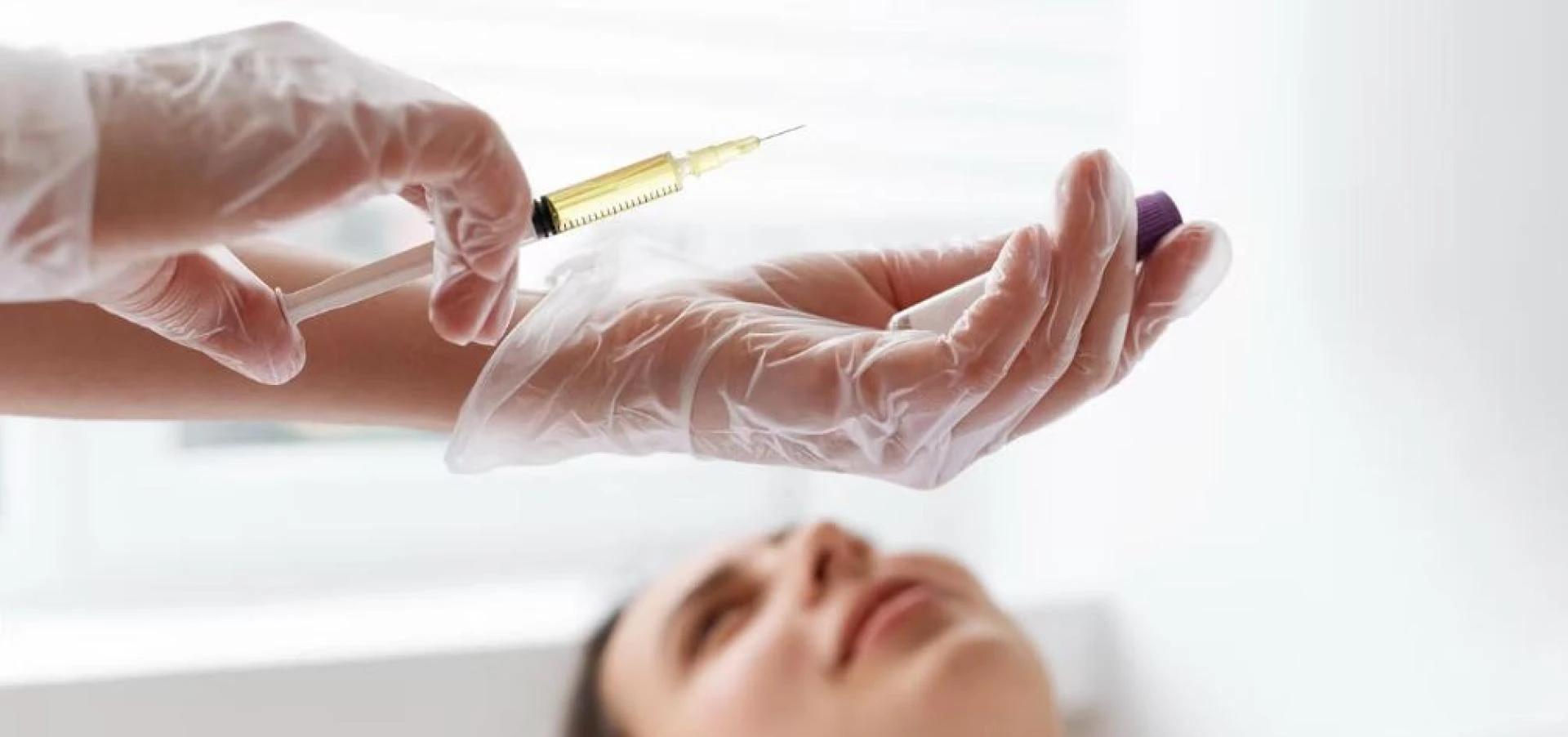
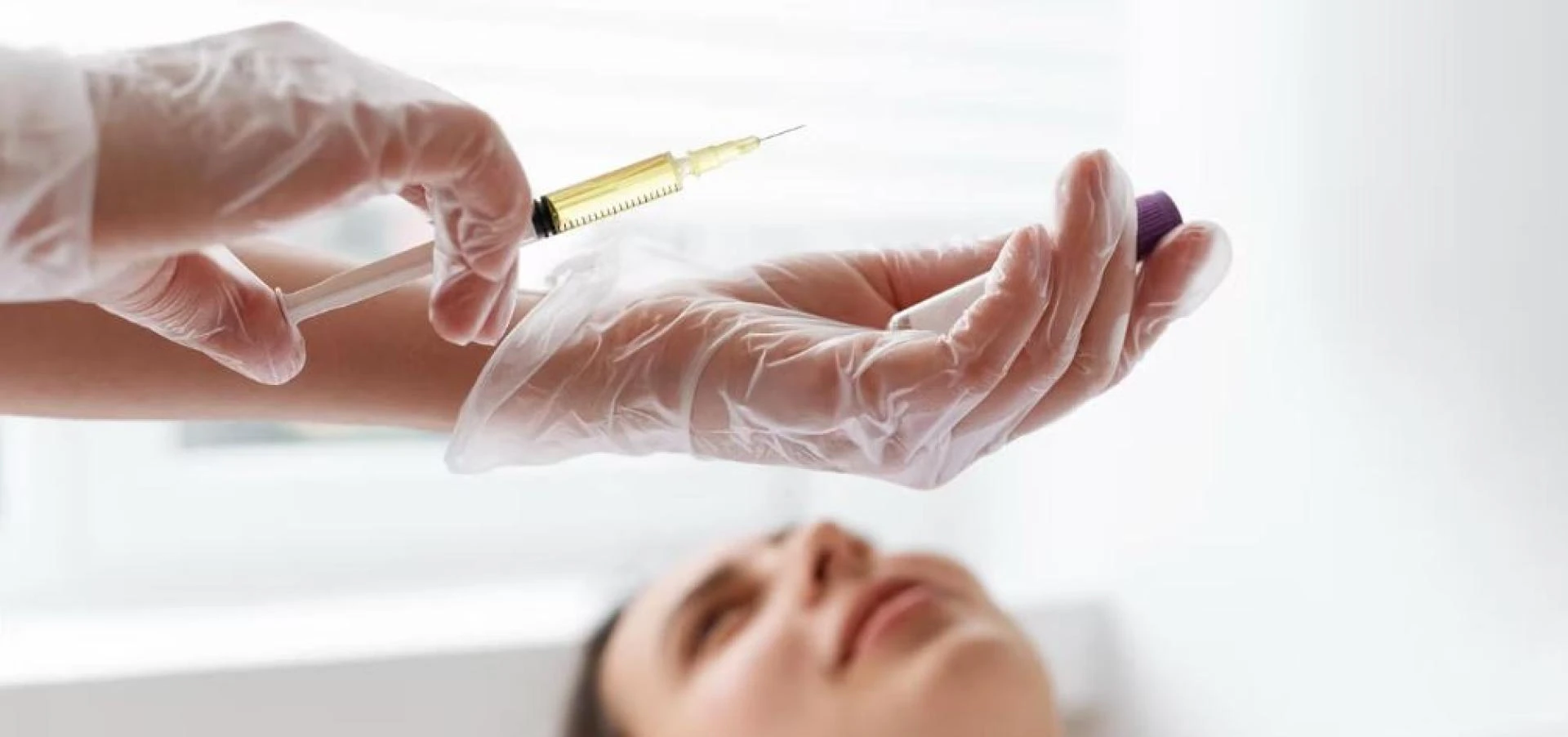
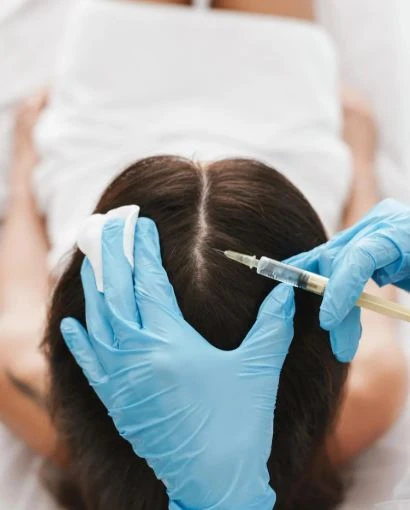
A PRP (Platelet-Rich Plasma) facial is a cosmetic treatment that uses the patient's own blood to rejuvenate the skin. The process begins by drawing a small amount of blood, which is then placed in a centrifuge to separate the platelets from other blood components. The resulting golden-colored plasma is rich in growth factors and healing proteins. This plasma is then either microneedled into the skin or injected directly into targeted areas.
The core idea is that by using the body's own healing agents, skin can regenerate more effectively, resulting in smoother texture, improved tone, reduced fine lines, and a brighter appearance. Unlike synthetic fillers or chemical peels, PRP relies entirely on natural biological processes, which makes it appealing for those seeking less invasive and more organic treatments.
The Science Behind the Glow
It’s easy to dismiss PRP facials as just another gimmick in the crowded cosmetic space, but there’s real science supporting their efficacy. Platelets are loaded with growth factors like PDGF (platelet-derived growth factor), TGF (transforming growth factor), and VEGF (vascular endothelial growth factor), all of which play crucial roles in wound healing and cell regeneration.
When applied to the skin, these growth factors trigger a healing response, stimulating collagen production and cell turnover. This is particularly beneficial for individuals dealing with acne scars, uneven texture, or early signs of aging. While the idea of using your own blood may seem unsettling to some, it’s this very personalization that adds to the safety and success of the procedure.
Clinical studies have shown positive results, with many participants reporting noticeable improvement in skin quality after a series of PRP treatments. Still, the full benefits often require several sessions, and results can vary depending on age, skin condition, and lifestyle factors.
Celebrity Endorsements and Media Buzz
A significant portion of PRP’s popularity can be attributed to celebrity endorsements. Stars like Kim Kardashian, Bar Refaeli, and Gwyneth Paltrow have all publicly shared their experiences with vampire facials. These endorsements, amplified by social media, created a wave of interest that caused clinics worldwide to add PRP to their service offerings.
But celebrity hype often raises suspicion. Critics argue that such endorsements may create unrealistic expectations and overlook potential downsides. However, most users report minimal side effects—typically mild redness, slight swelling, or bruising—and many find the downtime to be significantly less than that of laser treatments or deep peels.
Despite the buzz, it's worth noting that PRP facials are not FDA-approved for cosmetic use, though the individual components (like microneedling devices and blood draw methods) are. This hasn’t stopped dermatologists from offering the procedure off-label, especially given its low risk profile when performed correctly.
Cost, Commitment, and Considerations
One of the major considerations when deciding whether a PRP facial is worth it is the cost. A single session can range from $500 to $1,500, depending on location and practitioner experience. Most professionals recommend a series of three to six treatments spaced about a month apart for optimal results.
Additionally, the commitment doesn’t end after the session. Post-procedure care is essential. Patients are advised to avoid makeup, sun exposure, and intense workouts for a few days following the treatment. Results typically begin to appear after two to three weeks, with continued improvement over several months.
PRP facials are not a quick fix or an alternative to surgery. Instead, they are a part of a long-term skin care regimen for those willing to invest the time and money into gradual improvement. The results are subtle yet noticeable, which appeals to individuals seeking natural enhancements without dramatic alterations.
So, Is It Hype or the Real Deal?
Whether PRP facials are the "holy grail" of skincare largely depends on individual expectations. For those seeking a miracle cure for deep wrinkles or significant sagging, the results may fall short. But for individuals looking to improve skin texture, tone, and youthful glow using their body’s own healing capabilities, PRP can be a game changer.
The treatment has enough scientific backing to suggest it’s more than just hype. When performed by trained professionals and tailored to a patient's skin needs, PRP facials can offer noticeable and lasting results with minimal risk. However, managing expectations is crucial—this isn’t a one-time treatment with overnight miracles but rather a cumulative investment in skin health.
Final Thoughts
The beauty industry is full of fleeting fads, but PRP facials seem to have staying power. With their roots in regenerative medicine and support from both scientific studies and satisfied users, they straddle the line between medical innovation and cosmetic artistry. While not everyone will find them life-changing, many will discover that this “vampire” treatment brings their skin back to life in a way that few other procedures can.
For those considering diving into the world of PRP, consultation with a licensed dermatologist or aesthetic professional is essential. Understanding your skin’s needs, treatment protocol, and realistic outcomes will help determine whether this trending therapy is just hype—or truly your skin’s holy grail.




Sign in to leave a comment.