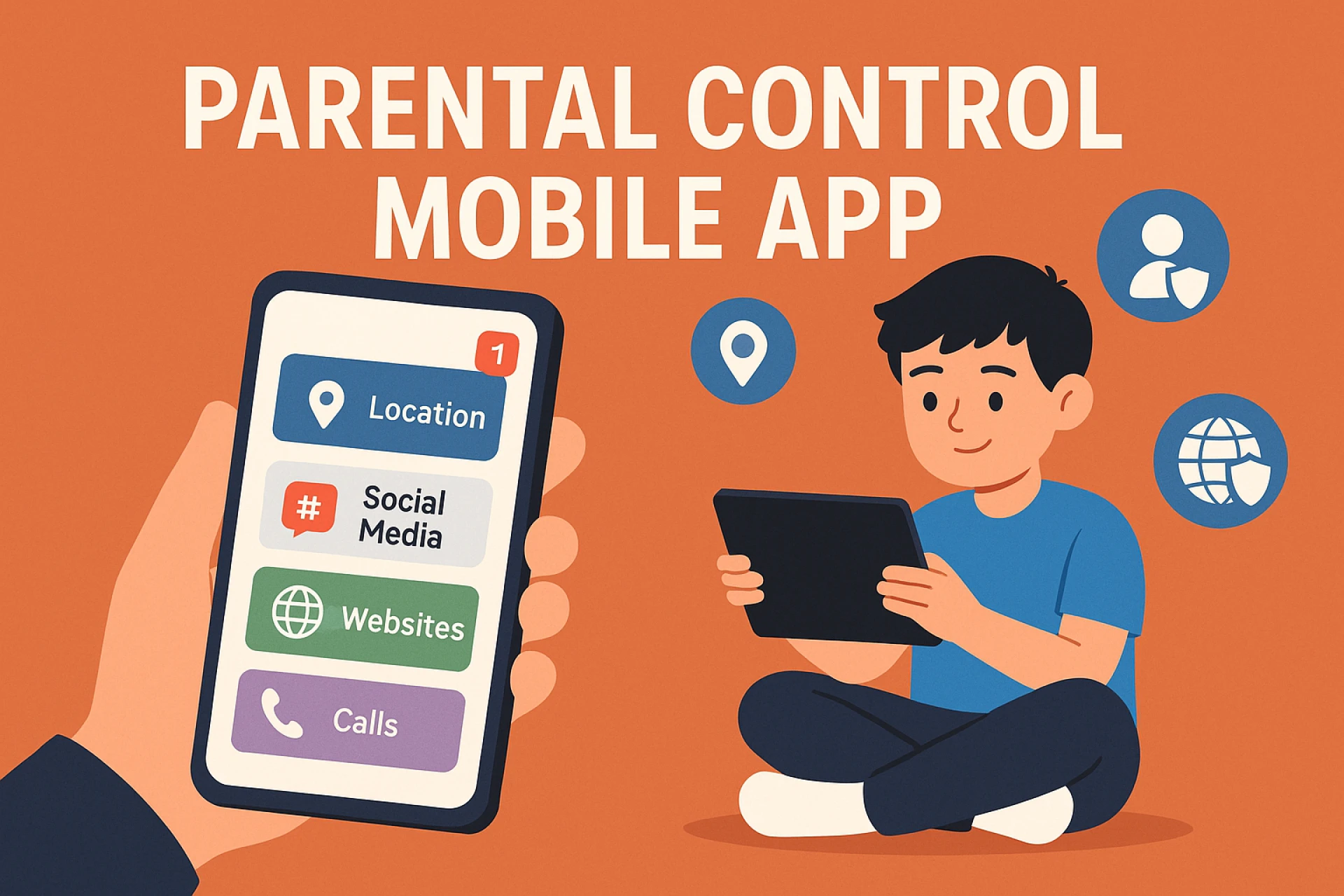

As digital devices become an integral part of everyday life, parents face a growing challenge: how to ensure their children are safe online. In 2025, kids are more connected than ever — smartphones, tablets, social media platforms, gaming apps, and messaging services are part of their daily routine. While these tools can educate and entertain, they also expose children to a range of dangers, from cyberbullying and inappropriate content to online predators and excessive screen time.
That’s where the parental control mobile app steps in — a powerful digital ally for modern parents.
Why Online Safety Matters More Than Ever
Today's children are often introduced to technology before they can even write their names. By the age of 7, many already have their own smartphones. With access to the internet comes a new world of risks:
- Exposure to explicit or harmful content
- Online predators on social networks
- Sexting and inappropriate messaging
- Cyberbullying and social pressure
- Addiction to gaming and screen time
- Sharing of personal data unknowingly
In 2025, the online ecosystem has only grown more sophisticated — and so have the tactics of those who pose a threat to children’s digital well-being. That’s why proactive parenting powered by technology is crucial.
The Rise of Parental Control Mobile Apps
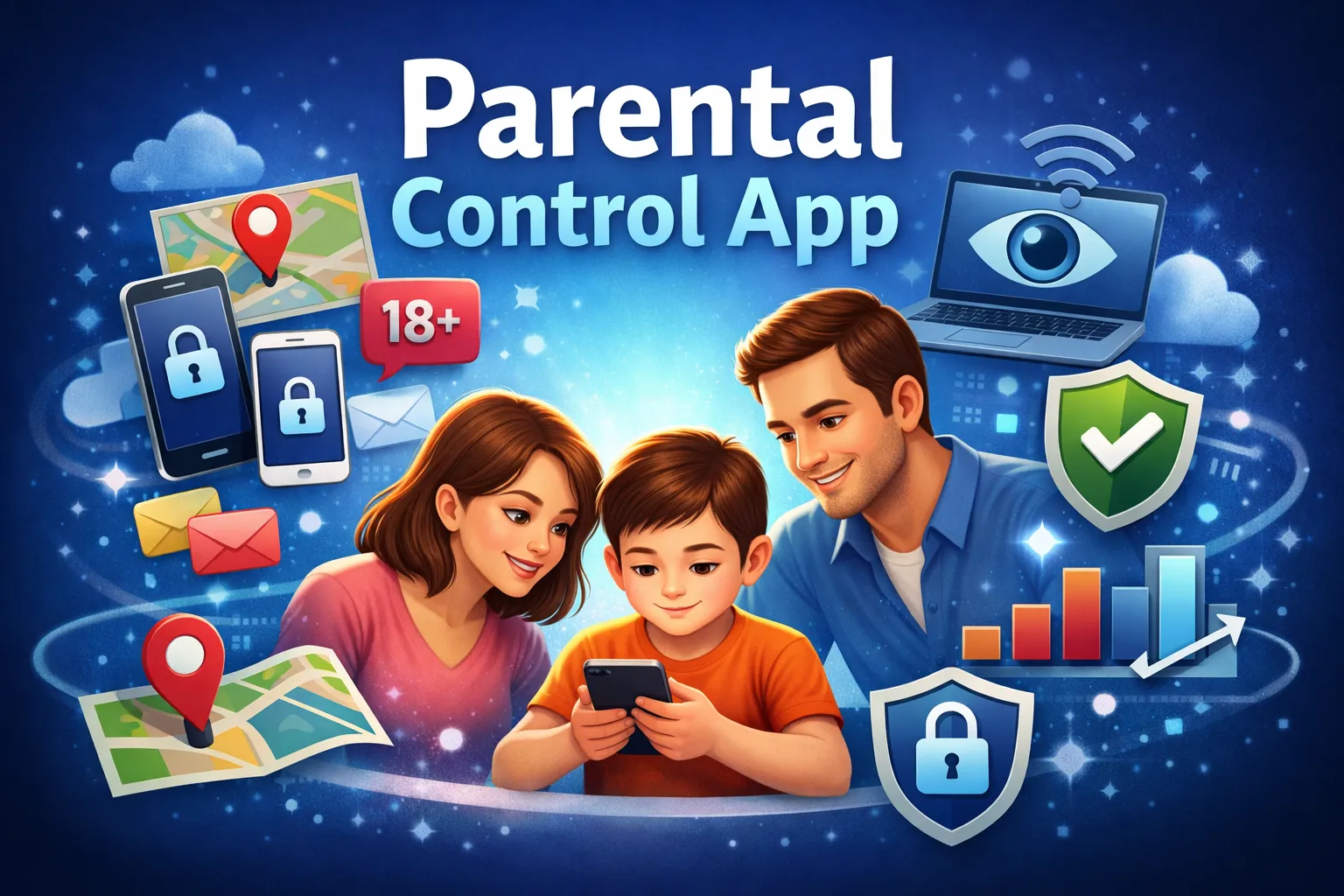
The parental control mobile app is no longer just about blocking adult websites or setting screen time limits. In 2025, these apps have evolved into robust, AI-powered platforms that offer real-time monitoring, GPS tracking, app management, call and text alerts, and social media filtering.
Key Features to Look for:
- Real-Time Monitoring
- Track app usage, browsing history, and device activity live.
- Receive instant alerts for inappropriate keywords or suspicious chats.
- GPS Tracking & Geofencing
- Know your child’s real-time location.
- Set geofences (virtual boundaries) to receive alerts when they enter or leave specific areas like school, home, or a friend’s house.
- Social Media Filtering
- Monitor platforms like Instagram, Snapchat, TikTok, and WhatsApp.
- Detect harmful conversations or explicit content.
- Block unsafe or unwanted contacts.
- App and Web Management
- Set time limits for apps.
- Block or restrict dangerous applications.
- Control access to websites based on content categories.
- Call and SMS Tracking
- View call logs and text messages.
- Get alerts for flagged numbers or abusive language.
- AI-Powered Insights
- Understand behavior patterns through detailed analytics.
- Receive parenting recommendations based on device usage.
Best Parental Control Mobile Apps in 2025
While the market is full of options, only a few stand out for their comprehensive features and reliability. Some of the best parental control mobile app choices in 2025 include:
- Spymaster Pro
- Qustodio
- Bark
- Net Nanny
- Norton Family
Among these, Spymaster Pro is especially popular for real-time GPS tracking and social media monitoring, making it a top choice for parents with teenagers.
Benefits of Using a Parental Control Mobile App
Let’s explore why using a parental control mobile app in 2025 is not just smart, but necessary:
1. Peace of Mind
You can’t be with your child every minute of the day, but with a control app, you always know they’re safe and making smart digital choices.
2. Teachable Moments
By seeing what your child is accessing online, you can guide them to better choices and have honest conversations about digital behavior.
3. Screen Time Control
Help your child avoid screen addiction by scheduling downtime, encouraging sleep hygiene, and setting daily usage limits.
4. Protect Against Online Threats
Prevent harmful interactions by monitoring social media messages and chat apps where cyberbullying and exploitation often occur.
5. Smart Location Tracking
Know where your child is at all times. This is especially useful for working parents or in emergency situations.
Addressing Privacy Concerns
One of the biggest concerns among parents and teens alike is privacy. While it's important to trust your child, it's equally important to protect them until they're capable of making sound online decisions.
Most top-rated parental control mobile apps in 2025 offer customizable permissions, so you can balance safety and privacy. For example, you can choose to only receive alerts for high-risk activity instead of monitoring everything.
It's also best to be transparent with your child. Let them know you're using a safety tool, not because you don’t trust them, but because you want to protect them from real digital threats.
How to Talk to Your Kids About Parental Controls
Using a parental control mobile app should not be a secret operation. Here’s how to discuss it positively with your child:
- Explain the risks of the internet clearly and in age-appropriate terms.
- Highlight the goal: You’re using these tools to protect, not spy.
- Invite them to help set rules like screen time schedules and app permissions.
- Reinforce trust: Let them know they can come to you if they face anything uncomfortable online.
The Future of Parental Controls
In 2025, AI and machine learning continue to make parental control mobile apps smarter and more intuitive. Some emerging features include:
- Emotion-based alerts: Detect tone in texts or voice messages that indicate distress.
- Mental health analytics: Flag behavioral patterns that may point to anxiety, depression, or social withdrawal.
- IoT integration: Sync with smart home devices to automate screen time, homework mode, and internet shutoff.
Final Thoughts
Raising children in the digital age comes with challenges that previous generations never faced. But it also comes with powerful solutions. By using a parental control mobile app, you give your child the freedom to explore the online world with a safety net in place.
Whether it’s keeping tabs on social media activity, tracking their location, or preventing exposure to harmful content, parental control tools are essential in 2025. Don’t wait for something to go wrong — be proactive, stay informed, and empower your child with digital safety.































Sign in to leave a comment.