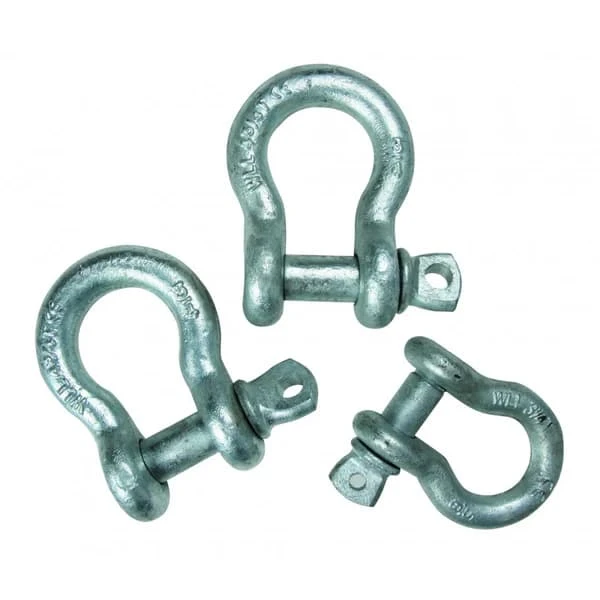

When it comes to heavy lifting and rigging operations, the integrity of the equipment used is paramount to ensure the safety of all personnel involved. Lifting shackle are crucial components in the lifting and rigging industry, providing a reliable connection between lifting equipment and the load. However, improper use or maintenance of these shackles can lead to catastrophic failures, resulting in injury, loss of life, and significant financial repercussions. This article delves into the essential safety practices for using lifting shackles, ensuring that operations are carried out smoothly and responsibly.
Understanding Lifting Shackles
Lifting shackles are versatile devices made from metal, typically used to connect chains, slings, and other lifting apparatus to the load being lifted. They come in various shapes and sizes, each designed for specific applications. The most common types are the D-shackle and the bow shackle, each offering unique advantages depending on the lifting scenario. D-shackles are characterized by their straight sides and are ideal for loads requiring a direct lift, while bow shackles, with their rounded shape, can handle multiple connections and provide a wider opening for slings.
Understanding the specifications of lifting shackles is crucial. Each shackle is rated for a specific load capacity, usually denoted by a Working Load Limit (WLL). Exceeding this limit can lead to metal fatigue and eventual failure, making it essential for users to be aware of the shackle's ratings and to select the appropriate shackle for the task at hand.
Inspecting Lifting Shackles Before Use
A vital safety practice is the inspection of lifting shackles prior to use. This inspection should encompass both visual and physical checks to ensure the shackle is in good condition. Operators must look for any signs of wear and tear, such as cracks, deformation, or excessive rust. If a shackle has visible damage or does not meet the manufacturer’s specifications, it should be removed from service immediately.
Additionally, operators should perform a functional test of the shackle to ensure it operates smoothly. This includes checking the pin for ease of removal and reattachment, as well as ensuring that the threads are intact. The importance of this inspection cannot be overstated; it is a simple yet effective way to prevent accidents before they occur.
Proper Use of Lifting Shackles
Using lifting shackles properly is key to ensuring safety during lifting operations. One of the primary considerations is the orientation of the shackle during use. Shackles should always be positioned to allow the load to be lifted vertically. If a shackle is loaded in a sideways manner, it can lead to a significant reduction in its load capacity, risking failure.
Furthermore, when connecting shackles to slings or other lifting devices, it is important to follow best practices. The shackle pin should be properly secured to prevent it from loosening during the lift. It is also advisable to avoid using shackles in extreme temperatures, as this can affect the metal's integrity. If shackles are subjected to heat or corrosive environments, they should be inspected more frequently to ensure they remain safe for use.
Understanding the Load Dynamics
Before any lifting operation, it is essential to understand the load dynamics involved. This includes comprehending the weight of the load, the center of gravity, and how these factors affect the stability of the lift. Lifting shackles play a critical role in this process, as they are the link between the load and the lifting equipment.
Operators need to calculate the total weight of the load and ensure that the combined WLL of all shackles used exceeds this weight. Additionally, it is important to consider dynamic loads, which are loads that may shift or change during the lift. Properly calculating these dynamics helps operators choose the right size and type of shackles for the task, minimizing the risk of accidents.
Training and Certification
To ensure that all safety practices are adhered to, proper training and certification for personnel involved in lifting operations are essential. Training should encompass not only the correct use of lifting shackles but also an understanding of rigging principles, load calculations, and emergency procedures.
By investing in comprehensive training programs, companies can foster a culture of safety that permeates through all levels of the organization. Employees who are well-informed about the risks associated with lifting operations and who are trained in safe practices are significantly less likely to be involved in accidents. Regular refresher courses can also help keep safety at the forefront of employees' minds.
Maintaining Lifting Shackles
Regular maintenance of lifting shackles is crucial to ensure their longevity and reliability. After each use, shackles should be cleaned to remove any dirt, debris, or corrosive substances that may have accumulated. Regular lubrication of the pin threads can also help maintain functionality and prevent seizing.
It is advisable to follow a strict maintenance schedule that includes periodic inspections by a qualified professional. This ensures that any wear or damage is identified early and addressed promptly. A well-maintained lifting shackle not only enhances safety but also improves operational efficiency, leading to smoother lifting operations overall.
Conclusion
In conclusion, the safe use of lifting shackles is a multifaceted endeavor that requires diligence, training, and a commitment to best practices. By understanding the specifications, conducting thorough inspections, adhering to proper usage guidelines, and investing in training, companies can significantly mitigate the risks associated with lifting operations. The importance of these practices cannot be overstated, as they are integral to ensuring the safety of personnel and the integrity of the lifting process.
For those looking to enhance their lifting operations, visiting a trusted supplier such as UK Lifting Store can provide access to high-quality lifting shackles and equipment. Take the first step towards a safer lifting operation today—explore your options and ensure your team is equipped with the best tools for the job.










Sign in to leave a comment.