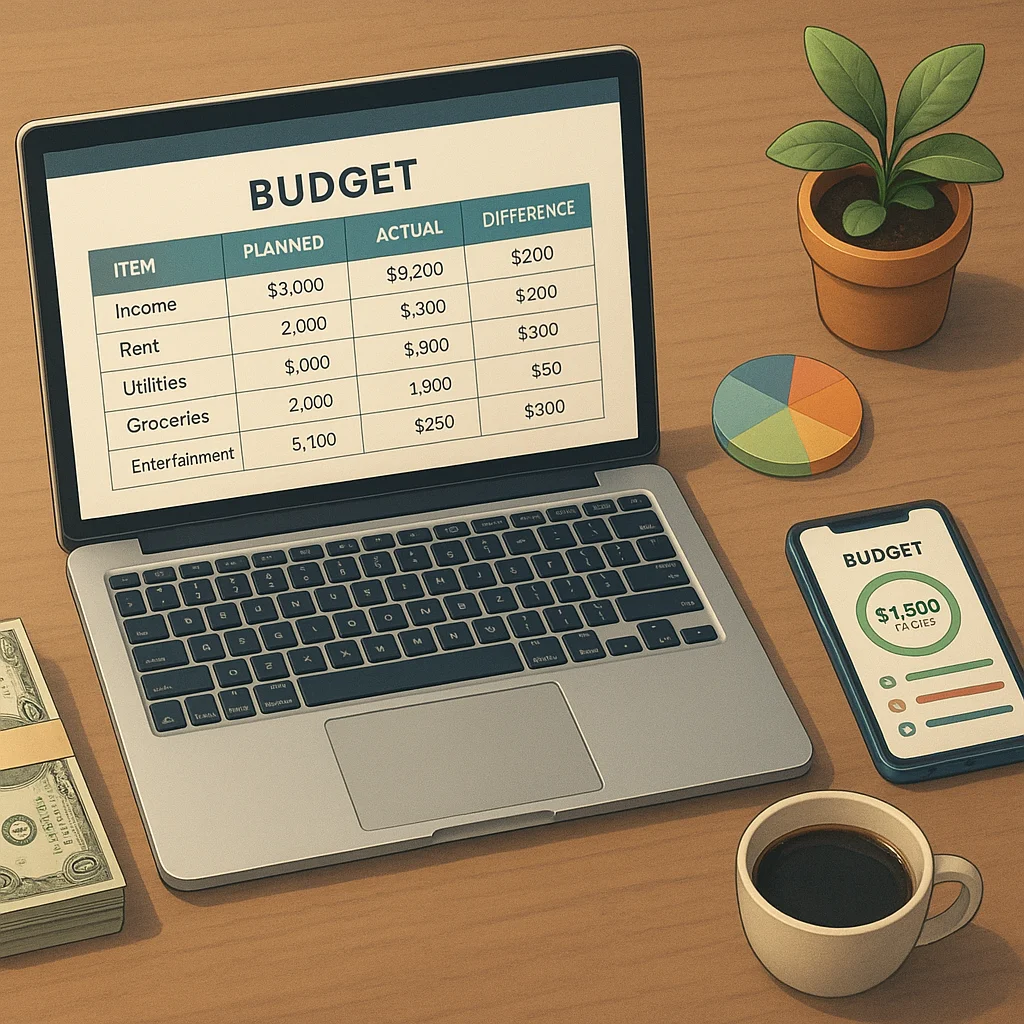

Setting the Scene: The Lagos Hustle and the Urgency of Budgeting
In the heart of Lagos, where the city never truly sleeps, the pulse of the hustle beats loud and relentless. Market stalls brim with goods, motorbikes weave through traffic, and countless side hustles fuel the dreams of millions aiming to secure financial stability. Yet, amid this vibrant economic swirl, many find their earnings stretched thin, swallowed by unforeseen expenses or poor money management. It’s here that budgeting tips become indispensable tools, not just for survival but for thriving.
According to recent surveys by Nigerian financial institutions, over 60% of Lagos residents engage in at least one form of side hustle, supplementing their primary income. However, less than half maintain a structured budget. This disparity often leads to missed savings opportunities and financial stress. Reflecting the wisdom of an old Yoruba proverb, "Ajá tó bá gbẹ́kẹ̀ lé ní kó mọ́ ibi tí olóko ń lọ" (A dog that trusts its owner does not know where the owner is going), many hustle without a clear financial plan, risking their hard-earned income.
For the aspiring entrepreneur or everyday worker in Lagos, mastering budgeting is akin to charting a map through the busy, unpredictable streets of the city — it guides decisions, enables growth, and curtails the chaos. This article will explore budgeting from the grassroots level, weaving in practical advice for those managing personal finances and side hustles, enriched by contemporary data and expert insights.
Historical Context: How Budgeting Became Essential in Nigerian Households
Budgeting as a practice in Nigerian households was once considered a luxury, often overshadowed by the immediacy of daily needs and the unpredictability of income streams. Traditionally, families relied on communal support systems, with informal savings clubs like esusu or ajo acting as financial buffers. Over time, as urbanization accelerated and the formal economy expanded, the complexity of household expenses increased.
The advent of mobile banking and fintech platforms in the 2010s revolutionized financial inclusion, making money management more accessible. However, economic challenges such as inflation, currency fluctuations, and irregular income patterns underscored the critical need for disciplined budgeting. A 2025 report by the Central Bank of Nigeria highlighted that inflation rates hovering above 15% in preceding years drastically eroded purchasing power, pushing many Nigerians to rethink how they allocate resources.
Moreover, the rise of side hustles—ranging from online freelancing to small-scale trading—added layers to personal finance that traditional budgeting methods did not fully address. This shift called for more nuanced approaches to budgeting, integrating irregular incomes, and variable expenses. The evolution of budgeting in Nigeria reflects a broader story of adapting age-old wisdom to modern economic realities, encouraging households to take control of their financial narratives.
Core Budgeting Strategies: Data-Driven Approaches for Side Hustlers and Families
Effective budgeting balances income and expenses, ensuring that even the smallest naira works toward financial goals. For many Nigerians juggling multiple income streams, a structured approach is vital. Recent studies by financial advisors in Lagos reveal that individuals who employ systematic budgeting techniques save up to 30% more annually compared to those who do not.
Here are key strategies backed by data and practical experience:
- Track Every Naira In and Out: Use apps or simple notebooks to record all income sources, including side hustles. According to a 2026 survey by WriteUpCafe, 70% of successful budgeters credit detailed tracking as their foundation.
- Prioritize Essential Expenses: Categorize spending into essentials (food, rent, utilities) and non-essentials. This prioritization helps avoid overspending on fleeting desires.
- Set Realistic Savings Goals: Aim to save at least 10-20% of total income monthly. Even small amounts add up, as the saying goes, "Little drops of water make the mighty ocean."
- Use the Envelope System: Allocate cash for different expense categories. This physical separation curbs impulsive spending.
- Plan for Irregular Expenses: Set aside funds monthly for annual or unexpected costs like school fees or equipment repair.
Additionally, embracing digital tools tailored to Nigerian users, such as PiggyVest or CowryWise, simplifies budgeting and encourages disciplined saving. These platforms reflect the evolving financial ecosystem, making budgeting more accessible and interactive.
"Budgeting is not about restricting yourself; it’s about making your money work for you," affirms financial planner Tunde Adeyemi, emphasizing the mindset shift necessary for sustainable financial health.
Developments in 2026: How Technology and Trends Shape Budgeting Today
This year, 2026, ushers in new opportunities and challenges for budgeting, especially in emerging markets like Nigeria. The integration of artificial intelligence into personal finance apps has enhanced predictive budgeting, enabling users to anticipate expenses and adjust their plans proactively. For Lagos hustlers, this means less guesswork and more informed decisions.
Furthermore, the Nigerian government's recent initiatives to promote financial literacy have increased awareness about budgeting benefits. Campaigns through social media and community workshops are empowering younger generations to adopt budgeting early. According to Afro, the trend of joy-based budgeting, which focuses on aligning spending with personal happiness and financial goals, is gaining traction, resonating well with Nigerian youth who balance cultural expectations with modern aspirations.
In parallel, inflationary pressures remain a concern. With food prices seeing a steady climb, families must adapt their budgets dynamically. Side hustlers in sectors like agriculture and digital services are also adjusting their financial plans to cope with market fluctuations. The rise of the gig economy in Nigeria, fueled by platforms facilitating freelance work, calls for flexible budgeting strategies that accommodate income variability.
These developments highlight a financial landscape that rewards agility and informed planning. Staying updated with the latest tools and trends is crucial for anyone serious about managing their money effectively.
Financial analyst Amina Yusuf remarks, "In 2026, budgeting is no longer static; it’s a living process shaped by technology, culture, and economic realities."
Expert Insights: What Financial Professionals Recommend for Sustainable Budgeting
Experts underscore that budgeting is not a one-size-fits-all solution. Nigerian financial advisors advocate for personalized budgeting plans that reflect individual circumstances, goals, and income patterns. For those balancing multiple hustles, experts recommend separating accounts or virtual wallets per income source to maintain clarity.
Moreover, consistent review and adjustment are vital. Quarterly budget check-ins can reveal spending leaks or opportunities for reallocation. According to insights shared on WriteUpCafe's Expert Budgeting Tips for 2026, this iterative approach transforms budgeting from a chore to a strategic tool.
Also important is the integration of family or community support in budgeting. Many Nigerian households pool resources and share financial responsibilities. Experts suggest transparent communication and collective goal setting to reinforce discipline and accountability.
Here are expert-recommended practices:
- Maintain an emergency fund covering 3-6 months of expenses.
- Automate savings to reduce the temptation of spending.
- Leverage community savings groups for additional financial security.
- Invest in financial education continuously to enhance budgeting skills.
These insights align closely with cultural values of resilience and mutual support, ensuring that budgeting is both practical and culturally congruent.
Looking Ahead: Future Trends and Takeaways for Budgets That Work
As we look to the future, budgeting will increasingly intertwine with technology and evolving economic conditions. The rise of blockchain-based financial tools could offer greater transparency and control for budgeters, while AI-driven analytics may predict spending trends with unprecedented accuracy.
For Nigerians, especially those in Lagos’s dynamic economy, the challenge will be to harness these innovations without losing sight of foundational principles: discipline, clarity, and adaptability. The proverb "Ìrètí kì í tan nílé ayé" (Hope never runs out on earth) reminds us that with the right budgeting habits, financial aspirations remain within reach despite challenges.
To build a resilient budget, consider these forward-looking steps:
- Embrace financial tools but customize them to your lifestyle.
- Incorporate side hustle income strategically, avoiding overdependence on any one source.
- Prioritize continuous learning; financial landscapes shift rapidly.
- Maintain community connections for support and shared wisdom.
For comprehensive guidance, readers can explore related articles like Essential Budgeting Tips for 2026 and Top Budgeting Tips for 2026: Maximize Your Savings Now to deepen their understanding and sharpen their budgeting skills.
Ultimately, budgeting in Nigeria today is a bridge between tradition and modernity, a tool that, when wielded wisely, can transform the daily hustle into lasting prosperity.






















Sign in to leave a comment.