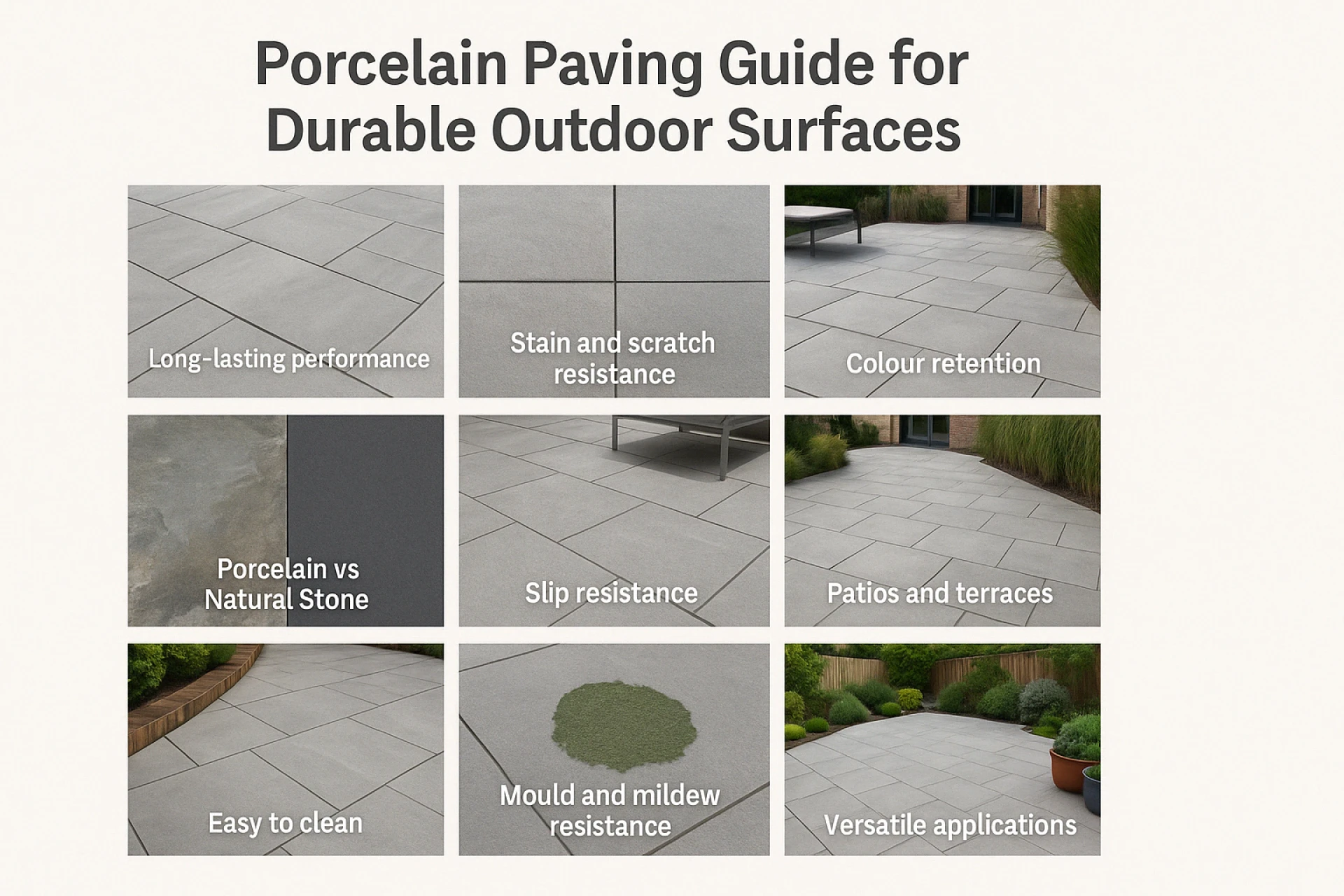

Why Choose Porcelain Paving for External Areas
Long-lasting performance in all weather
Porcelain paving stands out for its resilience, especially in the unpredictable British climate. Unlike some materials that absorb water and deteriorate over time, porcelain is virtually impermeable. This resistance to moisture means it won't crack during freeze-thaw cycles, making it ideal for year-round use across patios, paths, or courtyards. Its dense composition also reduces the risk of moss or algae growth, which can become hazardous when wet.
What makes porcelain even more reliable outdoors is its structural integrity. Manufactured at extremely high temperatures, it becomes a dense, durable slab with low water absorption. This not only enhances its longevity but also ensures consistent strength throughout each tile, reducing the risk of surface wear or chipping even in high-traffic spaces.
Stain and scratch resistance
For homeowners and landscapers seeking low-maintenance materials, porcelain is a smart choice. Its non-porous surface prevents liquids like wine, oil, or muddy water from penetrating the tile. This quality makes it less prone to staining than porous alternatives, ensuring the surface remains clean and attractive with minimal effort.
In addition to resisting stains, porcelain paving is remarkably tough against scratches. Whether garden furniture is moved frequently or children are at play, the paving holds its appearance. These scratch-resistant properties mean the surface stays pristine longer without needing frequent refinishing or polishing.
Colour retention and low porosity
Outdoor paving often fades under prolonged exposure to sunlight. Porcelain, however, holds its colour extremely well. UV resistance is built into the manufacturing process, which helps preserve its appearance for years without needing extra treatments or finishes.
Low porosity also contributes to porcelain’s enduring appeal. Because it doesn’t absorb moisture or dirt, cleaning is effortless, and the paving remains hygienic and free from bacterial build-up. Whether it’s a lightly textured slab or a smooth large-format tile, porcelain offers a reliable and attractive surface that ages gracefully.
Comparing Porcelain to Other Outdoor Materials
Porcelain vs Natural Stone
While natural stone has an organic charm, porcelain offers unmatched uniformity and durability. Stone can vary in texture and porosity, making it susceptible to staining and erosion over time. Porcelain replicates the aesthetic of stone through printed surface designs but adds a layer of predictability in both performance and appearance.
Natural stone also requires sealing and more regular upkeep. By contrast, porcelain needs little more than occasional cleaning with water or a neutral detergent. This practicality, combined with its modern design options, makes it a preferred choice for those looking to replicate stone effects without the maintenance.
Maintenance differences between concrete and porcelain
Concrete paving is often seen as cost-effective but can show wear quickly. It’s porous, stains easily, and may crack or discolour with age. Regular sealing and power washing are often needed to keep it looking decent, which adds to long-term maintenance efforts.
Porcelain requires far less attention. Its tough exterior resists discolouration and does not need sealing, even in high-traffic or exposed areas. Over time, the investment in porcelain pays off through reduced maintenance and consistent visual quality, especially in contemporary or minimalist garden designs.
Safety underfoot: slip resistance explained
Safety is a priority for outdoor surfaces, especially in wet or icy conditions. Porcelain paving is manufactured with slip-resistant finishes that offer extra grip without compromising style. These textured surfaces are tested to meet safety standards, particularly important around pools, entrances, or sloped areas.
Unlike polished stone or smooth concrete, porcelain’s engineered textures help prevent slipping while still being easy to clean. It offers peace of mind for families or commercial spaces, especially where footfall is high or surfaces are likely to get wet during the winter months.
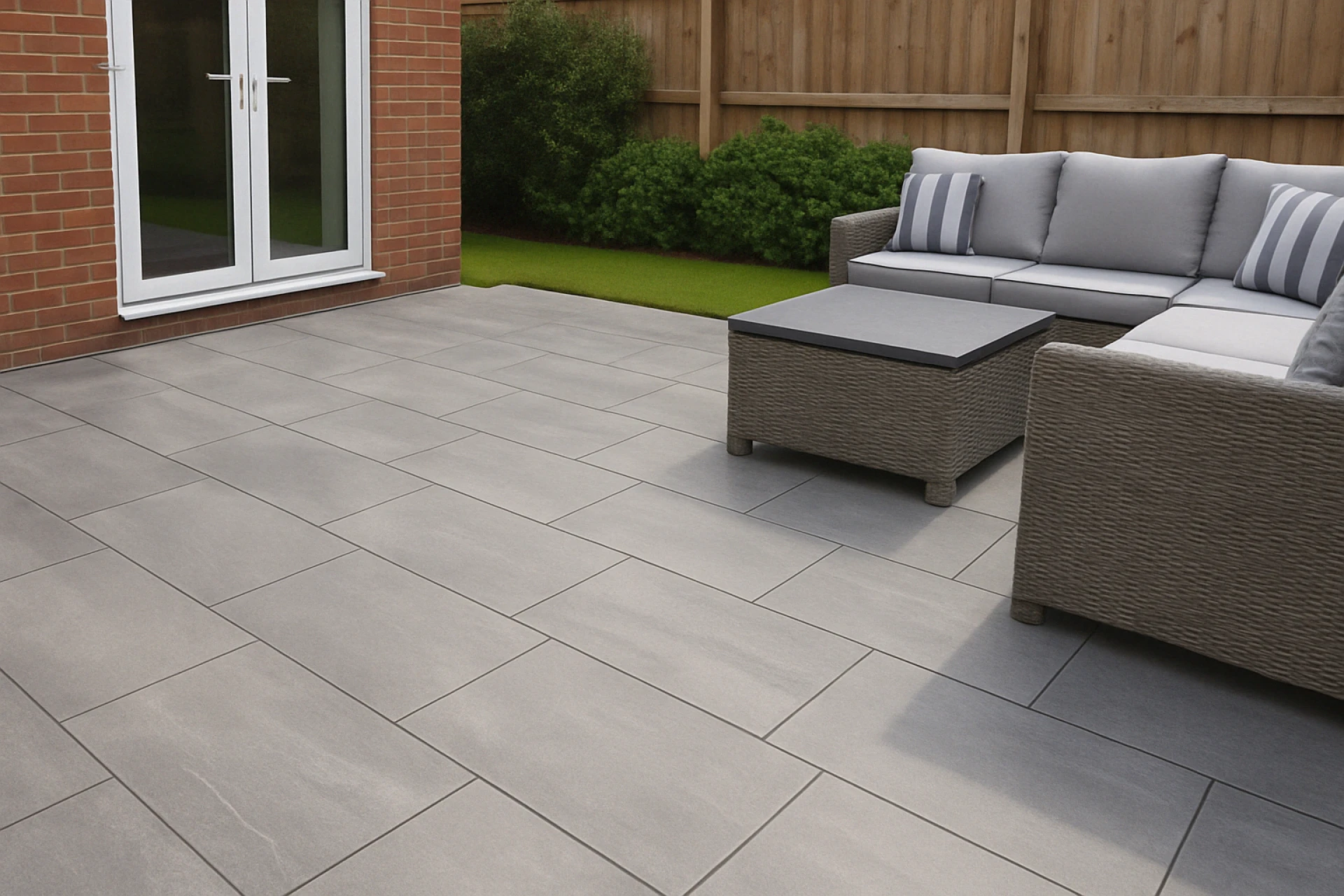
Ideal Applications for Porcelain Slabs
Patios and terraces
Porcelain paving is particularly well-suited to patios and terraces, where visual consistency and durability matter most. These outdoor living areas benefit from porcelain’s sleek appearance, as the tiles are available in a wide variety of colours, patterns, and finishes that suit modern or traditional garden styles. Large-format slabs can create a seamless look, while textured surfaces enhance comfort underfoot.
The practical advantages are equally compelling. Porcelain tiles do not suffer from efflorescence or surface degradation caused by weather or garden chemicals. Their resistance to dirt, moss, and discolouration means outdoor entertaining areas stay looking fresh with minimal effort, even after heavy rain or long periods of use.
Driveways and pathways
Thanks to their strength and density, outdoor-grade porcelain slabs can withstand the pressure of vehicle traffic when installed correctly. For driveways, this makes them a viable alternative to concrete or block paving, particularly when a more elegant finish is desired. Their scratch resistance ensures the surface remains tidy even when cars are turned or parked frequently.
For pathways, porcelain offers a more refined option than gravel or timber, both of which degrade quickly in damp environments. Anti-slip surfaces and consistent sizing help maintain accessibility, while the wide range of colours and edge profiles allows paths to be tailored to the overall landscaping design.
Commercial and residential versatility
Porcelain paving is increasingly popular in both domestic and commercial settings. In residential projects, it lends itself to patios, balconies, pool surrounds, or rooftop gardens. Its uniformity and easy maintenance appeal to homeowners wanting a clean, modern space with minimal upkeep.
In commercial applications—such as outdoor dining areas, retail frontages, or communal gardens—porcelain’s durability and anti-slip finishes meet safety requirements while still looking refined. Unlike timber decking or natural stone, it holds up well under constant foot traffic and needs less frequent cleaning or replacement, making it a cost-effective long-term choice.
Choosing the Right Finish and Thickness
Matt, textured, or polished?
Choosing the right finish depends on both function and style. Matt porcelain tiles are popular in outdoor settings for their subtle, understated aesthetic and practical anti-slip qualities. They offer a soft surface sheen without glare, blending effortlessly with natural surroundings.
Textured finishes take safety and grip a step further, ideal for areas near water features or swimming pools. These tiles are deliberately rougher to enhance traction. Polished porcelain, while attractive, is generally reserved for indoor use due to its smooth surface, which can become slippery when wet and isn't suited to exposed external conditions.
Best thickness for high-traffic areas
Thickness plays a major role in performance. Most outdoor porcelain slabs are 20mm thick, offering enough strength to support regular use in gardens, terraces, or pedestrian zones. For driveways or commercial areas, thickness may need to increase or be paired with reinforced bedding systems for stability.
Using the right thickness reduces the risk of cracking or flexing under pressure. It also contributes to a longer-lasting installation, as thinner tiles, when used incorrectly, may become unstable or lift over time. Matching the product to its intended use ensures long-term reliability and safety.
Size and shape options
Porcelain slabs are available in a range of sizes, from compact 600x600mm squares to large-format tiles over 1200mm long. Larger slabs create an open, modern feel with fewer joints, while smaller or modular formats can introduce texture and variety to compact areas or intricate designs.
Shape can be just as important as size. Rectangular planks mimic timber decking for a contemporary finish, while uniform square slabs work well in more structured gardens. The wide choice of layouts allows for creative patterns, borders, and zoning within outdoor areas, giving flexibility in both aesthetics and function.
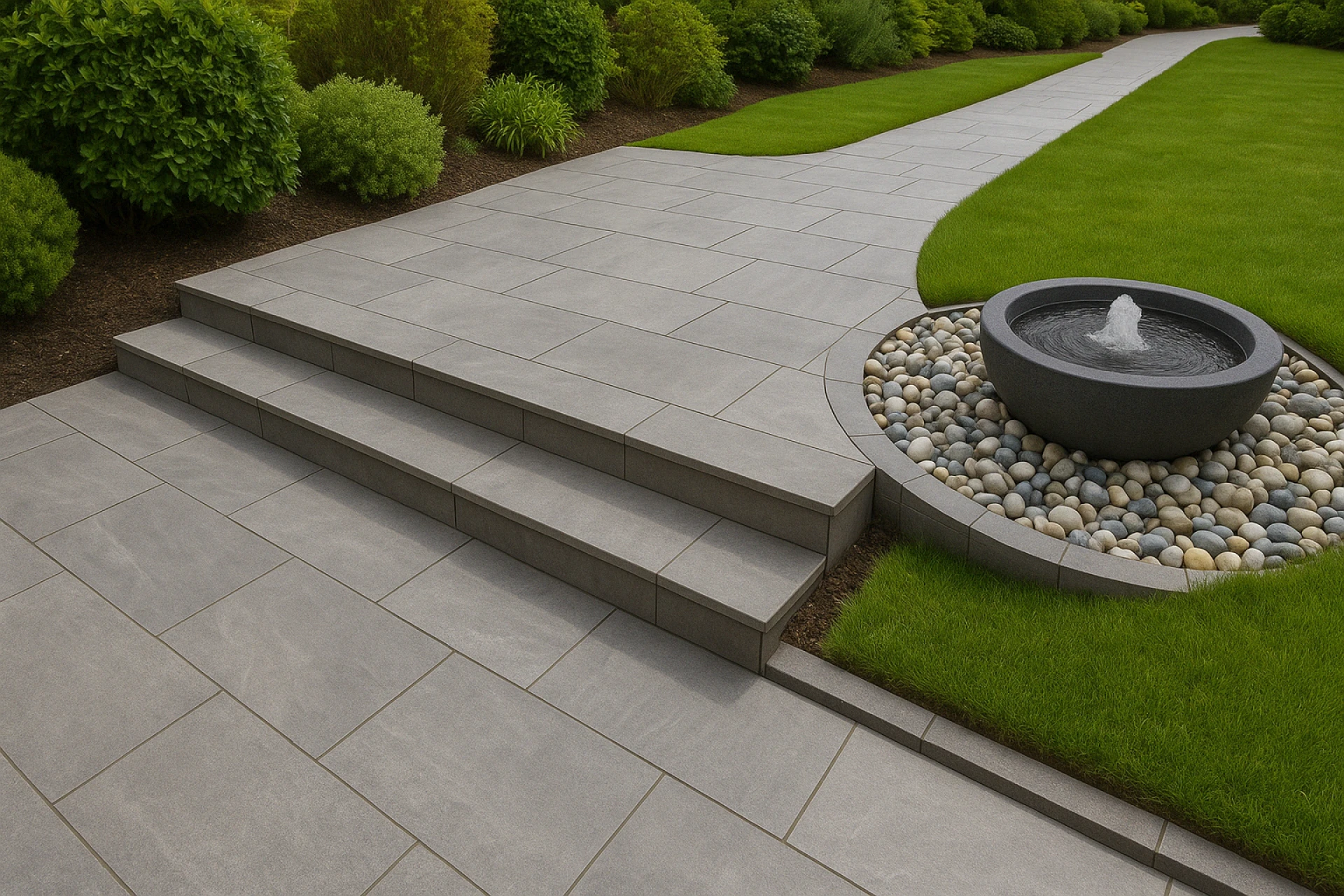
Installation Advice for Outdoor Porcelain Tiles
Sub-base preparation essentials
A successful porcelain paving installation starts with solid sub-base preparation. Unlike porous stone, porcelain requires a rigid, level surface to prevent movement and cracking. Typically, this involves compacting a MOT Type 1 base to a depth of 100–150mm, depending on the ground conditions and intended use. A full mortar bed is then laid to ensure even support across the entire tile.
Any unevenness or shortcuts at this stage can lead to long-term issues. Because porcelain does not flex or absorb impact like softer materials, it relies entirely on the sub-base for stability. Correct installation prevents slab rocking, joint failure, and water pooling, all of which can shorten the lifespan of the paved surface.
Grouting, sealing, and cutting tips
Outdoor porcelain tiles need joints of at least 5mm, filled with a flexible external-grade grout that can handle expansion and contraction. This helps maintain a consistent appearance and prevents weed growth or water ingress. Unlike natural stone, porcelain doesn’t usually require sealing, though some installers opt to seal the grout lines for added protection.
Cutting porcelain is more demanding than softer materials due to its density. A high-quality diamond blade, wet cutter, or bridge saw is essential for achieving clean, accurate cuts. Dry cutting tools are best avoided, as they can cause chipping and pose safety risks without proper dust control.
Tools and materials checklist
Essential tools include a cement mixer, rubber mallet, trowel, notched spreader, spirit level, and tile spacers. Safety gear such as gloves, safety glasses, and knee pads is also important during installation. For cutting, a water-fed tile saw will deliver the most precise finish with minimal edge damage.
In terms of materials, installers will need cement, sharp sand, SBR bonding agent, external grout, and priming slurry. Using the right products and equipment is crucial when working with porcelain, as incorrect materials can affect adhesion, lead to joint failure, or shorten the product’s lifespan.
Maintaining Porcelain Paving Over Time
Simple cleaning methods
One of the biggest advantages of porcelain paving is how easy it is to clean. Regular maintenance usually involves brushing away debris and washing with a mild detergent diluted in warm water. A soft-bristled brush or mop works well for routine cleaning, and pressure washers can be used occasionally for more stubborn dirt—provided they’re used at a safe distance.
Because porcelain doesn’t absorb water or stains, there’s no need for harsh chemicals or intensive scrubbing. Spilled drinks, muddy shoes, or fallen leaves can be wiped away quickly, leaving the surface as bright and fresh as the day it was laid. This practicality is a major reason why porcelain is becoming the go-to for outdoor settings.
Preventing mould and mildew build-up
Thanks to its low porosity, porcelain resists the growth of algae, moss, and mildew far better than porous alternatives. Still, in damp or shaded areas, some surface growth may appear over time. Light staining or green patches can usually be removed with warm soapy water or an algae remover designed for porcelain surfaces.
Good drainage and airflow around the paved area help prevent moisture from lingering, which in turn reduces the chance of mould growth. Raised planters, gravel borders, or a gentle slope away from the home can make a noticeable difference in keeping the area fresh and dry all year round.
When to reseal – and when not to
Unlike natural stone, outdoor porcelain does not require sealing to protect its surface. The tile’s dense, vitrified structure naturally prevents water absorption, fading, or discolouration. However, some homeowners choose to seal the grout lines to limit staining and make cleaning easier.
If sealing is used, it should be a breathable product designed specifically for external paving and applied only to clean, dry surfaces. Routine reapplication is not usually needed unless the surface endures heavy use or industrial pollutants. Most residential settings benefit from leaving porcelain untreated to retain its natural, low-maintenance appeal.
Matching Porcelain with Garden Slabs and Other Features
Blending materials for visual appeal
Porcelain paving can be easily paired with other materials to create a layered, intentional outdoor design. Using it alongside traditional garden slabs allows for a contrast in textures, colours, or patterns that bring definition to outdoor zones. For example, porcelain can frame gravel beds or seating areas, providing clean lines and a modern edge against rustic materials.
This mix-and-match approach also works well when integrating pathways, borders, or planting beds. By combining porcelain’s crisp finish with more organic surfaces, designers can achieve balance and interest without compromising on durability. The key is to choose a unifying colour palette or recurring detail, such as edge profiles or joint widths, to maintain cohesion throughout the garden.
Creating defined zones with edging
Edging plays a functional and aesthetic role in paving design. With porcelain, it's possible to introduce edging setts or borders that segment different spaces—like a transition from patio to lawn, or a divide between cooking and lounging zones. This helps structure an outdoor area while also preventing paving movement over time.
Using contrasting materials, such as darker porcelain against pale slabs, creates a clear boundary and adds a tailored feel. Alternatively, matching porcelain edging can produce a seamless look, particularly effective in contemporary spaces. Either option enhances usability and strengthens the design intent without adding complexity to the layout.
Complementing landscaping elements
Porcelain paving complements a wide range of garden features, from fire pits and water features to pergolas and raised planters. Its clean finish contrasts nicely with textured foliage and organic shapes, making it a suitable backdrop for planting schemes and outdoor furniture. Pale tones enhance a sense of space, while darker shades offer dramatic definition in smaller plots.
Lighting also plays a role. Up-lighting porcelain edges or inlaying soft LED strips between slabs can accentuate pathways or highlight dining areas, especially in evening settings. Because porcelain is stable and fade-resistant, it remains visually striking under changing conditions, creating a polished look that supports every other element in the landscape.







Sign in to leave a comment.