Technologies Used in On-Demand App Development
On-demand apps have transformed industries like food delivery, ride-hailing, healthcare, and home services in the USA. Businesses rely on strong technology stacks to deliver fast, scalable, and reliable services. For any on demand app development company, choosing the right technologies is the foundation of success.
Frontend Technologies (User Interface)
Frontend technologies focus on how users interact with the app.
Key Technologies:
- Flutter – Cross-platform development with a single codebase
- React Native – Popular for building fast mobile apps
- Swift (iOS) – Native development for Apple devices
- Kotlin (Android) – Modern language for Android apps
These technologies help an on demand app development company create responsive and visually appealing apps.
Backend Technologies (Server Side)
Backend technologies manage data, servers, and business logic.
Common Backend Tech Stack:
- Node.js – Fast and scalable for real-time apps
- Python (Django/Flask) – Secure and flexible
- Java (Spring Boot) – Enterprise-level applications
- PHP (Laravel) – Cost-effective and widely used
Backend systems handle user requests, payments, notifications, and more.
Database Technologies
Databases store and manage large volumes of data.
Popular Choices:
- MySQL / PostgreSQL – Relational databases
- MongoDB – NoSQL database for flexible data storage
- Firebase Realtime Database – Real-time syncing
A reliable database ensures smooth performance and quick data retrieval.
Cloud and Hosting Technologies
Cloud platforms help apps scale and handle high traffic.
Leading Cloud Services:
- AWS (Amazon Web Services)
- Google Cloud Platform
- Microsoft Azure
Benefits include:
- High scalability
- Secure data storage
- Global server availability
Every modern on demand app development company relies on cloud infrastructure.
Real-Time Technologies
On-demand apps require real-time updates for tracking and communication.
Technologies Used:
- WebSockets – Real-time communication
- Firebase – Instant data syncing
- Socket.IO – Live notifications and chat
These technologies enable features like live tracking and instant updates.
GPS and Location Tracking
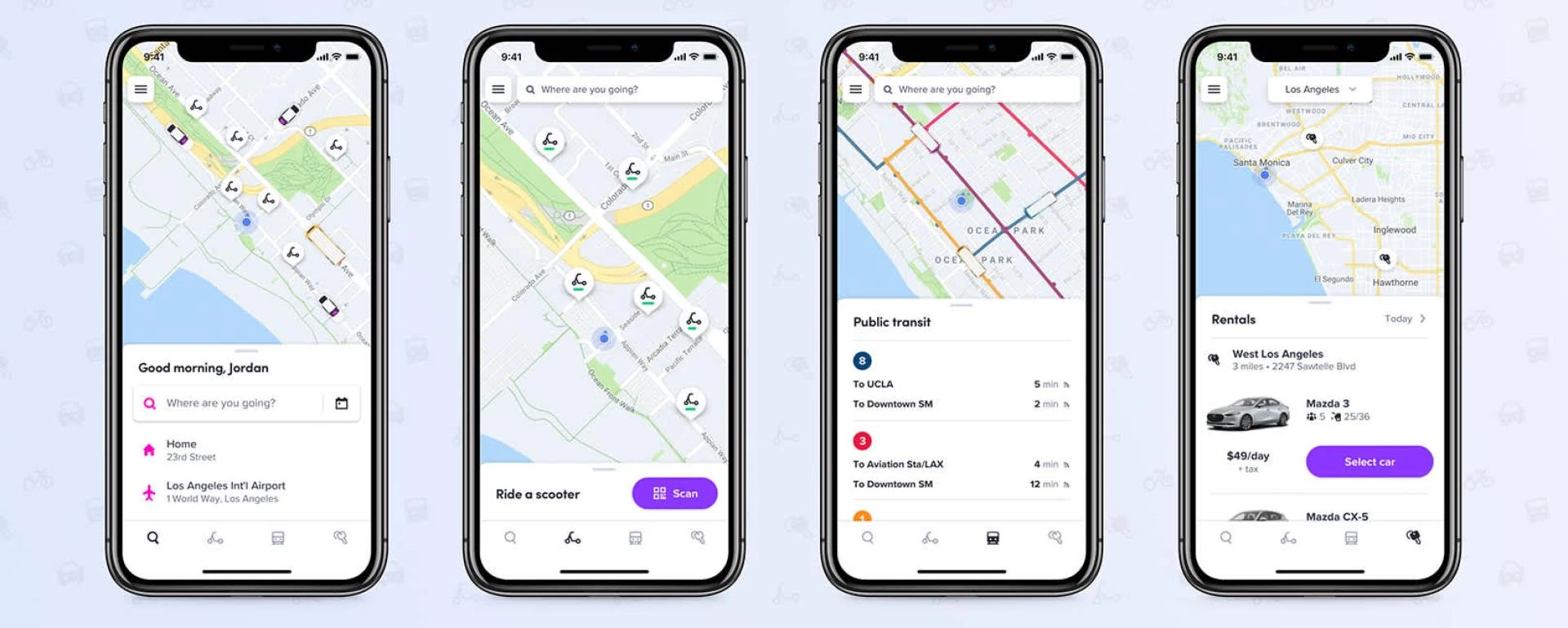
Location tracking is essential for apps like ride-hailing and delivery services.
Tools and APIs:
- Google Maps API
- Mapbox
- Geolocation APIs
Features enabled:
- Real-time tracking
- Route optimization
- Distance calculation
Payment Gateway Integration
Secure payment systems are critical for on-demand apps.
Popular Payment Gateways:
- Stripe
- PayPal
- Razorpay
Features include:
- Multiple payment options
- Secure transactions
- Wallet integration
Push Notifications and Messaging
Push notifications keep users engaged and informed.
Tools Used:
- Firebase Cloud Messaging (FCM)
- OneSignal
Use cases:
- Order updates
- Promotional offers
- Alerts and reminders
Security Technologies
Security is essential to protect user data and transactions.
Key Security Measures:
- SSL Encryption
- OAuth Authentication
- Two-Factor Authentication (2FA)
A trusted on demand app development company ensures strong security implementation.
AI and Machine Learning
AI is becoming a core part of on-demand apps.
Use Cases:
- Personalized recommendations
- Demand forecasting
- Fraud detection
- Chatbots
AI improves user experience and business efficiency.
DevOps and CI/CD Tools
DevOps ensures smooth development and deployment.
Tools Used:
- Docker
- Kubernetes
- Jenkins
- GitHub Actions
Benefits:
- Faster deployment
- Continuous integration
- Better collaboration
Analytics and Monitoring Tools
Analytics help track app performance and user behavior.
Popular Tools:
- Google Analytics for Firebase
- Mixpanel
- New Relic
These tools help businesses make data-driven decisions.
Third-Party Integrations
On-demand apps often integrate with external services.
Examples:
- SMS APIs (Twilio)
- Email services (SendGrid)
- Social login (Google, Facebook)
These integrations enhance functionality and user experience.
Future Technologies in On-Demand Apps
The future of on-demand app development includes:
- Blockchain for secure transactions
- IoT integration for smart services
- AR/VR for immersive experiences
- Voice-enabled apps
A forward-thinking on demand app development company will adopt these technologies early.
Conclusion
On-demand app development requires a combination of advanced technologies, from frontend frameworks to backend systems and cloud infrastructure. Each component plays a vital role in delivering a seamless user experience.
For businesses in the USA, partnering with a reliable on demand app development company ensures the right technology stack and successful app deployment. By leveraging modern tools and future-ready technologies, companies can build scalable and competitive on-demand solutions.
People Also Ask (FAQs)
1. What technologies are used in on-demand app development?
Frontend frameworks, backend technologies, databases, cloud platforms, and real-time tools are commonly used.
2. Which backend is best for on-demand apps?
Node.js and Python are popular due to scalability and performance.
3. Why is cloud technology important in on-demand apps?
It ensures scalability, security, and high availability.
4. What role does AI play in on-demand apps?
AI improves personalization, demand prediction, and customer support.
5. How do on-demand apps handle real-time tracking?
They use GPS APIs, WebSockets, and real-time databases.
6. Why choose an on demand app development company?
They provide expertise in building scalable, secure, and feature-rich applications.
Sign in to leave a comment.