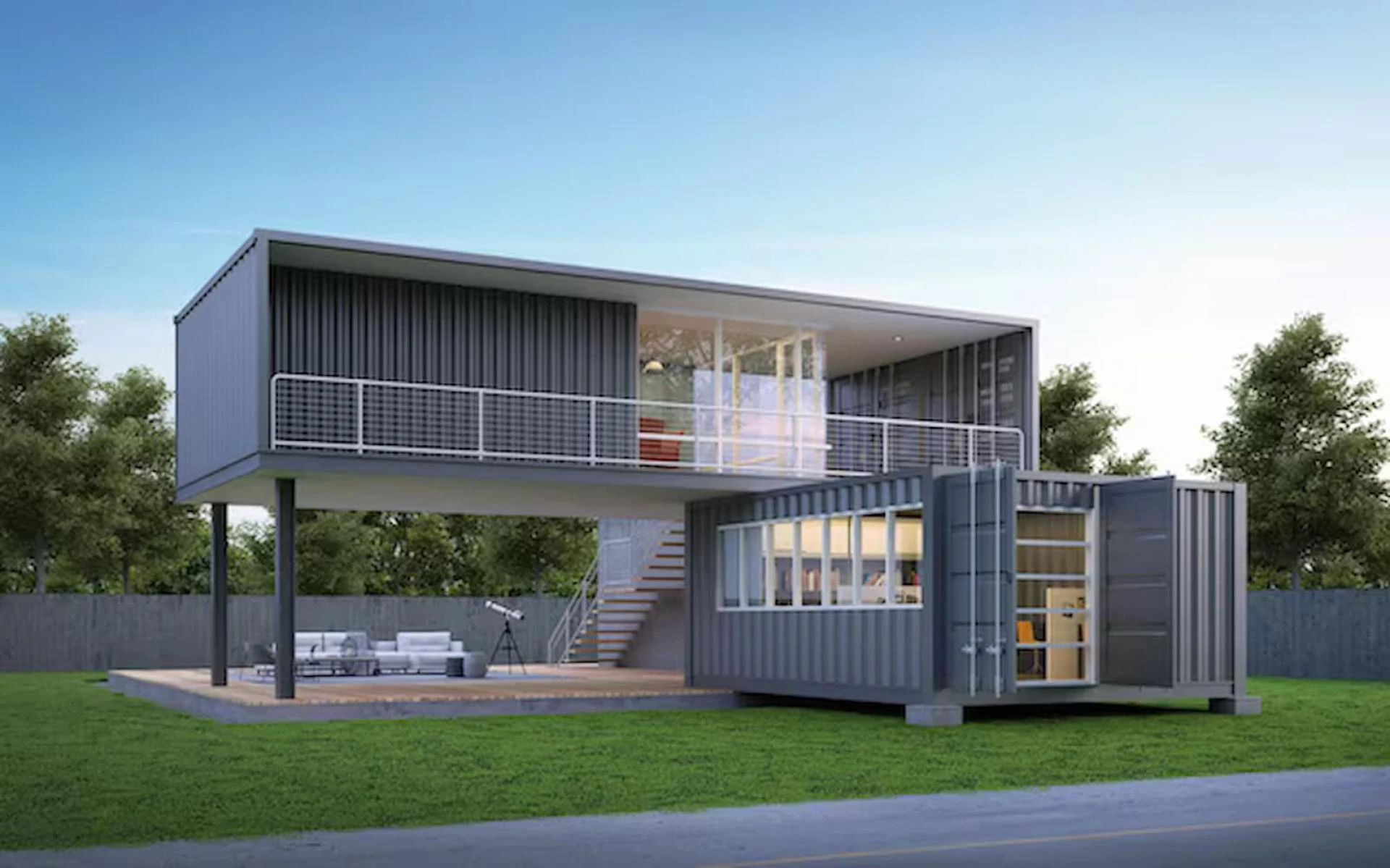

Construction projects demand efficient coordination, clear communication, and secure administration. Whether managing a small residential build or a large scale infrastructure development, having a reliable workspace on site is essential. This is where an office container becomes a practical and valuable solution. Designed to function as a fully operational workspace, an office container provides comfort, organization, and mobility in dynamic construction environments.
As construction timelines become tighter and project sites more complex, the need for flexible site offices continues to grow. An office container offers durability, quick installation, and cost efficiency while meeting the daily operational needs of project managers, engineers, and administrative staff.
This article explores the benefits, features, customization options, and practical considerations of using an office container for construction sites.
Why Construction Sites Need Office Containers
Construction sites are active environments that require strong coordination between teams, contractors, and stakeholders. A dedicated on site workspace enhances productivity and supports project success.
Centralized Project Management
An office container serves as the command center of a construction site. Project managers can conduct meetings, review blueprints, manage schedules, and oversee documentation from a single organized location.
Having administrative operations close to the work area improves communication and allows for faster decision making.
Secure Storage for Documents and Equipment
Construction projects involve sensitive documents, contracts, permits, and technical drawings. An office container provides secure storage to protect these materials from weather and unauthorized access.
Lockable doors, reinforced walls, and secure windows enhance safety for valuable equipment and files.
Improved Efficiency and Communication
On large sites, communication between teams is critical. An office container provides a professional space for coordination meetings, contractor briefings, and safety discussions.
Being physically present on site reduces delays caused by travel and supports immediate problem solving.
Key Features of an Office Container
Modern office container designs go far beyond simple steel boxes. They are built to provide comfort and functionality in demanding environments.
Durable Construction
An office container is typically constructed using reinforced steel frames and weather resistant panels. These materials ensure durability against wind, rain, and temperature changes.
Construction sites often experience harsh conditions, so structural strength is essential for long term performance.
Insulation and Climate Control
Comfortable working conditions are important for productivity. Office containers are equipped with insulation to regulate indoor temperatures.
Air conditioning units and heating systems can be installed to ensure year round comfort, even in extreme climates.
Electrical and Lighting Systems
Reliable electrical systems are crucial for operating computers, printers, and communication equipment. Office containers come with pre installed wiring, lighting fixtures, and power outlets.
Proper lighting enhances visibility for reviewing plans and completing administrative tasks.
Ventilation and Air Quality
Adequate ventilation supports employee wellbeing. Windows and ventilation systems maintain fresh air circulation within the office container.
This is particularly important on construction sites where dust and debris are common.
Customization Options for Construction Site Needs
Every construction project has unique requirements. An office container can be customized to meet specific operational needs.
Interior Layout Configurations
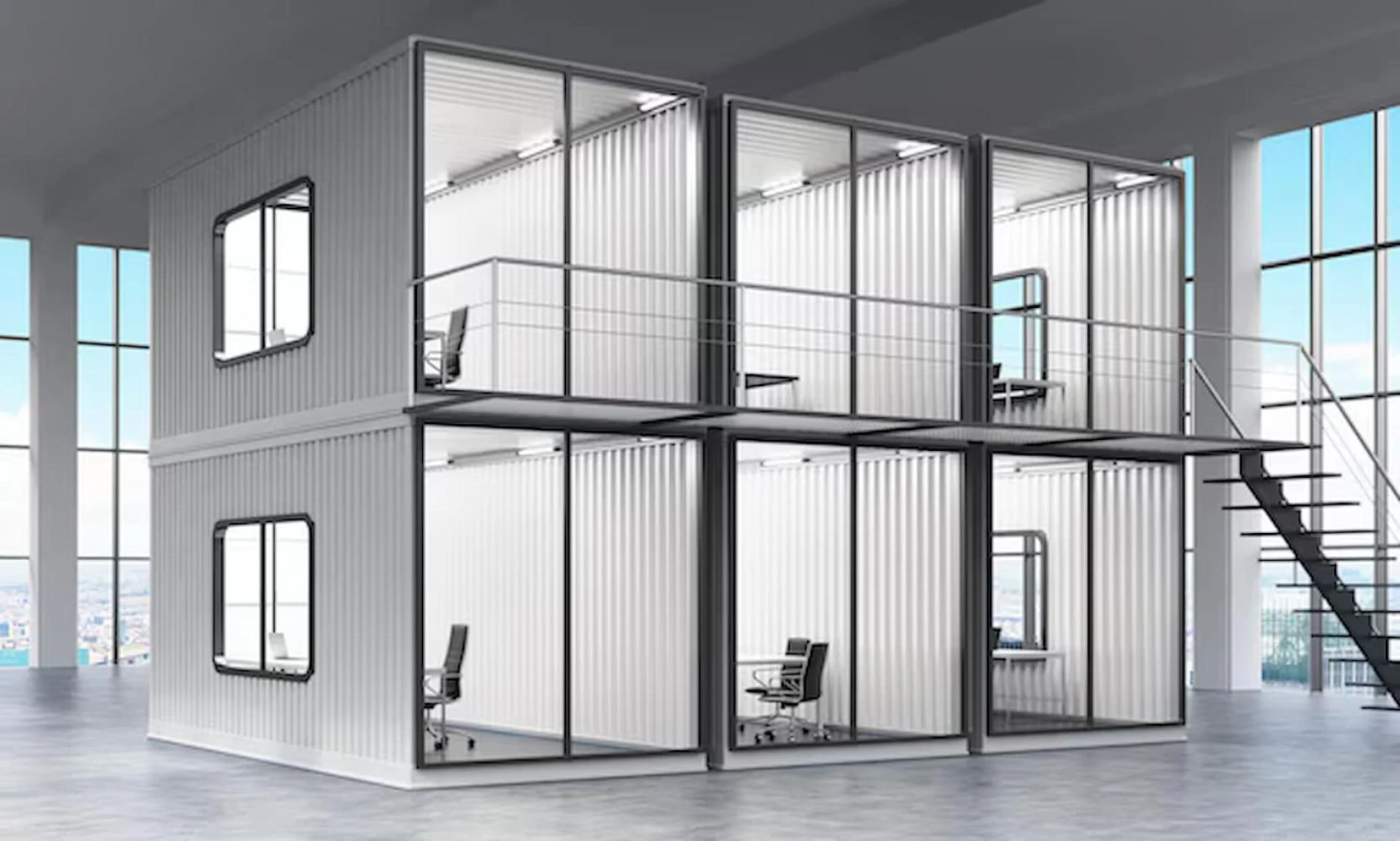
The internal layout can include private cabins, open workstations, meeting areas, or rest zones. Partition walls allow flexible space management.
For larger projects, multiple office container units can be connected to create a more expansive workspace.
Integrated Restroom Facilities
In some cases, office containers can include restroom facilities. This reduces the need for separate sanitation units and enhances convenience for staff.
Storage and Shelving Solutions
Built in shelves and storage cabinets help organize documents, safety equipment, and office supplies. Efficient storage reduces clutter and improves workflow.
Security Enhancements
Additional security features such as reinforced doors, alarm systems, and surveillance cameras can be integrated to protect valuable assets.
Advantages of Using an Office Container on Construction Sites
The popularity of office containers continues to grow because of their practical benefits.
Quick Installation and Setup
Traditional site offices require lengthy construction and preparation. In contrast, an office container can be delivered and installed quickly.
Minimal site preparation is required, allowing construction teams to focus on core project activities.
Mobility and Relocation
Construction projects are temporary by nature. An office container can be relocated to a new site once the project is completed.
This mobility makes it a cost effective long term investment for companies managing multiple projects.
Cost Efficiency
Compared to building a permanent site office, an office container requires lower initial investment. Reduced labor costs and shorter setup times contribute to overall savings.
Ownership also eliminates recurring rental expenses over time.
Scalability for Large Projects
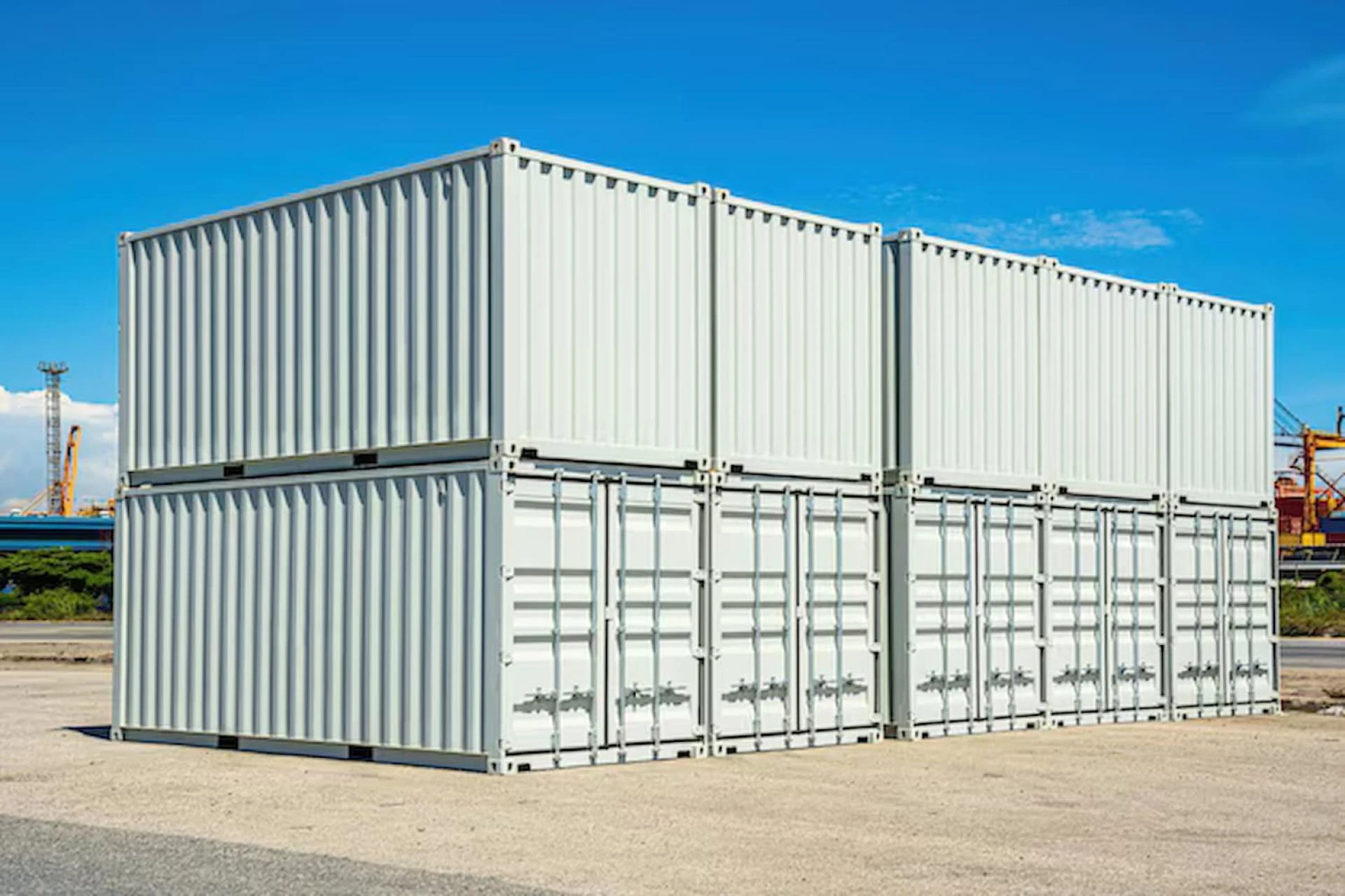
As projects expand, additional office container units can be added. This scalability ensures that workspace capacity matches project demands.
Safety and Compliance Considerations
Safety is a top priority in construction environments.
Meeting Building Regulations
Office containers used on construction sites must comply with local building codes and safety regulations. Fire safety systems, emergency exits, and proper ventilation are essential components.
Structural Stability
Proper foundation support ensures that the office container remains stable on uneven terrain. Level installation prevents structural stress and enhances safety.
Electrical Safety Standards
Professional installation of electrical systems ensures safe operation of equipment. Compliance with electrical standards reduces the risk of accidents.
Practical Placement on Construction Sites
Choosing the right location for an office container improves functionality.
Accessibility
The office container should be placed in an accessible location that allows easy entry for staff and visitors. Proximity to main work zones supports efficient oversight.
Visibility and Security
Positioning the office container where it has clear visibility of the site enhances monitoring capabilities. Well lit surroundings increase safety during evening hours.
Utility Connections
Placement near power and water sources simplifies utility connections and reduces installation costs.
Maintenance and Longevity
A well maintained office container can provide years of reliable service.
Routine Inspections
Regular inspections of structural components, electrical systems, and insulation help identify issues early.
Weatherproofing and Cleaning
Maintaining weather seals and repainting exterior surfaces protects against corrosion and environmental damage.
Equipment Upgrades
As technology advances, office containers can be upgraded with improved lighting, communication systems, or energy efficient appliances.
Environmental Considerations
Sustainability is becoming increasingly important in construction operations.
Reduced Site Waste
Office containers are prefabricated, which reduces on site waste compared to traditional construction of temporary offices.
Reusable Structures
An office container can be reused across multiple projects, minimizing the need for new materials.
Energy Efficient Features
Insulated walls and energy efficient lighting systems help reduce energy consumption.
Supporting Team Productivity
Construction projects rely heavily on effective management and coordination.
Comfortable Working Environment
A well designed office container provides a professional and comfortable workspace that supports focus and productivity.
Professional Appearance
An organized and well maintained office container reflects professionalism to clients, inspectors, and stakeholders visiting the site.
Centralized Communication Hub
Serving as the administrative center, the office container enhances communication between teams and supports smoother project execution.
Conclusion
An office container is an essential asset for construction sites seeking efficient and flexible workspace solutions. With durable construction, customizable interiors, quick installation, and mobility, it meets the unique demands of dynamic project environments.
From centralized project management and secure storage to scalable layouts and energy efficient features, an office container offers both practicality and long term value. By investing in a high quality solution, construction companies can improve productivity, enhance safety, and maintain professional standards on site.
For businesses looking to implement dependable office container solutions tailored to construction needs, Halletts Spaces provides the expertise and quality necessary to support successful project operations.












Sign in to leave a comment.