

Nicotine addiction remains a significant public health challenge, with many individuals seeking effective methods to quit smoking. Nicotine Replacement Therapy (NRT) has long been a cornerstone in smoking cessation efforts, providing controlled doses of nicotine to alleviate withdrawal symptoms. Recently, nicotine pouches have emerged as a popular alternative, offering a smokeless and discreet option for nicotine consumption. This article delves into the nuances of NRT and nicotine pouches, comparing their efficacy, safety, and roles in aiding individuals on their journey to a smoke-free life.

Understanding Nicotine Replacement Therapy (NRT)
NRT aims to reduce the health risks associated with smoking by delivering nicotine without the harmful byproducts of tobacco combustion, such as tar and carbon monoxide. By mitigating withdrawal symptoms and cravings, NRT facilitates a gradual reduction in nicotine dependence. Common NRT products include nicotine gum, patches, lozenges, nasal sprays, and inhalers. These products are available over-the-counter or by prescription, depending on the type and dosage.
Nicotine Pouches: A Modern Alternative
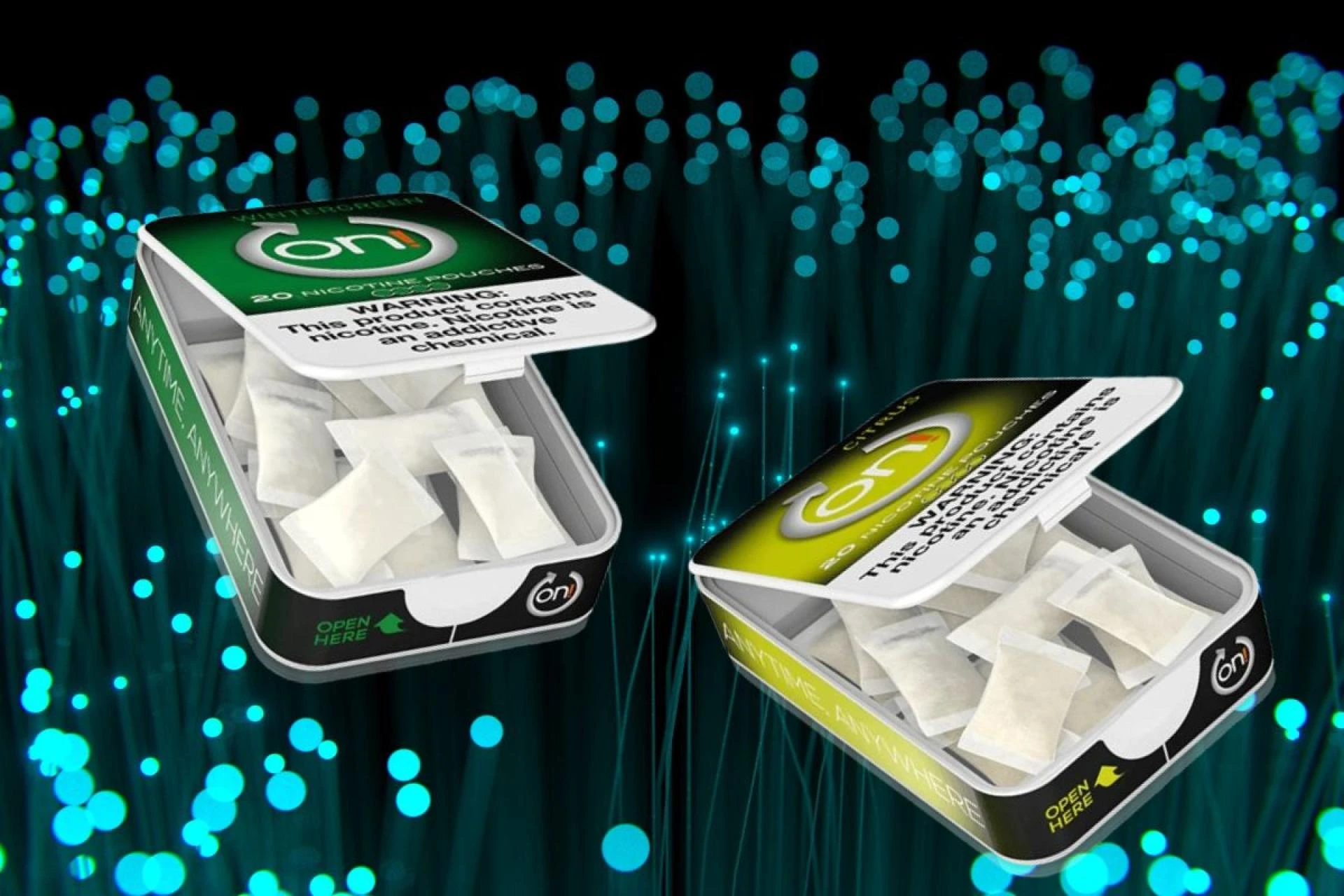
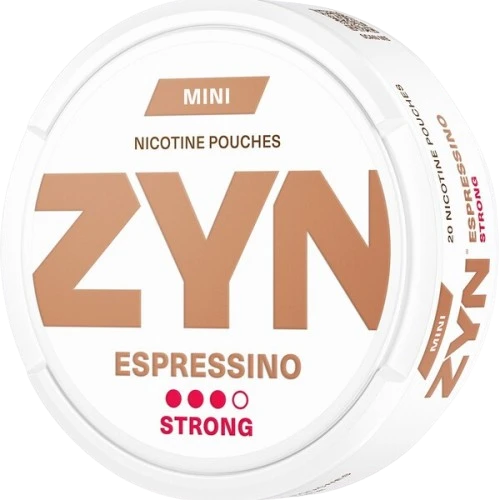
Nicotine pouches are small, white, pre-portioned packets containing nicotine, flavorings, sweeteners, and plant-based fibers, but no tobacco leaf. Users place them between the gum and upper lip, allowing nicotine to be absorbed through the oral mucosa. Brands like Zyn, On!, Velo and Killa Snus have popularized these products, offering various flavors and nicotine strengths to cater to diverse preferences. Unlike traditional smokeless tobacco products, nicotine pouches do not require spitting and are marketed as a cleaner, more discreet option.
Efficacy in Smoking Cessation
NRT has been extensively studied and is proven to nearly double the chances of quitting smoking when used correctly. By providing a controlled nicotine dose, NRT helps manage withdrawal symptoms and cravings, making the transition away from smoking more manageable.
In contrast, nicotine pouches are relatively new, and their efficacy as a smoking cessation tool is still under investigation. While they offer an alternative nicotine source, they are not currently approved by the U.S. Food and Drug Administration (FDA) as a smoking cessation aid. Some users may find them helpful in reducing cigarette consumption, but more research is needed to establish their effectiveness in promoting long-term abstinence from smoking.
Safety and Health Considerations
NRT products are generally considered safe for most individuals seeking to quit smoking. They deliver nicotine without the harmful chemicals found in tobacco smoke, reducing the risk of smoking-related diseases. However, nicotine itself is not without risks; it can raise blood pressure and increase heart rate in the short term. Therefore, individuals with certain medical conditions should consult healthcare providers before using NRT.
Nicotine pouches eliminate exposure to tobacco-specific nitrosamines (TSNAs) present in traditional smokeless tobacco, potentially reducing certain health risks. However, they still deliver nicotine, which is addictive and can have adverse health effects, including gum irritation, increased heart rate, and elevated blood pressure. The long-term health impacts of nicotine pouches are not fully understood, and their use among non-smokers or young people is particularly concerning due to the risk of nicotine addiction.
Regulatory Status
NRT products have undergone rigorous evaluation and are approved by regulatory agencies like the FDA for smoking cessation. This approval ensures they meet safety, efficacy, and quality standards.
Nicotine pouches, however, occupy a more ambiguous regulatory space. In the United States, they are not currently FDA-approved for smoking cessation, and their marketing and sale are subject to varying state regulations. The lack of standardized regulation raises concerns about product consistency, quality control, and potential appeal to youth.
User Experiences and Preferences
Individual preferences play a significant role in the choice between NRT products and nicotine pouches. Some users appreciate the discretion and variety of flavors offered by nicotine pouches, finding them more palatable and convenient than traditional NRT options. Others may prefer the established efficacy and structured dosing of NRT products. Personal factors, including smoking habits, lifestyle, and previous quit attempts, influence the suitability of each option.
Conclusion
Both Nicotine Replacement Therapy and nicotine pouches offer alternatives to traditional smoking, each with distinct characteristics, benefits, and limitations. NRT remains a well-established, FDA-approved method for smoking cessation, supported by extensive research and clinical use. Nicotine pouches present a newer option that may appeal to certain users seeking a smokeless and discreet nicotine source, though their efficacy in smoking cessation and long-term health effects require further study.
Individuals considering these products should consult healthcare professionals to determine the most appropriate strategy for their needs, taking into account the potential risks and benefits. Ultimately, the goal is to support individuals in their journey toward a smoke-free life, improving health outcomes and reducing the burden of tobacco-related diseases.













Sign in to leave a comment.