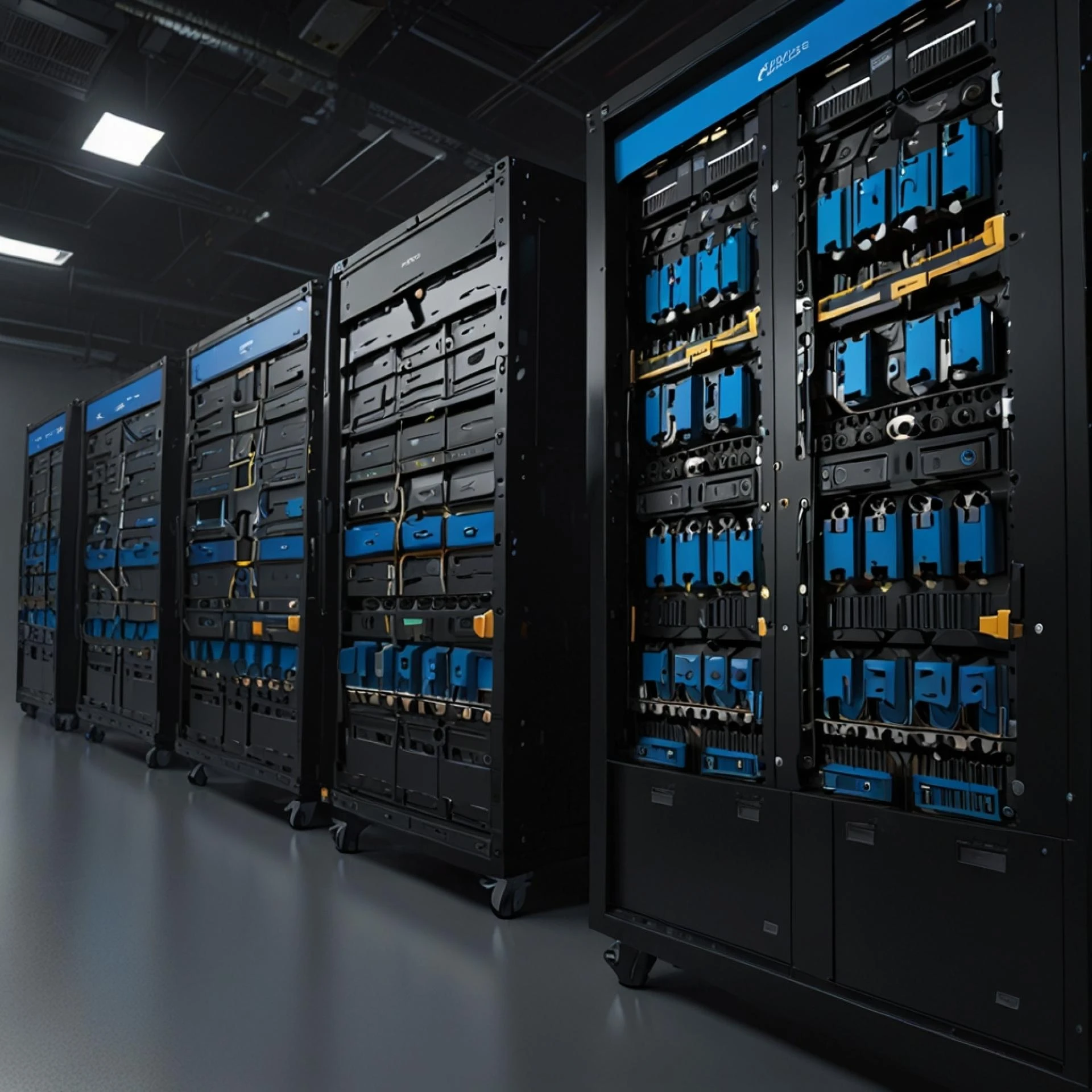

The demands of modern global organizations require storage solutions that can seamlessly scale across continents, time zones, and rapidly growing data volumes. Traditional storage approaches buckle under the pressure of distributed teams, real-time collaboration, and exponential data growth. Scale out NAS (Network Attached Storage) storage emerges as the definitive solution, offering unparalleled flexibility and performance for teams operating across the globe.
This comprehensive guide explores how scale out NAS storage transforms the way global teams manage, access, and protect their critical data assets. From architectural advantages to real-world implementation strategies, we'll examine why forward-thinking organizations are making the strategic shift to these advanced network storage solutions.
Understanding Scale Out NAS Architecture
Scale out NAS storage differs fundamentally from traditional scale-up approaches. Rather than adding larger drives or more powerful processors to existing hardware, scale out systems expand capacity and performance by adding independent network storage solutions nodes that work collectively as a unified system.
This distributed architecture creates several compelling advantages for global teams. Each node contributes processing power, memory, and storage capacity to the overall system. When teams add new nodes, they simultaneously increase storage space, processing capabilities, and network throughput.
The intelligence built into scale out NAS systems automatically distributes data across multiple nodes, optimizing performance and ensuring no single component becomes a bottleneck. This self-balancing capability proves especially valuable for global teams with varying access patterns and usage spikes across different time zones.
Linear Performance Scaling
Traditional storage systems experience diminishing returns as capacity increases. Scale out NAS storage eliminates this limitation through linear performance scaling. Each additional node brings proportional increases in throughput, IOPS, and concurrent user capacity.
For global teams, this means consistent performance regardless of location or simultaneous user count. Whether accessing files from New York, London, or Tokyo, team members experience similar response times and data transfer speeds.
Geographic Distribution and Edge Computing
Global teams face unique challenges related to data locality and network latency. Scale out NAS storage addresses these concerns through sophisticated geographic distribution capabilities that bring data closer to users while maintaining centralized management.
Multi-Site Deployment Strategies
Scale out NAS systems excel at creating distributed storage clusters spanning multiple geographic locations. These deployments automatically replicate critical data across sites while keeping frequently accessed files local to users.
Teams can establish primary storage nodes in major operational centers while deploying edge nodes in smaller offices or remote locations. This hybrid approach ensures fast local access while maintaining comprehensive data protection and synchronization across all sites.
Intelligent Data Placement
Advanced scale out NAS systems incorporate machine learning algorithms that analyze access patterns and automatically optimize data placement. Files frequently accessed by the European team migrate to European nodes, while Asian teams benefit from local copies of their critical datasets.
This intelligent tiering happens transparently, requiring no manual intervention from IT administrators. The system continuously learns from usage patterns and adjusts data placement to optimize performance for global teams.
High Availability and Disaster Recovery
Global organizations cannot afford data loss or extended downtime. Scale out NAS storage provides enterprise-grade availability through redundant architectures and sophisticated disaster recovery capabilities.
Node-Level Redundancy
Each scale out NAS deployment typically includes multiple nodes, creating natural redundancy. If one node fails, the system automatically redirects traffic to healthy nodes while rebuilding lost data from distributed copies.
This self-healing capability ensures global teams maintain productivity even during hardware failures. Users may experience brief performance reductions, but data remains accessible and operations continue normally.
Cross-Site Replication
For global teams, scale out NAS systems support automated replication between geographic locations. Critical data can be synchronously replicated to multiple sites, ensuring zero data loss even in catastrophic scenarios.
Asynchronous replication options provide cost-effective protection for less critical data while maintaining acceptable recovery point objectives. Teams can customize replication policies based on data importance and compliance requirements.
Scalability for Growing Teams
Global organizations experience unpredictable growth patterns. Scale out NAS storage accommodates this uncertainty through flexible scaling that aligns with business needs rather than forcing over-investment in unused capacity.
Horizontal Scaling Benefits
Adding storage capacity to scale out NAS systems requires simply connecting additional nodes to the network. This process typically takes minutes and requires no downtime or data migration.
Teams can start with minimal configurations and expand organically as requirements grow. This approach aligns capital expenditures with actual business needs while ensuring storage never becomes a growth constraint.
Performance Optimization
Scale out architectures distribute workloads across multiple nodes, preventing individual components from becoming performance bottlenecks. As teams add users or increase data volumes, they can add nodes to maintain optimal performance levels.
This distributed approach proves especially valuable for global teams with diverse workloads. Creative teams working with large media files, development teams managing extensive codebases, and business users accessing documents all benefit from the combined processing power of multiple nodes.
Advanced Security Features
Global teams face complex security challenges including varying compliance requirements, diverse threat landscapes, and the need for granular access controls. Scale out NAS storage addresses these concerns through comprehensive security architectures.
Multi-Layered Protection
Modern scale out NAS systems implement defense-in-depth strategies including encryption at rest and in transit, advanced authentication systems, and network-level security controls.
These systems support integration with existing identity management platforms, enabling single sign-on and consistent access policies across global deployments. Teams can implement role-based access controls that automatically adjust based on user location, device type, and security posture.
Compliance and Governance
Global organizations must navigate complex regulatory environments including GDPR, HIPAA, and industry-specific requirements. Scale out NAS systems provide detailed audit trails, data residency controls, and retention policies that simplify compliance management.
Advanced governance features enable teams to classify data automatically and apply appropriate protection policies. Sensitive financial data might be encrypted with stronger algorithms and restricted to specific geographic regions, while general business documents receive standard protection levels.
Cost Optimization Strategies
Scale out NAS storage delivers superior total cost of ownership through several economic advantages that prove especially valuable for global teams managing complex storage requirements.
Reduced Infrastructure Complexity
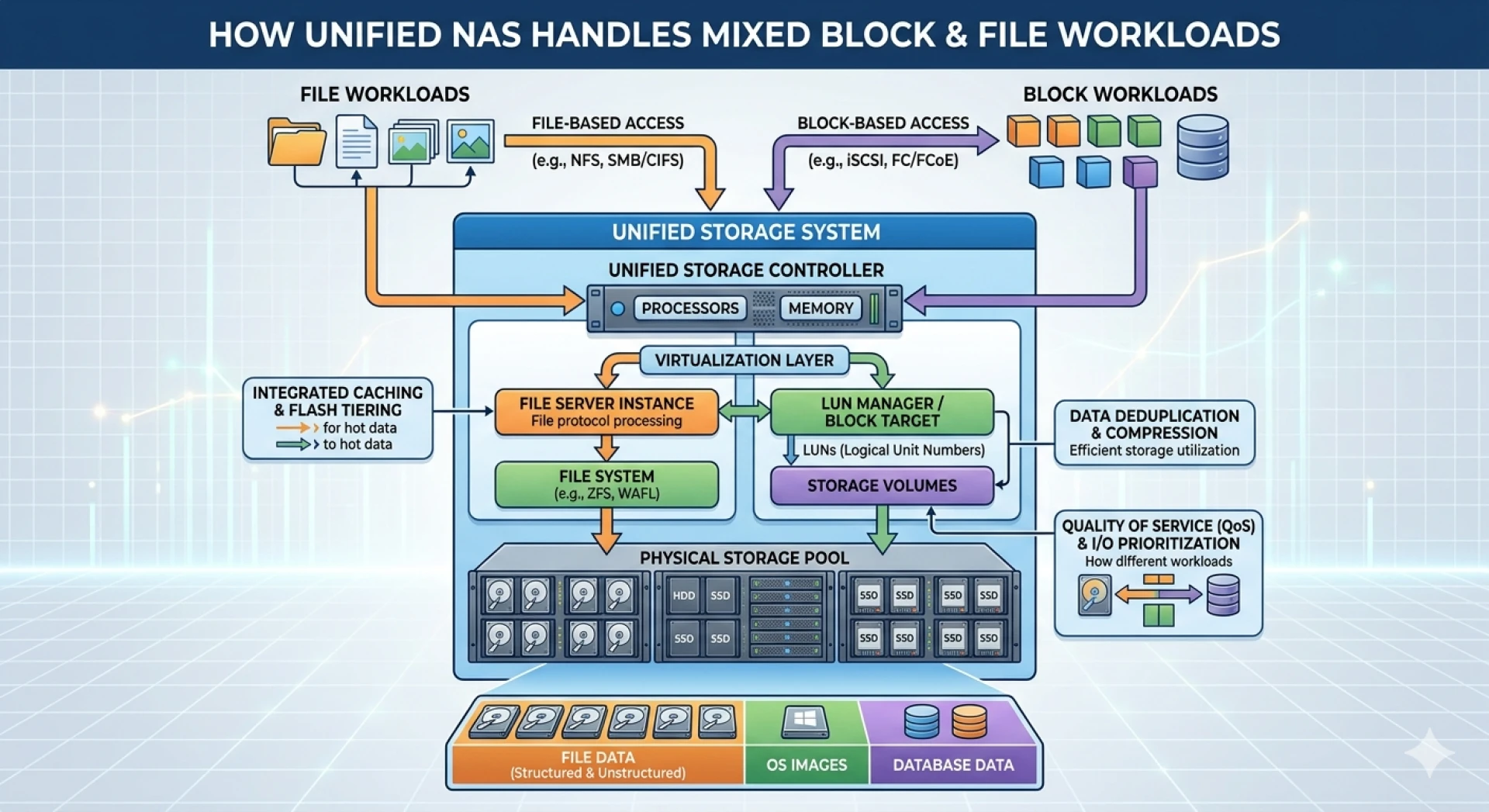
Traditional storage approaches often require separate systems for different use cases, leading to management complexity and increased licensing costs. Scale out NAS systems consolidate these requirements into unified platforms that serve multiple functions.
Global teams can eliminate separate file servers, backup systems, and collaboration platforms by implementing comprehensive scale out NAS storage solutions. This consolidation reduces hardware costs, simplifies management, and decreases training requirements.
Efficient Resource Utilization
Scale out architectures maximize resource utilization through intelligent load balancing and dynamic allocation. Rather than having idle resources in some locations while others experience capacity constraints, the system optimizes utilization across all nodes.
This efficiency translates to lower overall infrastructure requirements and reduced operational costs. Teams achieve better performance with fewer resources while maintaining the flexibility to handle peak demands.
Implementation Best Practices
Successful scale out NAS deployments require careful planning and execution. Global teams should consider several key factors when implementing these advanced network storage solutions.
Capacity Planning and Growth Projections
Understanding current storage requirements and growth projections helps teams select appropriate initial configurations while planning for future expansion. Scale out storage systems provide flexibility, but proper sizing ensures optimal performance and cost efficiency.
Teams should analyze historical growth patterns, consider upcoming projects, and factor in data retention requirements when planning deployments. This analysis enables informed decisions about initial node counts and expansion timelines.
Network Architecture Considerations
Scale out NAS systems require robust network infrastructure to deliver optimal performance. Teams should evaluate bandwidth requirements, latency constraints, and redundancy needs when designing network architectures.
High-speed interconnects between nodes ensure efficient data distribution and replication. Dedicated networks for storage traffic can prevent interference with other business applications while ensuring consistent performance.
Monitoring and Management
Global scale out NAS deployments require sophisticated monitoring and management capabilities to ensure optimal performance and proactive issue resolution.
Centralized Management Platforms
Modern scale out NAS systems provide centralized management interfaces that enable administrators to monitor and control global deployments from single locations. These platforms offer real-time visibility into performance metrics, capacity utilization, and system health across all nodes.
Advanced analytics capabilities identify trends and potential issues before they impact users. Predictive algorithms can recommend optimal times for maintenance activities and capacity expansion based on usage patterns.
Automated Optimization
Scale out NAS systems continuously optimize performance through automated processes that require minimal manual intervention. These systems balance data distribution, optimize caching strategies, and adjust performance parameters based on current conditions.
This automation proves especially valuable for global teams where 24/7 manual monitoring would be impractical. The system maintains optimal performance across time zones while allowing IT teams to focus on strategic initiatives rather than routine maintenance.
Future-Proofing Your Storage Strategy
Scale out NAS storage represents a strategic investment that positions global teams for success in an increasingly data-driven business environment. The architecture's inherent flexibility and scalability provide protection against technological obsolescence while supporting emerging use cases.
As artificial intelligence, machine learning, and edge computing become more prevalent, scale out NAS systems will evolve to support these technologies. Organizations implementing these solutions today will benefit from future enhancements while maintaining their existing investments.










Sign in to leave a comment.