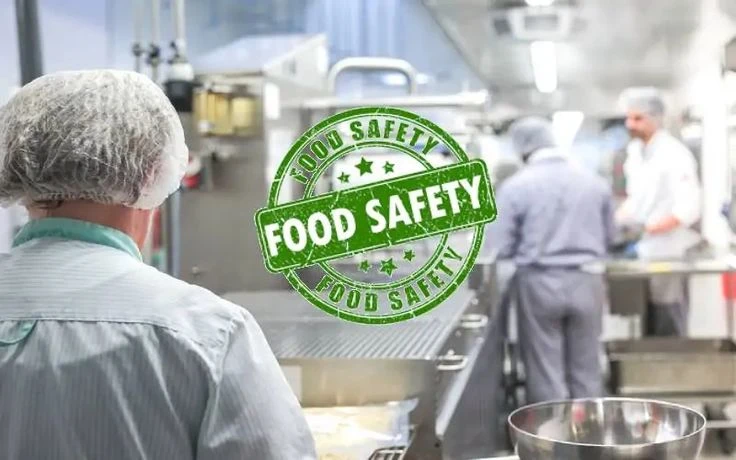

In recent months, the importance of staying updated on food safety has become a top priority for households across the country. Whether it is a routine inspection or a sudden notification like the king cheesecake recall, consumers are increasingly finding themselves at the intersection of convenience and caution. Food safety isn't just about how we cook our meals; it's about the entire journey from the production line to our dinner tables. Understanding how to track these alerts and what steps to take when a product you own is flagged can make all the difference in maintaining a healthy home environment.
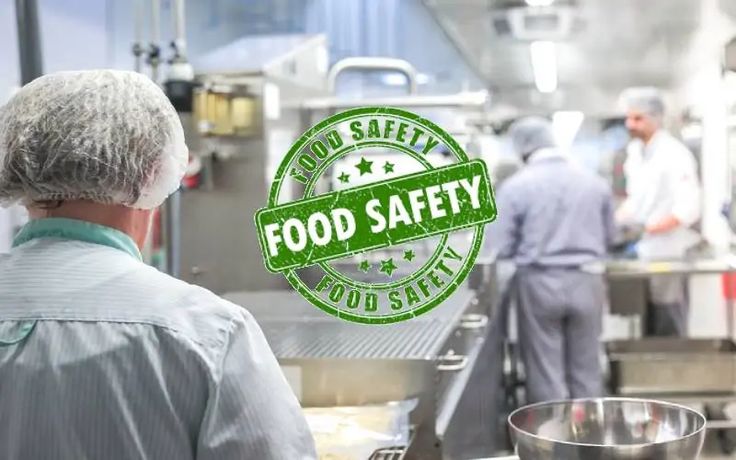
The Growing Importance of Food Safety Awareness
The modern food supply chain is a complex web involving global sourcing, industrial processing, and intricate logistics. While this allows us access to exotic fruits and ready-to-eat desserts year-round, it also means that a single point of contamination can affect thousands of products.
Food safety awareness 2024 is no longer just for industry experts; it is a vital skill for the everyday consumer. When a regulatory body or a manufacturer issues a notice, it is usually due to one of three reasons:
- Microbiological Contamination: The presence of bacteria like Salmonella, Listeria, or E. coli.
- Physical Contaminants: Small fragments of plastic, metal, or glass that may have entered the product during packaging.
- Undeclared Allergens: The most common reason for recalls, where a label fails to mention ingredients like peanuts, milk, or soy, posing a severe risk to those with allergies.
How to Monitor Food Recalls Effectively
You don’t have to spend hours scouring the news to stay informed. There are several streamlined ways to ensure you are the first to know when a product in your pantry might be unsafe.
- Government Portals: Websites like the FDA (Food and Drug Administration) and the USDA (Department of Agriculture) maintain real-time databases of active recalls. You can even sign up for email alerts tailored to specific food categories.
- Retailer Notifications: Many modern grocery chains use loyalty card data to contact customers directly if they purchased a recalled item. Ensure your contact information is up to date with your local supermarket.
- Third-Party Apps: Several mobile applications aggregate safety data from various sources, sending push notifications to your phone based on recent consumer reports.
What to Do if You Own a Recalled Product
Discovering that a favorite snack or a staple ingredient is under a safety alert can be alarming. However, the process for handling these situations is usually straightforward:
- Do Not Consume: This is the most critical step. Even if the food looks, smells, and tastes fine, contamination is often invisible to the naked eye.
- Check the Batch Code: Recalls are rarely for every single unit of a product ever made. Look for the "Best By" date, the UPC barcode, or the specific lot code mentioned in the announcement.
- Return or Dispose: Most manufacturers offer a full refund for recalled items. You can typically return the product to the store where you bought it or follow the manufacturer’s instructions for safe disposal.
- Sanitize: If the recalled item was stored in your refrigerator or pantry without a sealed container, it is a good idea to clean the area with warm, soapy water to prevent cross-contamination.
The Role of Transparency in the Food Industry
In the digital age, transparency is a brand's greatest asset. When companies act swiftly to announce a recall, it is a sign that their monitoring systems are working. While a recall might seem like a negative event, it is actually a protective measure designed to prevent illness before it occurs.
Brands that prioritize consumer safety by providing clear instructions and easy refund processes often maintain higher levels of long-term trust. As consumers, our role is to remain vigilant and support the systems that keep our food supply secure.
Prevention Starts in the Kitchen
While we cannot control what happens in a factory, we can control how we handle food once it reaches us. Practicing the "Four Core" steps of food safety can mitigate many risks:
- Clean: Wash hands and surfaces often.
- Separate: Don’t cross-contaminate raw meat with ready-to-eat foods.
- Cook: Use a food thermometer to ensure meats reach the right internal temperature.
- Chill: Refrigerate perishable foods within two hours.
Conclusion
Staying informed about food safety is a continuous process. By understanding the reasons behind safety alerts and knowing where to find reliable information, you can navigate the grocery aisles with confidence. Whether it is a major national announcement or a niche alert regarding a specific bakery item, being proactive ensures that your kitchen remains a safe space for your family and friends.
Food safety awareness is not about living in fear; it is about being empowered with the knowledge to make the best choices for your health and well-being. Keep an eye on the headlines, stay registered with your favorite retailers, and always prioritize safety over convenience.











Sign in to leave a comment.