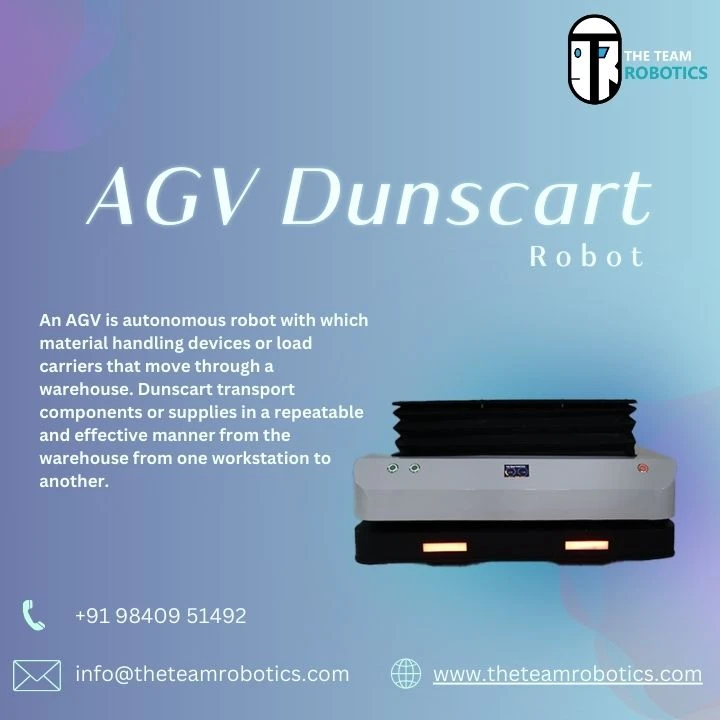

In the ever-evolving landscape of industrial automation, Automated Guided Vehicles (AGVs) have emerged as pivotal players, streamlining material handling processes across various industries. However, the journey towards integrating AGV systems into manufacturing facilities is not without its set of challenges. In this blog post, we'll delve into the key hurdles faced in AGV manufacturing and explore effective strategies to overcome them.
1. Limited Customization Options
AGV systems often need to be tailored to specific manufacturing environments, which can pose challenges due to limited off-the-shelf solutions. Manufacturers frequently encounter issues aligning AGV design with the unique layout and requirements of their facilities.
Overcoming Strategy: Flexible Design Approaches
Implementing modular and scalable AGV designs allows for greater customization. Utilizing a flexible design approach facilitates easy adjustments, ensuring AGVs seamlessly integrate into diverse manufacturing setups.
2. Navigation in Complex Environments
Navigating AGVs through intricate manufacturing spaces, especially those with dynamic layouts or temporary obstacles, presents a significant challenge. Conventional navigation systems may struggle to adapt to real-time changes.
Overcoming Strategy: Advanced Navigation Technologies
Leveraging advanced navigation technologies such as LiDAR and computer vision enables AGVs to perceive their surroundings dynamically. Integrating these technologies enhances AGV adaptability in complex environments, reducing the risk of collisions and improving overall efficiency.
3. High Initial Implementation Costs
While the long-term benefits of AGV integration are evident, the upfront costs of implementing AGV systems can be a barrier for some manufacturers. This challenge often hinders smaller enterprises from embracing this technology.
Overcoming Strategy: ROI-focused Implementation Plans
Developing a comprehensive return on investment (ROI) plan that outlines the long-term cost savings and efficiency gains helps justify the initial investment. Emphasizing the tangible benefits of AGV implementation can encourage businesses to view it as a strategic investment rather than a financial burden.
4. Workforce Adaptation and Training
Introducing AGV systems into a manufacturing environment requires the workforce to adapt to new technologies. Resistance to change and lack of adequate training can impede the smooth integration of AGVs into daily operations.
Overcoming Strategy: Employee Training Programs
Investing in comprehensive training programs for the workforce ensures that employees are familiar with AGV operations and safety protocols. Involving employees in the transition process and highlighting the collaborative nature of human-robot interaction can foster a positive attitude towards AGV integration.
Conclusion
AGV manufacturing, while revolutionary, comes with its share of challenges. However, by addressing these challenges head-on through flexible design approaches, advanced navigation technologies, strategic financial planning, and employee-focused initiatives, manufacturers can pave the way for successful AGV integration. Overcoming these hurdles not only streamlines current operations but positions businesses to thrive in the era of advanced industrial automation.









Sign in to leave a comment.