In an age where cyberattacks are more sophisticated than ever, relying on passwords alone to protect sensitive data is no longer enough. Businesses and individuals alike are turning to Multi-Factor Authentication (MFA) solutions as a critical line of defense. MFA adds an extra layer of security by requiring users to verify their identity through multiple methods, making unauthorized access significantly harder for attackers. At QED Vault, we explore the transformative impact of MFA on cybersecurity and why it is an essential part of a modern digital protection strategy.
What Is Multi-Factor Authentication?
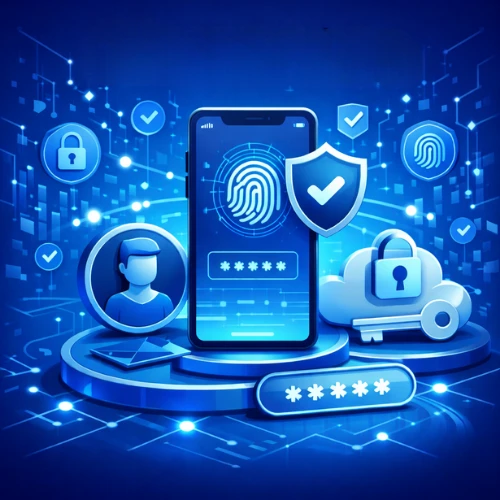
Multi-Factor Authentication (MFA) is a security process that requires users to provide two or more verification factors to gain access to a system, network, or application. These factors typically fall into three categories:
- Something you know (e.g., password or PIN)
- Something you have (e.g., a smartphone, security token)
- Something you are (e.g., fingerprint, facial recognition)
By combining at least two of these elements, MFA dramatically reduces the chances of unauthorized access—even if a password is compromised.
Why MFA Solutions Matter Now More Than Ever
With increasing digital reliance, cybersecurity threats have escalated. According to industry reports, over 80% of data breaches stem from weak or stolen credentials. MFA addresses this problem head-on by ensuring that stolen passwords alone won’t give hackers access to valuable information.
For businesses, particularly those managing sensitive data such as customer records, financial information, or intellectual property, implementing robust MFA solutions is no longer optional—it's essential.
Key Benefits of Multi-Factor Authentication Solutions
1. Enhanced Security
MFA drastically reduces the risk of unauthorized access, phishing attacks, and identity theft. Even if hackers obtain a user's password, they still need to bypass other authentication factors.
2. Regulatory Compliance
MFA helps organizations meet industry regulations and standards like GDPR, HIPAA, and PCI DSS, which often require advanced authentication protocols.
3. Flexible Implementation
Modern MFA solutions integrate seamlessly with cloud platforms, enterprise applications, and even legacy systems, ensuring secure access across all touchpoints.
4. Improved User Trust
Customers and employees feel more confident when accessing systems secured by MFA, which enhances brand credibility and trust.
Types of MFA Solutions Available
There’s no one-size-fits-all approach to MFA. Businesses can choose from various authentication methods depending on their needs:
- OTP (One-Time Passwords): Delivered via SMS, email, or app
- Authenticator Apps: Like Google Authenticator or Microsoft Authenticator
- Hardware Tokens: Physical devices like YubiKeys
- Biometric Authentication: Fingerprint or facial recognition
- Push Notifications: Tap-to-approve requests on trusted devices
Each solution has its strengths, and the right combination depends on the organization's infrastructure, user behavior, and security requirements.
Challenges in Adopting MFA—and How to Overcome Them
Despite its benefits, some businesses hesitate to adopt MFA due to perceived complexity or user friction. However, modern solutions are increasingly user-friendly and can be integrated with Single Sign-On (SSO) systems to streamline the experience.
To ease adoption:
- Choose intuitive platforms with mobile app support
- Educate employees and users on the importance of MFA
- Use adaptive authentication that requires MFA only in high-risk scenarios
QED Vault: Your Partner in Secure Authentication
At QED Vault, we specialize in building secure digital ecosystems through innovative technology. Our Multi-Factor Authentication solutions are designed to safeguard your operations while delivering a seamless user experience.
Whether you're a fintech startup, enterprise, or government agency, our customizable MFA framework can be tailored to meet your specific compliance and security needs.
Visit the full blog at:
https://www.qedvault.com/blogs/multi-factor-authentication-solutions-the-key-to-digital-security
Final Thoughts
Cybersecurity is evolving rapidly—and so should your defenses. Passwords alone are no longer sufficient in today’s threat landscape. Multi-Factor Authentication solutions offer a powerful and accessible way to protect your digital assets. By incorporating MFA into your security strategy, you take a proactive step toward safeguarding data, maintaining compliance, and building trust with users.
Secure your digital future—start with MFA.











Sign in to leave a comment.