

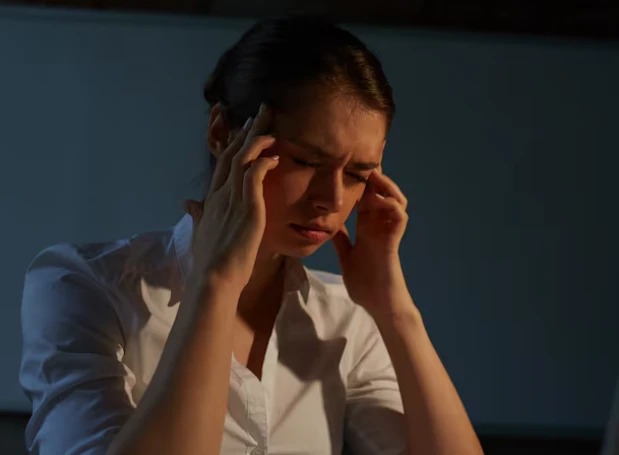
For many people living with Migraine, one of the most debilitating symptoms is migraine light sensitivity, also known as photophobia. Even normal levels of light—sunlight, fluorescent bulbs, or digital screens—can feel overwhelming and intensify pain during an attack. But why does this happen? The answer lies in a complex interaction between the eyes and the brain.
Understanding the science behind migraine light sensitivity can help you manage symptoms more effectively and explore solutions like FL 41 Glasses that are designed to reduce discomfort.
What Is Migraine Light Sensitivity?
Migraine light sensitivity refers to an increased sensitivity to light that occurs before, during, or even between migraine attacks. Unlike normal discomfort from bright light, this sensitivity can make even dim environments feel unbearable.
This condition is not just about the eyes—it is deeply rooted in how the brain processes light signals. People with migraines often have a heightened response to sensory stimuli, and light is one of the most common triggers.
The Brain-Eye Connection
To understand migraine light sensitivity, it’s important to look at how light is processed in the body. When light enters the eye, it is detected by specialized cells in the retina. These signals are then sent to the brain for interpretation.
A key player in this process is the Retina, which contains photoreceptor cells that respond to different types of light. In people with migraines, these signals are often amplified, leading to discomfort or pain.
Research suggests that certain retinal cells—particularly those involved in detecting brightness—may be overactive in migraine sufferers. This heightened sensitivity sends stronger signals to the brain, contributing to the feeling of light intolerance.
The Role of the Trigeminal Nerve
Another critical component in migraine light sensitivity is the Trigeminal Nerve. This nerve is responsible for transmitting sensory information, including pain, from the face to the brain.
During a migraine, the trigeminal nerve becomes activated and releases inflammatory substances. These substances can increase sensitivity to light and other stimuli.
What makes this connection particularly interesting is that light signals can indirectly activate the trigeminal nerve, even without passing through traditional visual pathways. This explains why light can worsen migraine pain even when your eyes are closed.
Brain Regions Involved in Light Sensitivity
The brain’s processing centers also play a significant role. Areas such as the thalamus act as a relay station, integrating sensory information from different parts of the body.
In individuals with migraines, the thalamus may become hyper-responsive, amplifying light signals and making them more intense. This overactivity contributes to the discomfort associated with migraine light sensitivity.
Additionally, the visual cortex—the part of the brain responsible for processing visual information—may show increased activity during a migraine. This heightened activity can make even low levels of light feel overwhelming.
Why Certain Lights Trigger Migraines
Not all light is created equal when it comes to migraines. Many sufferers report that specific types of light are more triggering than others.
Fluorescent lighting, for example, often flickers at a frequency that may not be consciously noticeable but can still affect the brain. Blue light from screens is another common trigger, as it has a shorter wavelength and higher energy, making it more stimulating to the visual system.
These types of light can exacerbate migraine light sensitivity, leading to increased discomfort and prolonged attacks.
How FL 41 Glasses Help
One of the most effective tools for managing migraine light sensitivity is FL 41 Glasses. These specially tinted lenses are designed to filter out specific wavelengths of light that are known to trigger migraines.
Unlike standard sunglasses, FL-41 lenses target blue-green light, which is often associated with discomfort. By reducing exposure to these wavelengths, the glasses help decrease the intensity of light signals reaching the brain.
Many users report fewer migraine episodes and reduced severity when using FL 41 Glasses, especially in environments with harsh lighting or prolonged screen exposure.
The Role of Environmental and Lifestyle Factors
While biology plays a major role, environmental factors also influence migraine light sensitivity. Bright outdoor light, poorly lit indoor spaces, and excessive screen time can all contribute to symptoms.
Lifestyle habits such as inadequate sleep, stress, and dehydration can further increase sensitivity. Managing these factors is essential for reducing the frequency and intensity of migraines.
Simple changes—like adjusting screen brightness, using warm lighting, and taking regular breaks—can make a noticeable difference.
Managing Migraine Light Sensitivity Naturally
In addition to using FL 41 Glasses, there are several strategies you can adopt to manage migraine light sensitivity:
- Control Your Environment: Use dim, warm lighting and avoid fluorescent bulbs when possible.
- Limit Screen Exposure: Take frequent breaks and use blue light filters on devices.
- Wear Protective Eyewear: FL-41 lenses can help reduce light-triggered discomfort.
- Maintain Healthy Habits: Stay hydrated, get enough sleep, and manage stress.
- Create a Recovery Space: Designate a dark, quiet area where you can rest during an attack.
These approaches work together to reduce sensory overload and support overall migraine management.
The Future of Migraine Research
Ongoing research continues to explore the mechanisms behind migraine light sensitivity. Scientists are investigating new treatments that target specific neural pathways involved in light processing.
Advancements in wearable technology and personalized medicine may soon offer more tailored solutions for individuals with migraines. Understanding the science behind this condition is paving the way for more effective and targeted therapies.
Final Thoughts
Migraine light sensitivity is a complex condition rooted in the interaction between the eyes, nerves, and brain. From the retina to the trigeminal nerve and beyond, multiple systems contribute to the heightened response to light.
By understanding these mechanisms, individuals can take proactive steps to manage their symptoms. Tools like FL 41 Glasses, combined with lifestyle adjustments, offer practical and effective ways to reduce discomfort.
While migraines may not have a one-size-fits-all solution, knowledge and the right strategies can empower you to regain control and improve your quality of life.













Sign in to leave a comment.