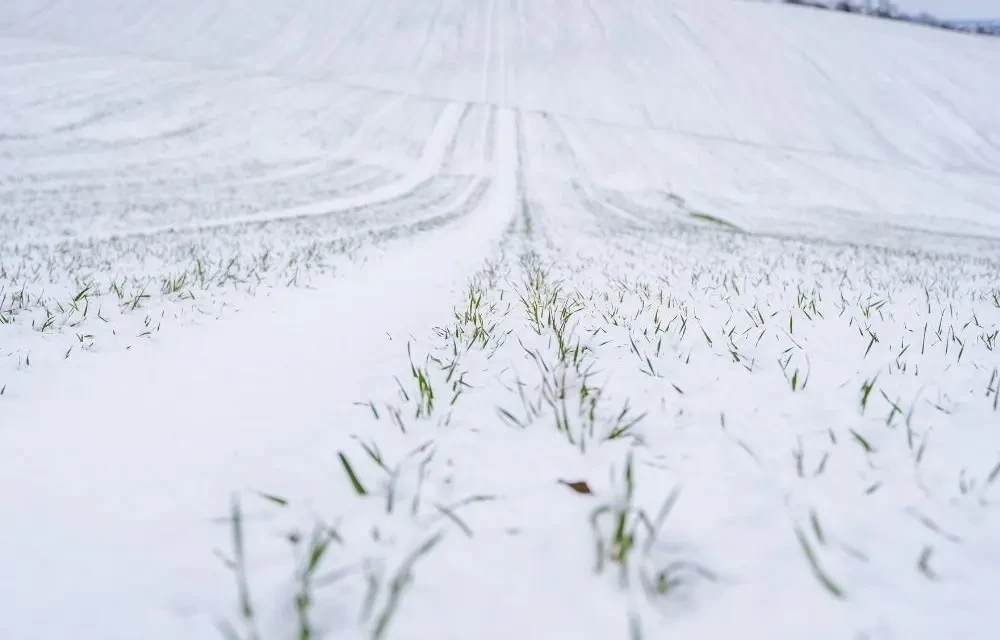

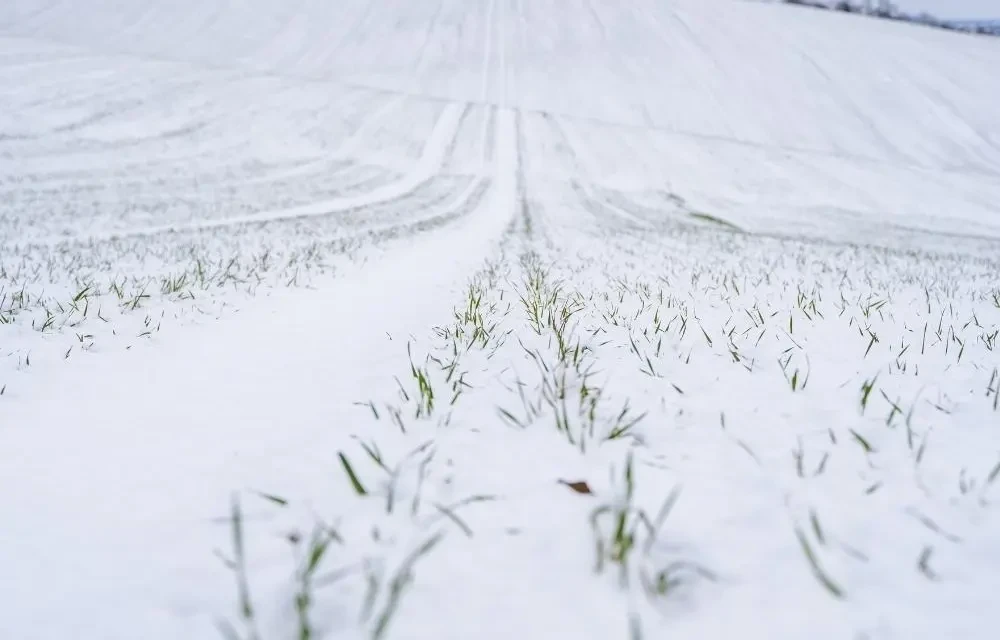
When harvest ends and fields quiet down, it’s easy to think the soil becomes inactive. But beneath the surface, a vast network of microbes keeps working — albeit at a slower pace. Supporting these organisms over winter is an investment that pays off in stronger soil health and better crop performance next spring.
Why Soil Microbes Matter in Cold Seasons
Soil is home to bacteria, fungi, actinomycetes, protozoa, and other microscopic life forms that drive nutrient cycling, break down plant residues, and contribute to soil structure. As temperatures drop, these organisms reduce their activity but don’t shut down entirely. Many adapt by forming spores, producing protective compounds, or migrating deeper in the soil where thermal fluctuations are milder.
Even in dormancy, microbes continue decomposing organic matter and releasing nutrients — setting the stage for a healthy restart when spring arrives. Maintaining robust microbial populations is fundamental to regenerative agriculture and long-term soil resilience.
Winter Stressors for Soil Microbes
Below are some of the main challenges microbes face as seasons shift:
- Decline in carbon resources
- After harvest, root exudates (a key food source for microbes) drop, leading to a carbon shortage.
- Soil compaction
- Heavy machinery used during harvest can compress the soil, reducing pore space and limiting oxygen diffusion.
- Freeze-thaw cycles
- Rapid temperature changes disrupt soil structure and the habitats microbes rely on.
- Moisture extremes
- Soils that are too dry or too wet can make survival difficult for sensitive microbial communities.
To counteract these pressures, it’s crucial to protect soil structure, maintain organic matter, and “feed” the biological community before winter sets in.
Strategies to Support Microbial Life Before Freeze-up
Here are several techniques to nurture soil biology and help it survive the winter:
1. Use Soil Conditioners & Biostimulants
Apply humic-based conditioners or biostimulants in fall. These boost nutrient retention and improve soil porosity, creating a healthier environment for microbes. Products with beneficial fungi, bacteria, or plant extracts also strengthen biological balance in the soil.
2. Accelerate Residue Decomposition
As temperatures fall, decomposition slows, leaving plant residues unbroken. Biological residue digesters help speed this process, feeding microbes through winter and aiding organic matter buildup.
3. Grow Living Roots via Cover Crops
Cover crops like rye, clover, or vetch act as biological armor. Their root systems release sugars that sustain microbial populations, while protecting soil structure and moisture.
4. Limit Late-Season Tillage
Disturbing soil late in the season exposes microbes to oxygen, light, and temperature swings. Keeping residue cover and avoiding unnecessary tillage helps preserve their habitat.
The Long-Term Benefits of Winter Microbial Care
Caring for soil life in the colder months is not just about surviving — it’s about preparing for thriving. When microbial communities remain active and healthy, you gain:
- Improved nutrient cycling — Microbes unlock nitrogen, phosphorus, and micronutrients for plant use.
- Stronger soil structure — Fungal hyphae and microbial byproducts help form aggregates and improve aeration.
- Natural disease suppression — Beneficial organisms compete against pathogens.
- Better water retention — More organic matter contributes to soil’s ability to hold moisture.
By proactively supporting microbes now, you’re building a resilient and fertile system ready to respond when warmer weather returns.
Planning for a Regenerative Spring
At your core, every season matters — including winter. Building a winter strategy with humic products, biological additives, and living cover can sustain microbial activity, strengthen soil health, and improve nutrient efficiency as spring begins.
Want help designing a fall soil management plan or selecting products suited to your region? Just let me know — I’d be happy to assist.
Visit AgTek360 to learn more about our products and research.










Sign in to leave a comment.