
In the sprawling digital landscape of modern enterprises, storage area networks (SAN) are the bedrock of data management, supporting everything from critical applications to virtualized environments. Yet, SAN storage deployments often come with hefty price tags, leading IT departments to grapple with optimizing ROI without compromising performance and reliability.
Understanding SAN Storage ROI
True ROI in SAN storage deployments is more than a simple cost-to-benefit analysis; it's about long-term value, productivity gains, and the overall health of an organization's IT infrastructure. For IT leaders, this means cultivating a nuanced approach that spans from understanding the business's data growth patterns and applications to projected future needs.
However, the drive to capture maximum ROI often leads to challenges, such as:
Over-provisioning, where businesses purchase more storage capacity than needed due to inadequate forecasting.Underutilization, wherein pre-purchased storage capacity goes unused, representing wasted expenditure.Infrastructure complexity that increases management overheads and the likelihood of errors.Suboptimal performance due to poor design or a mismatch with application requirements.In this post, I'll walk you through several strategies to maximize the ROI of your SAN storage while addressing these common pitfalls.
Aligning SAN Deployments with Business Needs
The first step in a cost-effective SAN strategy is a meticulous business needs assessment. This should involve not only the current storage requirements of your key applications but also an evaluation of future growth and technology trends.
Conducting a Thorough Application Analysis
By understanding the performance, availability, and storage capacity needs of critical applications, you can tailor your SAN deployment to deliver optimal support. Begin by categorizing applications based on usage patterns and storage performance profiles, which can often be classified into tiers with varying levels of requirements.
Projecting Future Storage Consumption
Data is growing at an unprecedented rate, and your SAN solution must support this expansion while remaining within budget. To accurately project future storage needs, consider historical growth rates, anticipated business growth, and the potential impact of emerging technologies.
Optimizing SAN Hardware and Design
The physical architecture of your SAN directly impacts its cost and performance. By focusing on optimization during the planning stages, you can significantly affect the long-term ROI of your storage solution.
Selecting the Right Mix of Storage Technologies
Today's SAN environments offer a rich tapestry of storage technologies, from traditional spinning disks to solid-state drives (SSDs), hybrid arrays, and now the burgeoning field of NVMe (Non-Volatile Memory Express).
Choosing the most cost-effective technology mix is crucial. SSDs, for instance, provide unmatched performance but at a higher cost per gigabyte. Hybrid arrays that combine SSDs for performance with HDDs for capacity can be a savory middle ground.
Implementing Efficient Data Management Practices
Data deduplication, compression, and thin provisioning are essential in ensuring that you're not paying for space that's not being used. When combined, these techniques can lower the overall storage footprint and delay the need for additional hardware refreshes.
Enhancing the Lifecycle Management of Your SAN
The lifecycle of a SAN is marked by various stages, from initial deployment to eventual decommissioning.
Procurement Best Practices
Implementing smart procurement practices, such as engaging multiple vendors, negotiating favorable contracts, and taking advantage of bulk purchase discounts, is key to lowering the initial acquisition cost of your SAN infrastructure.
Intelligent Refresh Cycles
A rule of thumb is to refresh hardware every three to five years to take advantage of latest technologies and alleviate the risk of performance degradation or failure. However, this doesn't mean every component needs to be upgraded at once. By strategically replacing the bottleneck components, you can maintain performance levels while minimizing costs.
Scalability Considerations
Scalability is a crucial factor in SAN deployment, particularly the ability to add capacity and performance without disruptive or costly forklift upgrades. Implement a SAN solution that allows seamless expansion and scaling to meet growing business demands.
Automation, Monitoring, and Analytics
The modern SAN environment is complex, sometimes involving multiple arrays, switches, and connectivity options. Automation, coupled with robust monitoring and analytics tools, can be a game-changer for maintaining an efficient and cost-effective SAN deployment.
Automating Routine Tasks
Leverage automation tools to handle repetitive maintenance and management tasks, which not only saves time and reduces the risk of human error but also ensures consistent application of best practices.
Proactive Monitoring for Performance Optimization
A comprehensive monitoring system can proactively identify performance bottlenecks and inefficiencies, allowing you to make targeted adjustments to improve ROI. This could involve moving less-critical data to lower-tier storage, load balancing, or even realigning storage volumes based on usage patterns.
Advanced Analytics for Predictive Maintenance
Cutting-edge SAN solutions offer predictive analytics that can foresee potential hardware failures, allowing for planned maintenance and minimizing costly downtime. Such tools enable a proactive, rather than reactive, approach to infrastructure maintenance and can lead to substantial cost savings.
Considering Hybrid Cloud and Multi-Cloud Strategies
Cloud storage services can be a strategic addition to your SAN deployment. When integrated thoughtfully, they can provide additional storage and compute resources while potentially lowering operational costs.
Identifying Suitable Workloads for the Cloud
Not all workloads may be a good fit for the cloud, especially those with predictable and constant storage needs. High-performance, latency-sensitive, or highly regulated workloads may be better suited to on-premises SAN deployments.
Implementing Cloud-Based DR and Backup Solutions
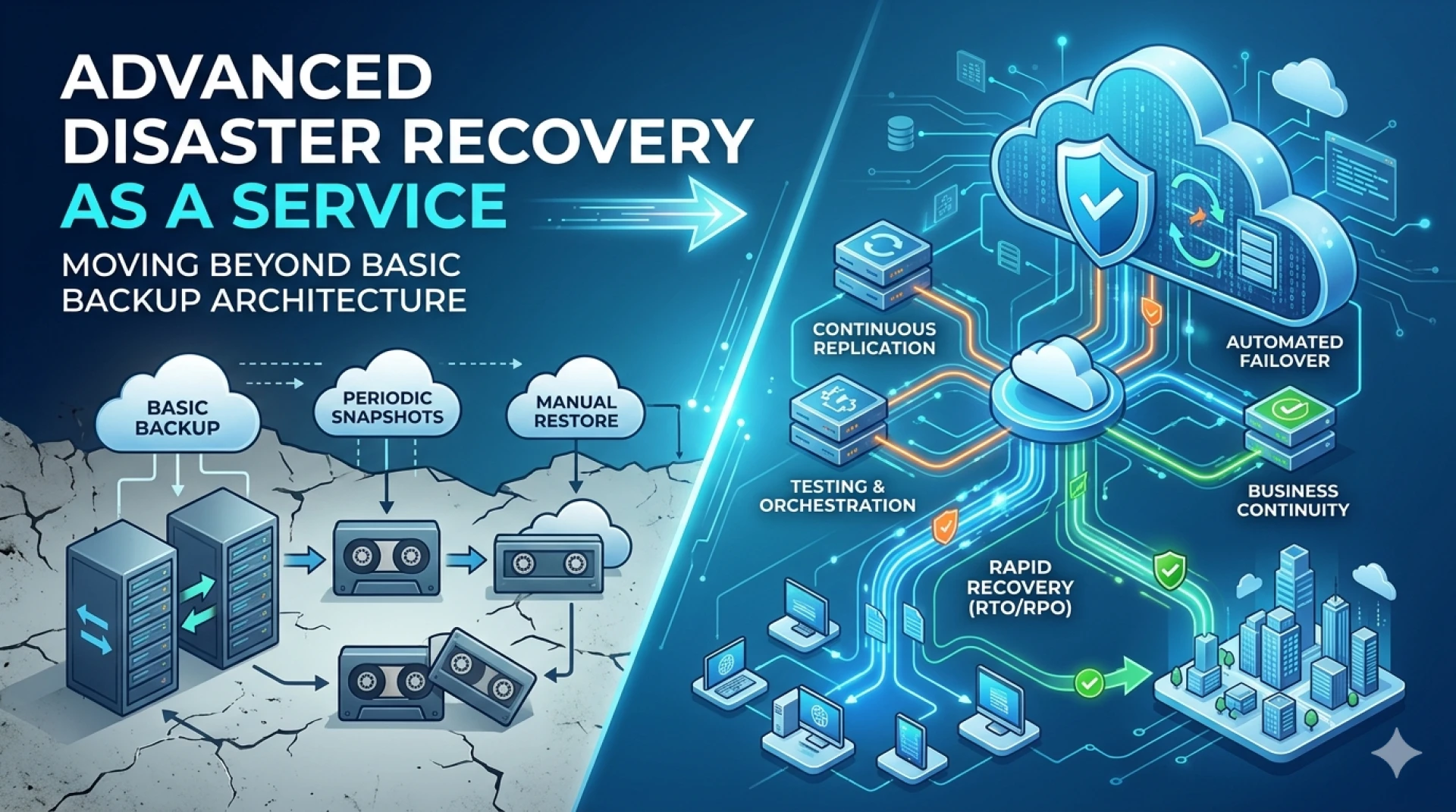
Cloud-based disaster recovery (DR) and backup solutions can complement your SAN strategy, providing offsite data protection without the need for additional physical hardware. This not only reduces upfront investment but also ongoing maintenance costs.
Leveraging Cloud Bursting for Scalability
Cloud bursting allows you to temporarily offload workloads to the cloud during peak demand, providing a cost-effective way to manage performance spikes without overprovisioning your local storage resources.
Conclusion
SAN storage is an indispensable component of enterprise IT infrastructure, and its optimized deployment is key to achieving strong ROI. By closely aligning storage solutions with business needs, leveraging hardware and design optimizations, managing the lifecycle of your SAN solution, and integrating automation and cloud strategies, you can ensure that your storage investment works hard for your organization's success.
With continuous vigilance and a willingness to adapt to changing technologies and business landscapes, enterprises can unlock the full potential of their SAN storage deployments, delivering value that extends far beyond the upfront cost of implementation.
Sign in to leave a comment.