If you’re preparing for your California DMV test, the journey can seem overwhelming, but with the right approach, it doesn’t have to be.
This guide is designed to help you prepare effectively by breaking down everything you need to know, from getting the right car driving lessons with a qualified California driving instructor to understanding the specifics of the California DMV test.
What Is The California DMV Test?
The California DMV test is a comprehensive evaluation of your ability to safely operate a vehicle, as well as your knowledge of the state’s traffic laws and regulations. It includes both a written knowledge test and a behind-the-wheel driving test. Both parts require preparation, but with a solid strategy, you’ll feel confident on test day.
The Written Knowledge Test
The first part of the DMV test is the written knowledge exam. It covers:
- Road signs
- Traffic laws
- Driving rules
The test consists of 36 questions, and you must correctly answer at least 30 of them to pass. Some of the areas you’ll need to study include:
- Speed Limits: Familiarize yourself with the speed limits for different roads and highways.
- Signs and signals: Be familiar with the meaning of all road signs, traffic signals, and pavement markings.
- Rules for Turning and Lane Changes: Understand the rules for safe lane changes, right of way, and proper signaling.
To prepare for the written exam, you can find study materials on the California DMV website. Additionally, consider taking practice tests to familiarize yourself with the types of questions you’ll face.
The Behind-the-Wheel Driving Test
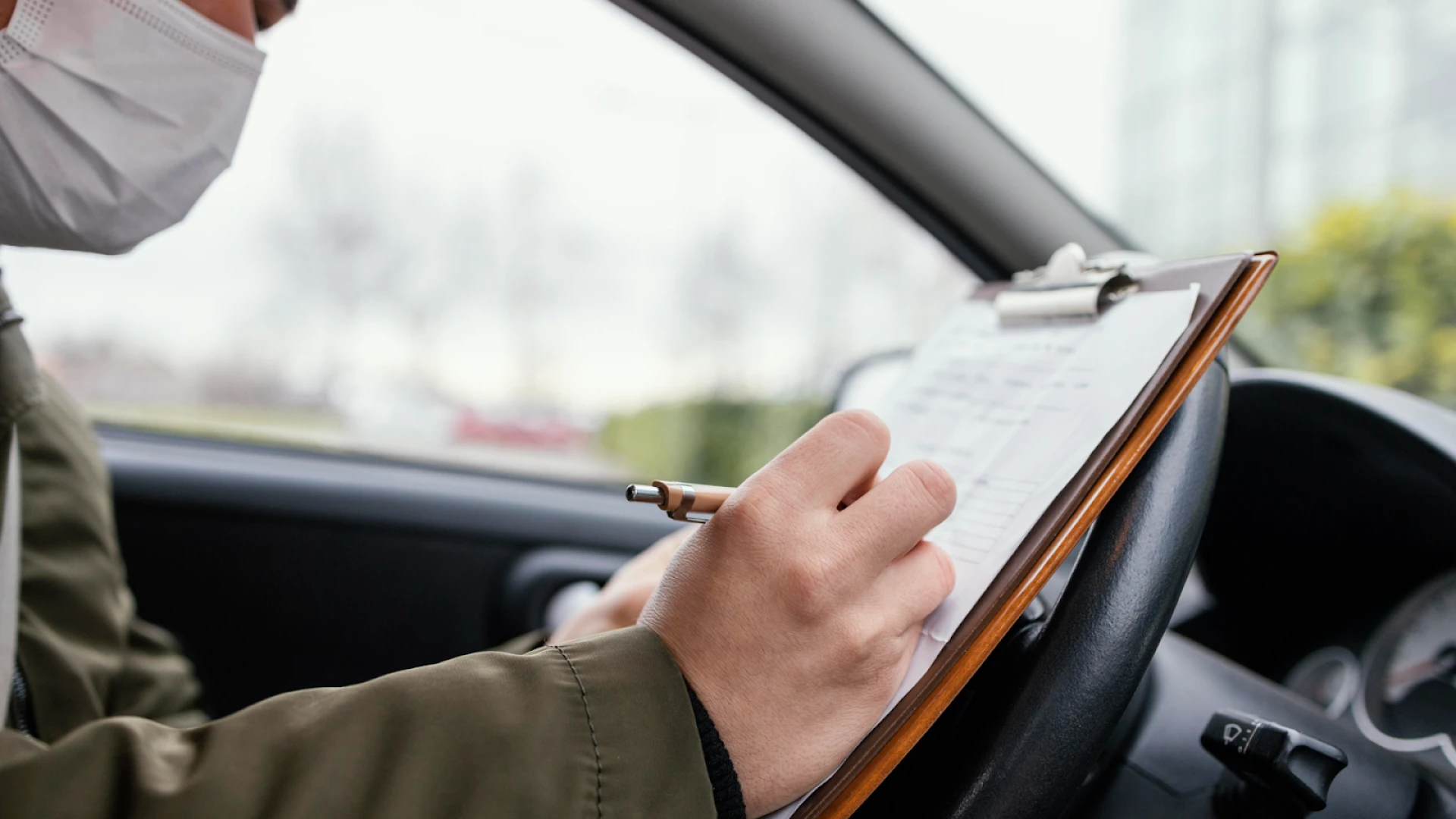
Once you pass the written exam, you’ll move on to the behind-the-wheel driving test. This practical driving test evaluates your ability to drive safely and follow traffic laws in real-time.
The test will assess:
- Basic car control: This includes steering, braking, accelerating, and turning.
- Traffic signals and road signs: Following and responding to traffic signs and signals is critical.
- Safe driving habits: You’ll need to demonstrate proper lane changes, use of mirrors, stopping at stop signs, and driving at safe speeds.
How Do Car Driving Lessons Help?
One of the best ways to prepare for the behind-the-wheel test is by taking car driving lessons with a qualified California driving instructor.
Here’s how professional lessons can help:
- Personalized instruction: Tailored lessons to match your skill level.
- Test-specific guidance: Focus on areas that align with the DMV’s requirements.
- Confidence building: Instructors help you stay calm during the test.
- Defensive driving skills: Learn techniques to react to potential hazards safely.
How To Choose The Right California Driving Instructor
When selecting a California driving instructor, consider the following:
- Credentials: Ensure the instructor is licensed by the California DMV.
- Reputation: Look for instructors with positive reviews and testimonials
- Experience: Opt for instructors who have experience working with new drivers and preparing them for the DMV test.
Taking professional lessons not only helps you pass the test but also sets you up for safe driving in the long run.
Tips for Acing the California DMV Test
Here are some practical tips to help you pass the test with ease:
- Study the Handbook: Read the California driver handbook thoroughly, focusing on traffic laws and safe driving practices.
- Take Practice Tests: Use online practice tests from the California DMV website to familiarize yourself with the exam format.
- Get Comfortable with the Test Route: Take driving lessons on the test route to reduce stress and improve performance.
- Know the DMV Requirements: Ensure you have all necessary documents, including proof of identity, residence, Social Security number, and driver education (if required).
- Stay Calm and Focused: Stay calm, take your time, and follow traffic rules during the test to perform your best.
Common Mistakes to Avoid
Here are a few mistakes many first-time drivers make on the test:
- Not checking mirrors regularly: Always check your mirrors before making any move, such as changing lanes or turning.
- Speeding or not following speed limits: Be sure to obey the posted speed limits, even if other drivers are speeding.
- Not using turn signals: Always use your signals when turning or changing lanes.
- Failing to stop completely at stop signs: A rolling stop can result in an automatic failure.
- Not yielding to pedestrians: Always yield the right of way to pedestrians, especially in crosswalks.
Final Thoughts
Preparing for the California DMV test involves studying road rules and gaining practical driving experience. Taking lessons with a licensed instructor ensures you're ready for both the written and behind-the-wheel tests.
Stay calm, practice, and understand the test expectations for success.












Sign in to leave a comment.