
If you’ve scrolled through TikTok, Instagram, or even walked into a random café in the last few years, chances are you’ve stumbled upon a K-pop song. Whether it’s BTS dominating the charts, BLACKPINK headlining Coachella, or NewJeans unexpectedly popping up on a playlist, it’s clear: Kpop is taking over. But the question is—how did this global wave become so massive, and why does it show no signs of slowing down?
The Global Wave of Kpop
K-pop isn’t just music—it’s a cultural movement. South Korea’s entertainment industry spent decades perfecting this art form, blending catchy tunes with high-energy choreography and jaw-dropping visuals. Today, Kpop groups sell out stadiums worldwide faster than most Western artists.
- BTS’ Map of the Soul Tour (before the pandemic) sold over 4 million tickets globally.
- BLACKPINK became the first Kpop girl group to headline Coachella.
- In 2023, Stray Kids and Seventeen entered the Billboard charts alongside big Western names.
Simply put, Kpop artists are no longer niche—they’re shaping mainstream music.
Why People Can’t Stop Listening
Music experts often point out that Kpop’s success lies in its unique formula. Unlike Western pop, which often emphasizes individuality, Kpop thrives on the group dynamic. Fans don’t just support the music—they bond with members, follow their journeys, and root for the entire team.
Here’s what makes it so addictive:
- Catchy hooks that stick in your head.
- Choreography you can’t help but try to copy (even if you fail miserably, like most of us).
- Stunning visuals—from music videos to fashion to stage sets.
- Fan engagement through platforms like Weverse and VLive.
As one fan said in a Rolling Stone interview, “It’s not just the music. It’s the feeling of being part of something bigger, like a family that spans across the globe.”
Social Media: The Real Game-Changer
Let’s be honest—without social media, Kpop wouldn’t be where it is today. Platforms like YouTube and TikTok have acted as global stages, breaking down language and cultural barriers.
- BTS’ “Dynamite” hit 100 million YouTube views in just 24 hours.
- Dance challenges on TikTok made songs like “Hype Boy” by NewJeans explode internationally.
- Fan-driven hashtags trend worldwide within minutes, keeping Kpop constantly visible.
The smart use of digital platforms means fans don’t just consume content—they participate in it.
Beyond Music: Fashion, Beauty, and Lifestyle
Kpop isn’t just about what you listen to—it’s about how you live. Idols influence fashion trends, skincare routines, and even slang. Luxury brands like Chanel, Gucci, and Dior regularly sign Kpop stars as ambassadors. Why? Because a single photo of Jennie from BLACKPINK in a designer dress can spark global demand overnight.
In a way, Kpop idols are cultural bridges, merging Korean aesthetics with global tastes.
Upcoming Kpop Concerts Fans Are Excited About
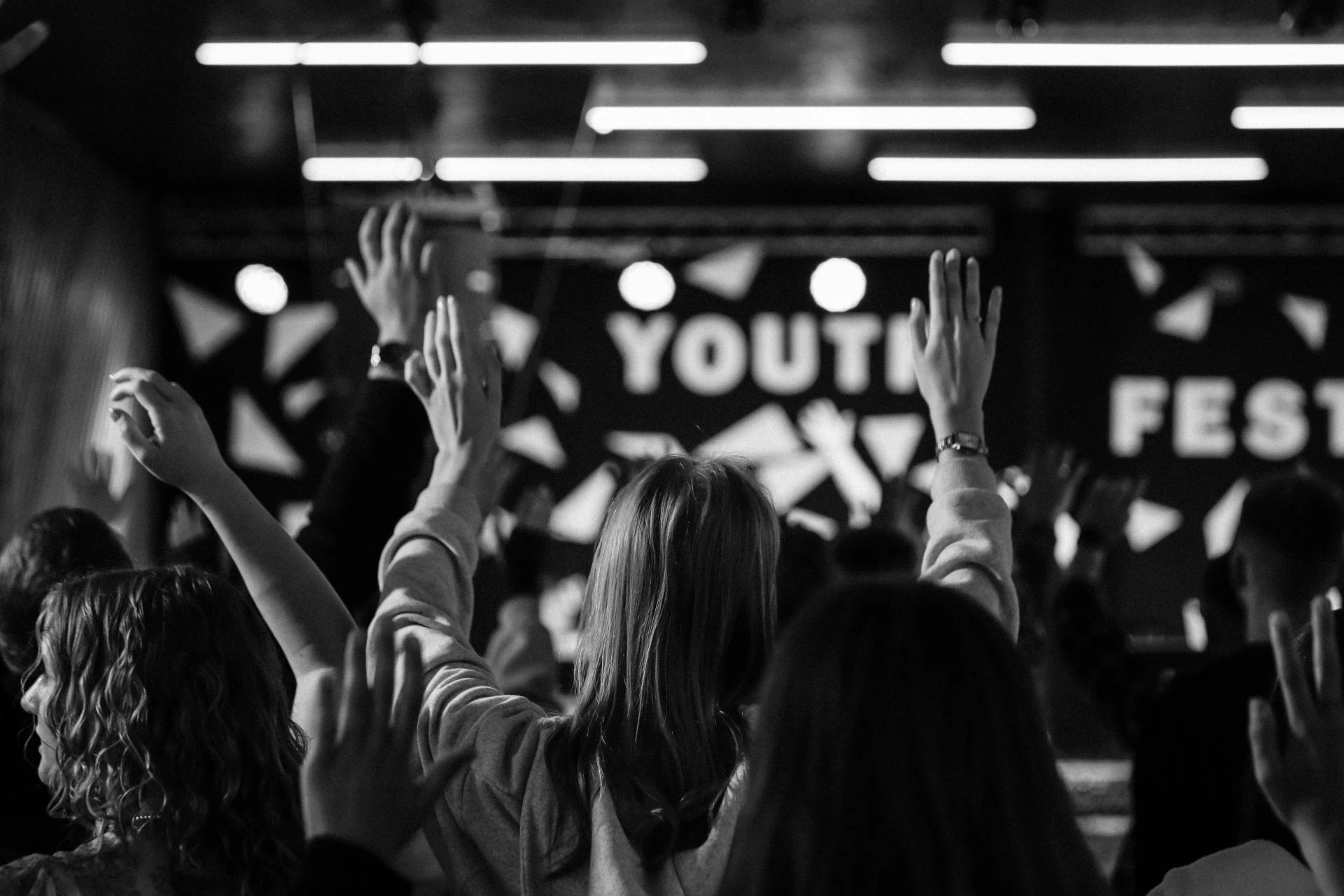
Live shows are where the magic truly happens. The synchronized dance moves, the fan chants, the sea of glowing lightsticks—it’s a surreal experience even for non-fans. And luckily for global fans, there’s no shortage of events. With upcoming Kpop concerts planned in Asia, Europe, and the U.S., fans are booking tickets months in advance. Some even travel across countries to see their favorite groups, treating concerts almost like pilgrimages.
The Business Side: A Multi-Billion Dollar Industry
According to the Korea Creative Content Agency, Kpop generated over $10 billion globally in 2022. Entertainment companies carefully train idols for years before debut, ensuring high performance standards. Critics sometimes compare it to a “music factory,” but the results speak for themselves.
Interestingly, Kpop’s impact is also boosting South Korea’s tourism. Many fans visit Seoul not only for concerts but also for Kpop-themed cafés, museums, and even street spots where idols once filmed.
Challenges Kpop Still Faces
Of course, it’s not all perfect. With global fame comes intense pressure:
- Idols often face mental health struggles due to the demanding schedules.
- Cultural differences sometimes spark controversies when certain concepts don’t translate well internationally.
- And then there’s the industry’s notorious trainee system, which is often criticized for being too harsh.
Yet, despite these issues, the passion of fans and the determination of idols keep pushing the movement forward.
What This Means for the Future of Music
Kpop’s rise isn’t just a passing trend—it’s changing the way the world sees pop culture. We’re entering a more interconnected music scene where language is no longer a barrier. If a Korean group can dominate U.S. charts, what’s stopping artists from Africa, Latin America, or the Middle East from doing the same?
The shift also shows us that fans today crave community and interaction, not just passive listening. And Kpop, with its mix of music, storytelling, and fan culture, has nailed this formula.
Final Thoughts: Is Kpop Really Taking Over?
At this point, the answer feels obvious—yes. But maybe it’s not about “taking over” in a hostile sense. Instead, Kpop is expanding the definition of pop music. It’s proof that talent, hard work, and clever fan engagement can break barriers once thought unshakable.
So the next time you hear someone humming a Kpop tune in a café in New York, or see a teenager in Paris practicing a choreography in the park, don’t be surprised. Kpop isn’t just music anymore—it’s a movement, a shared culture, a reminder that art truly knows no borders.
And honestly, whether you’re a die-hard fan or just casually listening, it’s hard not to get swept up in it.







Sign in to leave a comment.