

Storage Area Network (SAN) administrators face mounting pressure to deliver consistent performance while managing increasingly complex infrastructures. Traditional SAN management approaches often result in manual configuration errors, resource bottlenecks, and lengthy provisioning cycles that can impact business-critical applications.
Intent-Based Networking (IBN) represents a paradigm shift from reactive, manual storage management to proactive, automated infrastructure orchestration. By translating high-level business policies into automated network and storage configurations, IBN enables organizations to achieve predictable performance outcomes while significantly reducing operational overhead.
This comprehensive analysis examines how IBN revolutionizes SAN storage environments, delivering enhanced operational efficiency and strategic value for enterprise IT teams.
What is Intent-Based Networking?
Intent-Based Networking fundamentally transforms how network infrastructure operates by shifting from device-centric configuration to policy-driven automation. Rather than manually configuring individual switches, storage arrays, and interconnects, administrators define desired business outcomes through declarative policies.
The IBN framework operates on four core principles that distinguish it from traditional network management approaches:
Translation: High-level business requirements are automatically converted into specific device configurations across the SAN fabric. For example, a policy stating "ensure tier-one applications receive sub-millisecond latency" triggers automated quality-of-service configurations across relevant storage paths.
Activation: Validated configurations are deployed simultaneously across multiple infrastructure components, eliminating the manual coordination typically required for SAN modifications.
Continuous Monitoring: Real-time telemetry collection enables constant validation that actual performance aligns with declared intentions, providing granular visibility into storage fabric behavior.
Dynamic Correction: When performance deviates from defined policies, IBN systems automatically implement corrective actions, including traffic rerouting, resource reallocation, or alert generation for manual intervention.
How IBN Works in SAN Storage
IBN integration within SAN environments requires sophisticated orchestration between compute, network, and storage layers. The implementation typically centers around a centralized controller that maintains comprehensive topology awareness and policy enforcement capabilities.
Automated Provisioning
Traditional SAN provisioning requires administrators to manually configure LUN masking, zoning, and path optimization across multiple management interfaces. IBN streamlines this process by accepting high-level provisioning requests and automatically generating appropriate configurations for Fibre Channel switches, storage arrays, and host bus adapters.
When deploying new applications, administrators simply specify performance requirements, capacity needs, and availability constraints. The IBN system automatically identifies optimal storage resources, configures appropriate access paths, and implements necessary quality-of-service policies without manual intervention.
Policy-Based Management
IBN transforms SAN management from reactive troubleshooting to proactive policy enforcement. Organizations can establish policies governing data placement, performance thresholds, backup frequencies, and disaster recovery procedures. The IBN controller continuously monitors compliance and automatically implements corrective actions when deviations occur.
For instance, a policy requiring "mission-critical databases maintain 99.99% availability" triggers automatic failover procedures, redundant path activation, and performance monitoring without requiring administrator intervention during outage scenarios.
Benefits of IBN in SAN Storage
Improved Operational Efficiency
IBN significantly reduces the time required for routine SAN management tasks. Provisioning operations that previously required hours of manual configuration can be completed in minutes through automated workflows. This efficiency gain allows IT teams to focus on strategic initiatives rather than repetitive configuration tasks.
Error reduction represents another critical efficiency improvement. Manual configuration processes are inherently prone to human error, particularly in complex multi-vendor SAN environments. IBN eliminates many common configuration mistakes by implementing validated, tested configurations consistently across the infrastructure.
Reduced Complexity
Modern SAN environments often include storage arrays from multiple vendors, various interconnect technologies, and diverse host configurations. Managing this complexity through traditional tools requires deep expertise in each component's specific management interface and configuration syntax.
IBN abstracts this complexity behind unified policy definitions that automatically generate vendor-specific configurations. Administrators can manage heterogeneous SAN environments through consistent policy frameworks rather than navigating multiple specialized management tools.
Enhanced Performance
IBN enables more sophisticated performance optimization than traditional static configurations. By continuously monitoring actual performance metrics and comparing them against defined policies, IBN systems can dynamically adjust configurations to maintain optimal performance as workload patterns evolve.
This dynamic optimization extends beyond simple load balancing to include intelligent data placement, predictive capacity planning, and automated performance tuning based on application behavior patterns.
Use Cases for IBN in SAN Storage
Database Consolidation
Organizations consolidating multiple database instances onto shared SAN infrastructure benefit significantly from IBN's policy-driven resource allocation. Rather than manually calculating and configuring storage performance parameters for each database, administrators define service-level policies that automatically provision appropriate resources based on application requirements.
Disaster Recovery Automation
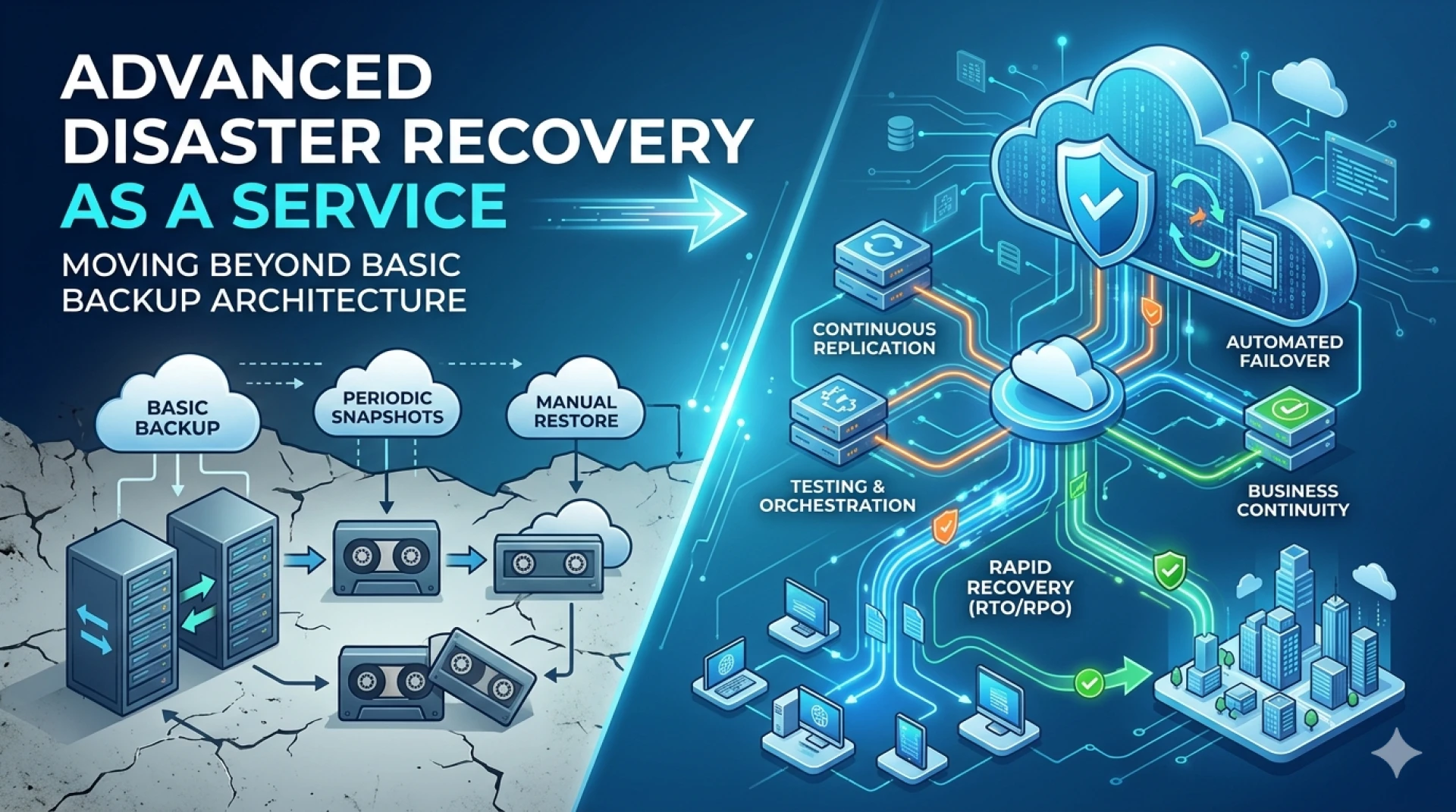
IBN streamlines disaster recovery procedures by automating the complex coordination required between primary and backup sites. Policies can automatically trigger data replication, failover procedures, and performance monitoring without manual intervention during disaster scenarios.
Multi-Tenant Storage Services
Service providers offering storage-as-a-service capabilities can leverage IBN to automatically provision and manage tenant-specific storage resources. Policies ensure performance isolation, capacity enforcement, and billing accuracy across multiple customer environments.
Implementation Considerations
Assessment and Planning
Successful IBN implementation requires comprehensive assessment of existing SAN infrastructure, including inventory of storage arrays, interconnect devices, and management tools. Organizations must evaluate current performance baselines, identify automation opportunities, and define measurable success criteria.
Phased Deployment Strategy
IBN implementation should follow a phased approach, beginning with non-critical workloads to validate configurations and operational procedures. This approach allows IT teams to develop expertise with IBN tools while minimizing risk to business-critical applications.
Staff Training Requirements
IBN represents a significant operational shift that requires investment in staff training. Administrators must develop skills in policy definition, automation workflow design, and troubleshooting techniques specific to intent-based systems.
Integration Challenges
Organizations with significant investments in existing management tools must carefully plan IBN integration to preserve operational continuity. This may require custom integration work or gradual migration strategies to minimize disruption.
The Future of Intelligent Storage Management
Intent-Based Networking represents the evolution of SAN management from reactive administration to proactive orchestration. Organizations implementing IBN achieve measurable improvements in operational efficiency, performance consistency, and infrastructure reliability while reducing the complexity burden on IT teams.
The strategic value of IBN extends beyond immediate operational benefits. By establishing policy-driven management frameworks, organizations create foundations for advanced capabilities including predictive analytics, machine learning-driven optimization, and seamless integration with cloud storage services.
Ready to transform your SAN storage solution management approach? Contact our infrastructure specialists to discuss how Intent-Based Networking can address your specific storage challenges and accelerate your digital transformation initiatives













Sign in to leave a comment.