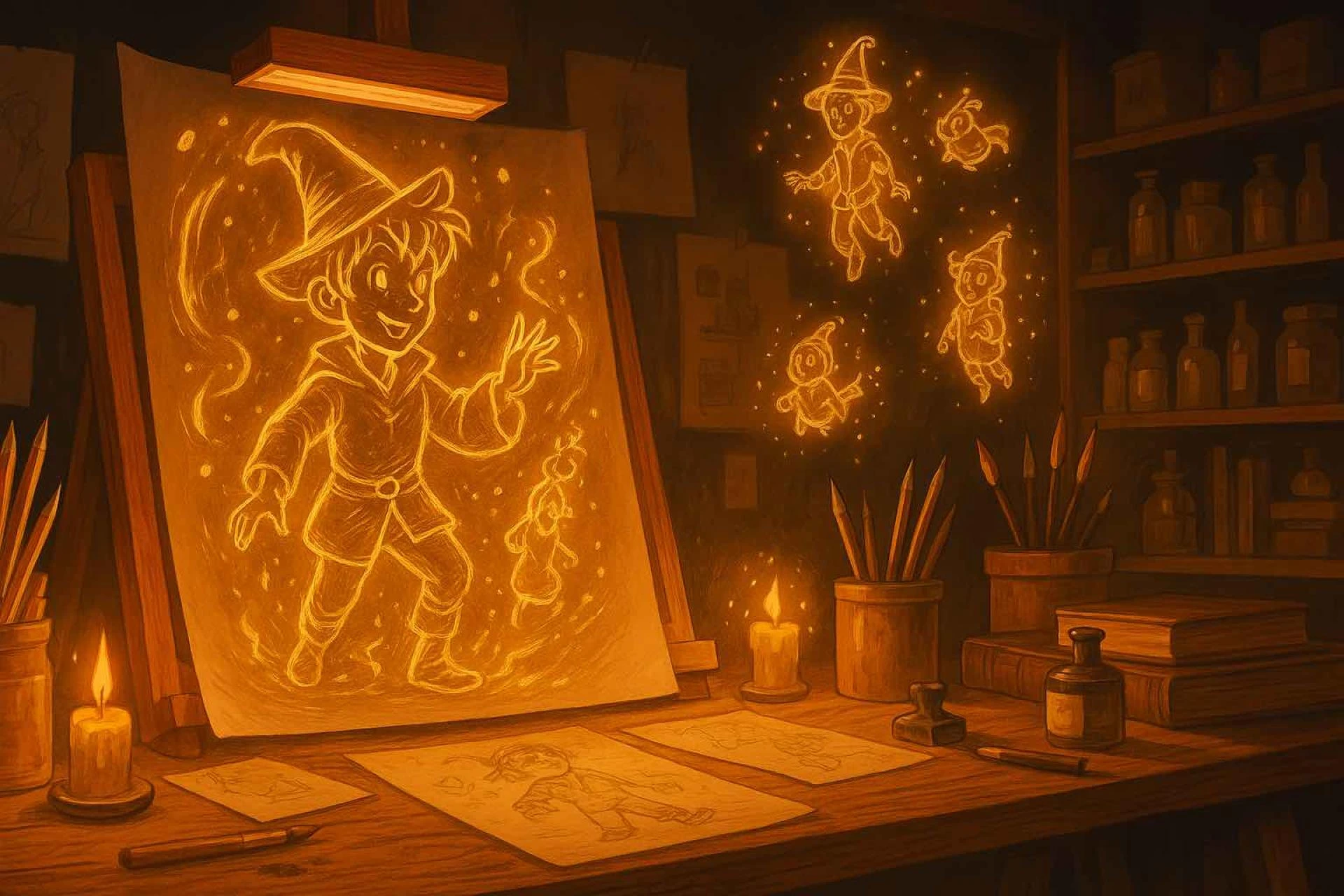

Character design is where the magic begins, breathing life into worlds and stories. What fuels this creativity? Let’s explore how artists craft characters that captivate our hearts and ignite our imaginations. Discover the secrets behind bringing characters to life!
Alchemy of Character Creation
Character design transcends merely sketching appealing images; it weaves together art, psychology, and storytelling. A well-crafted character reveals their essence without a word—their appearance, posture, and small details offer insight into their personality and backstory.
Consider your favorite animated characters: Totoro's enigmatic smile, Shrek's tough exterior masking a tender heart, or Elsa's regal yet vulnerable demeanor. Each stands out because their design evokes deeper emotions—it's not just about looks; it’s about the feelings they inspire.
Read Also on Character Designing:
Character Design Ideas: Thinking Outside the Box
Character Concept Art: Designing the Impossible
How to Design a Character - A Deep Dive into Character Design
Nature: The Ultimate Character Designer
The natural world is a phenomenal source of character design inspiration. Mother Nature has crafted an incredible array of "characters" over millions of years, each boasting unique and fascinating adaptations.
Consider these examples:
- An axolotl with its perpetual smile and its external gills would seem to suggest an adorably alien creature
- The majestic lionfish, with its flamboyant fins, would be a great reference point for a flamboyant underwater character.
- This bizarre naked mole rat could be the basis for a comically ugly but endearing sidekick.
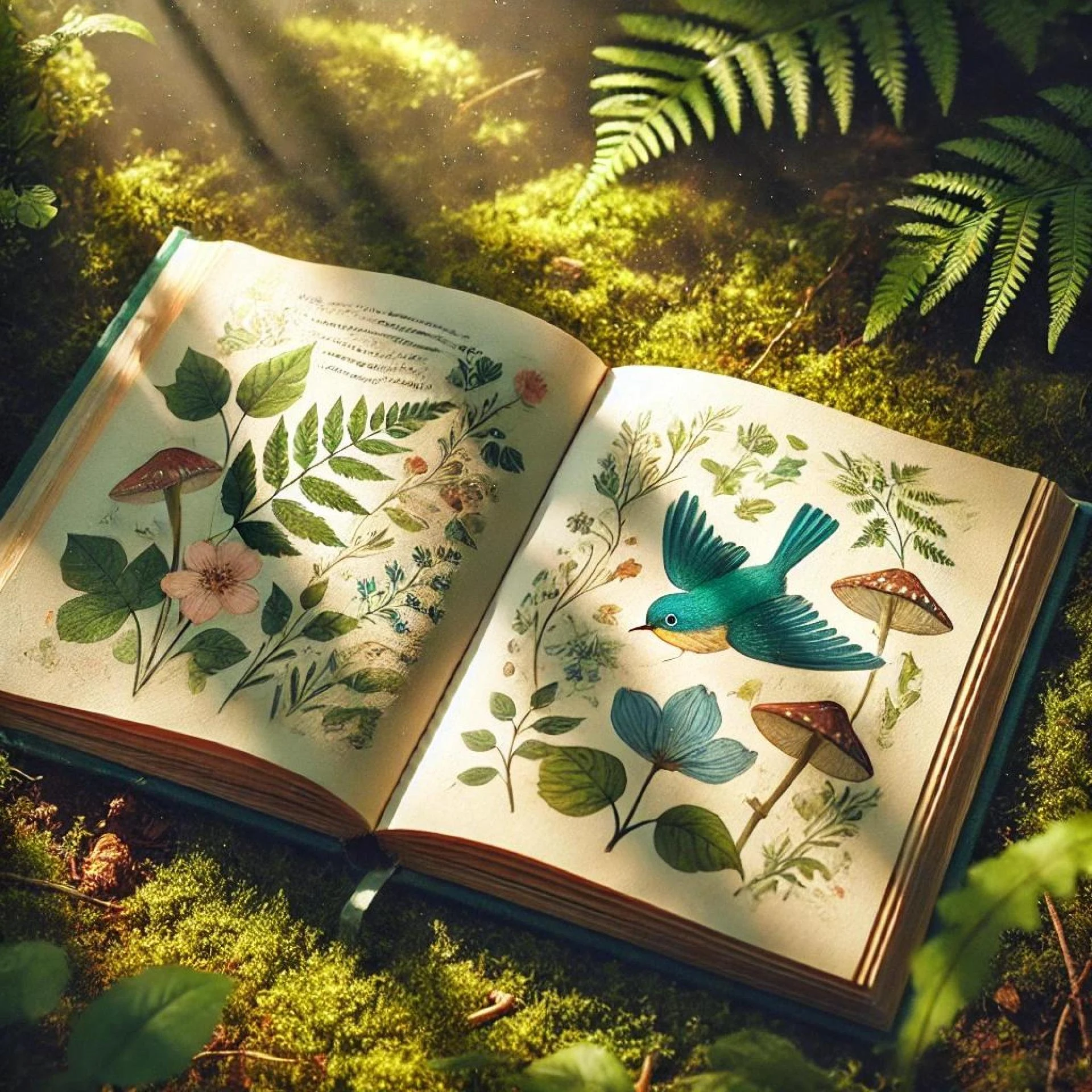
Nature holds an endless array of colors, textures, and forms that can get your imagination rolling. So next time you’re stuck, take a walk in the park or simply watch a nature documentary. You might be surprised at what you come up with.
History and Culture
Human history and culture serve as another fertile ground for character design inspiration. Every age, civilization, and cultural tradition provides a wealth of elements to choose from.
For example:
- Ancient Egyptian art offers mystical characters with bold profile views and symbolic imagery, perfect for creating timeless, powerful figures.
- The Baroque era's ornate style can inspire a flamboyant villain with dramatic flair and extravagant details.
- Japanese Noh masks can shape enigmatic spirit characters, with subtle, mysterious expressions that add an eerie, captivating presence.
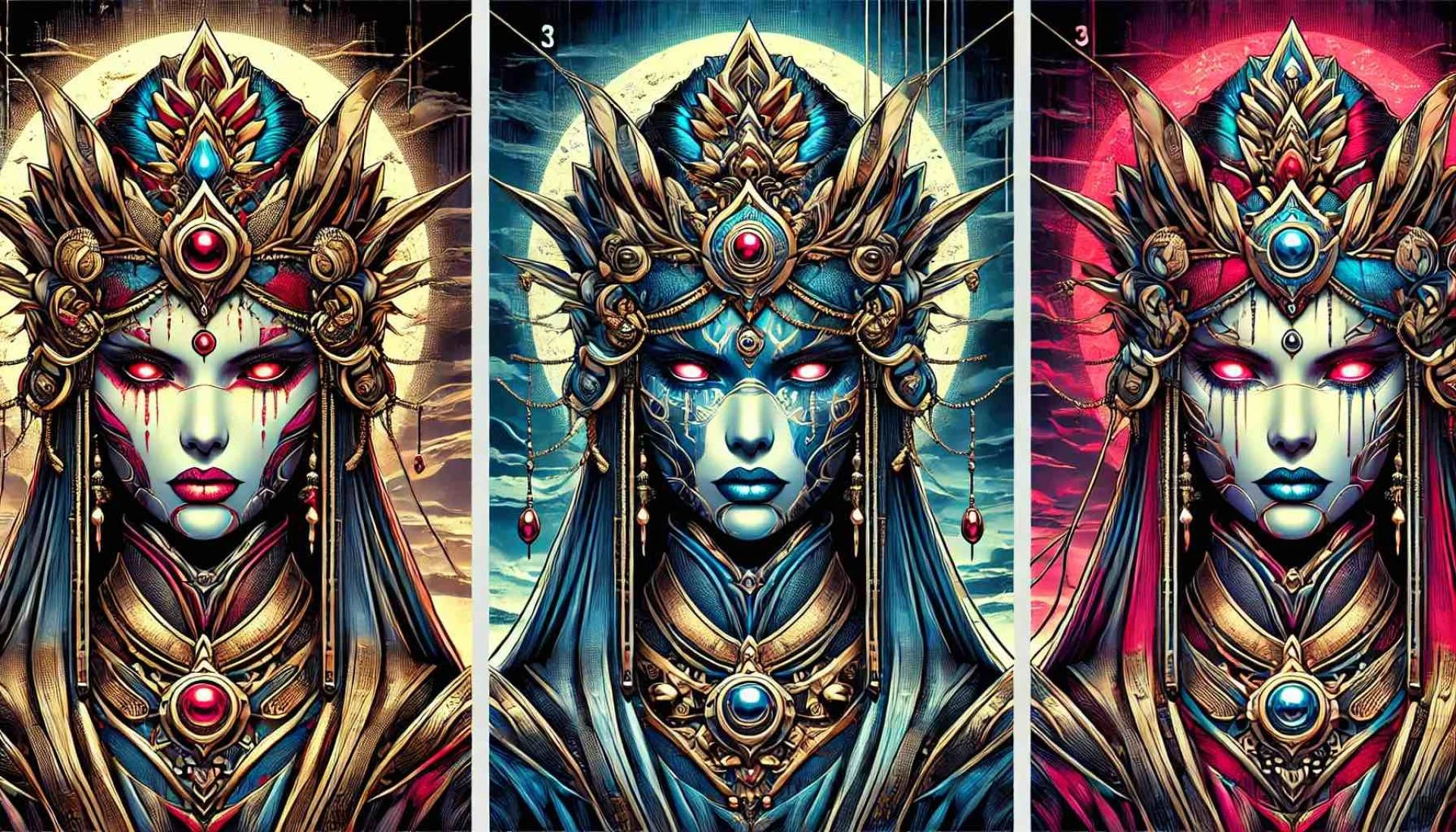
When using cultural materials as a starting point, it’s very important to handle the task sensitively. One is inspired and pays respect, rather than appropriating or in any way caricaturing these traditions.
From 2D to 3D: How to Design for Other Mediums
As the animation industry evolves, character designers are often called to think beyond traditional 2D designs. With the rise of 3D animation and live-action/CGI hybrids, designers face both exciting challenges and incredible opportunities to push their creativity further than ever before.
When designing for 3D:
- Consider what the character looks like from all angles
- Consider how they move and their relation with the environment they are in
- Take notice of textures and how these are going to translate into 3D rendering
- For example, perhaps one of the characters is designed to have wild, carefree hair that defies gravity; this would look good in a 2D sketch but turn into a headache when animating it in 3D. On the other hand, 3D animation brings very fine textures and lighting effects into a character, breathing life into it in a way that 2D animation cannot.
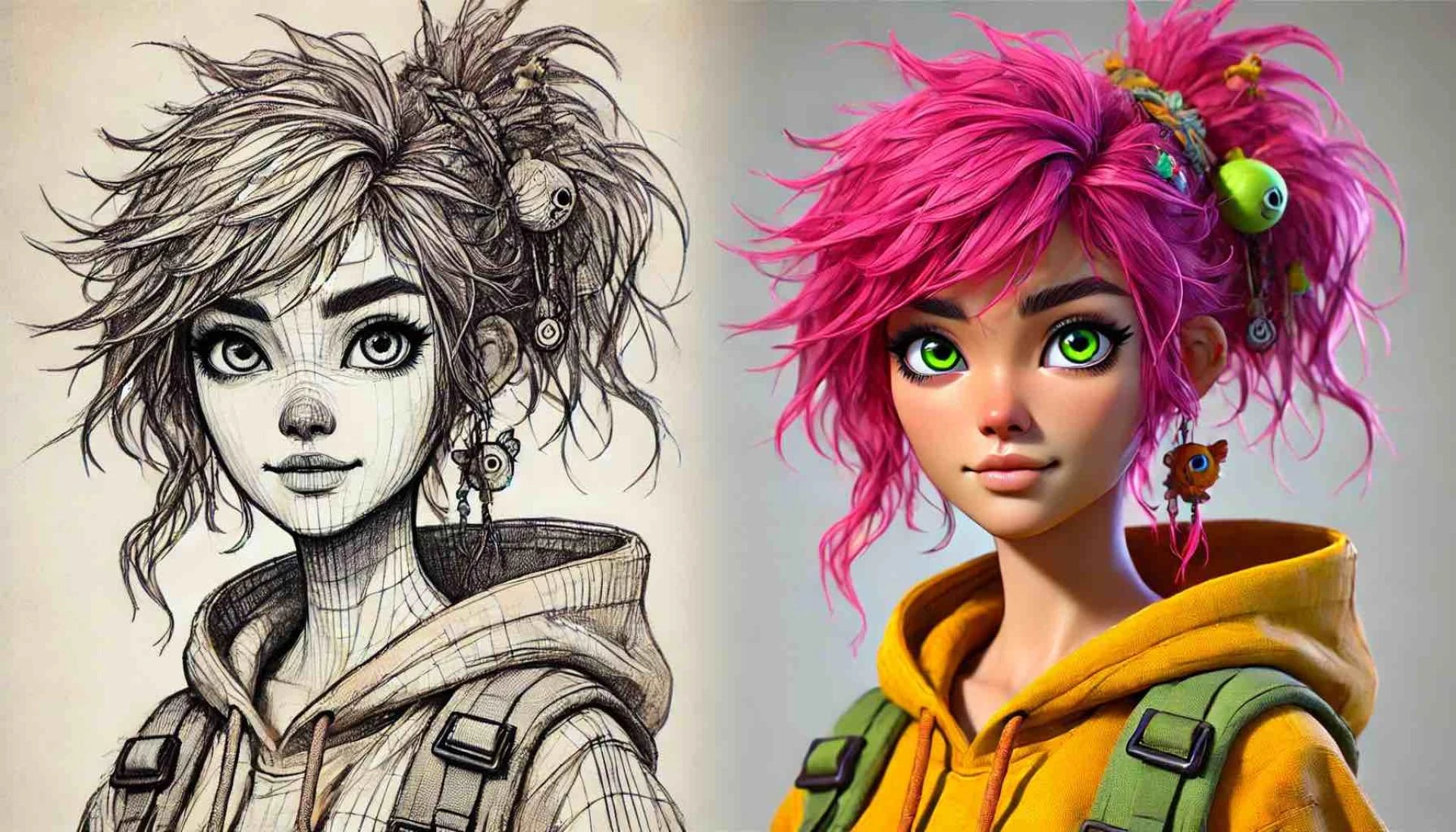
The Evolution of a Character from Concept to Final Design
Perfect character design rarely happens on the first try. More often than not, it’s a journey—one that involves multiple sketches, countless revisions, and constant refinement. It’s through this iterative process that the magic happens, transforming an idea into a fully realized, unforgettable character.
The normal process for character design is as follows:
- Initial concept sketches: Quick, rough drawings exploring different ideas
- Refinement: The most promising concepts are selected and further developed
- Feedback and revision: Share designs with the team and incorporate feedback
- Color and texture research: Experimentation with the different colour options and textures
- Turnarounds and expression sheet: Full detail views of the character in different angles and expression
- Final Polish: Finishing touches in the refinement to present a neat and tidy output of the design
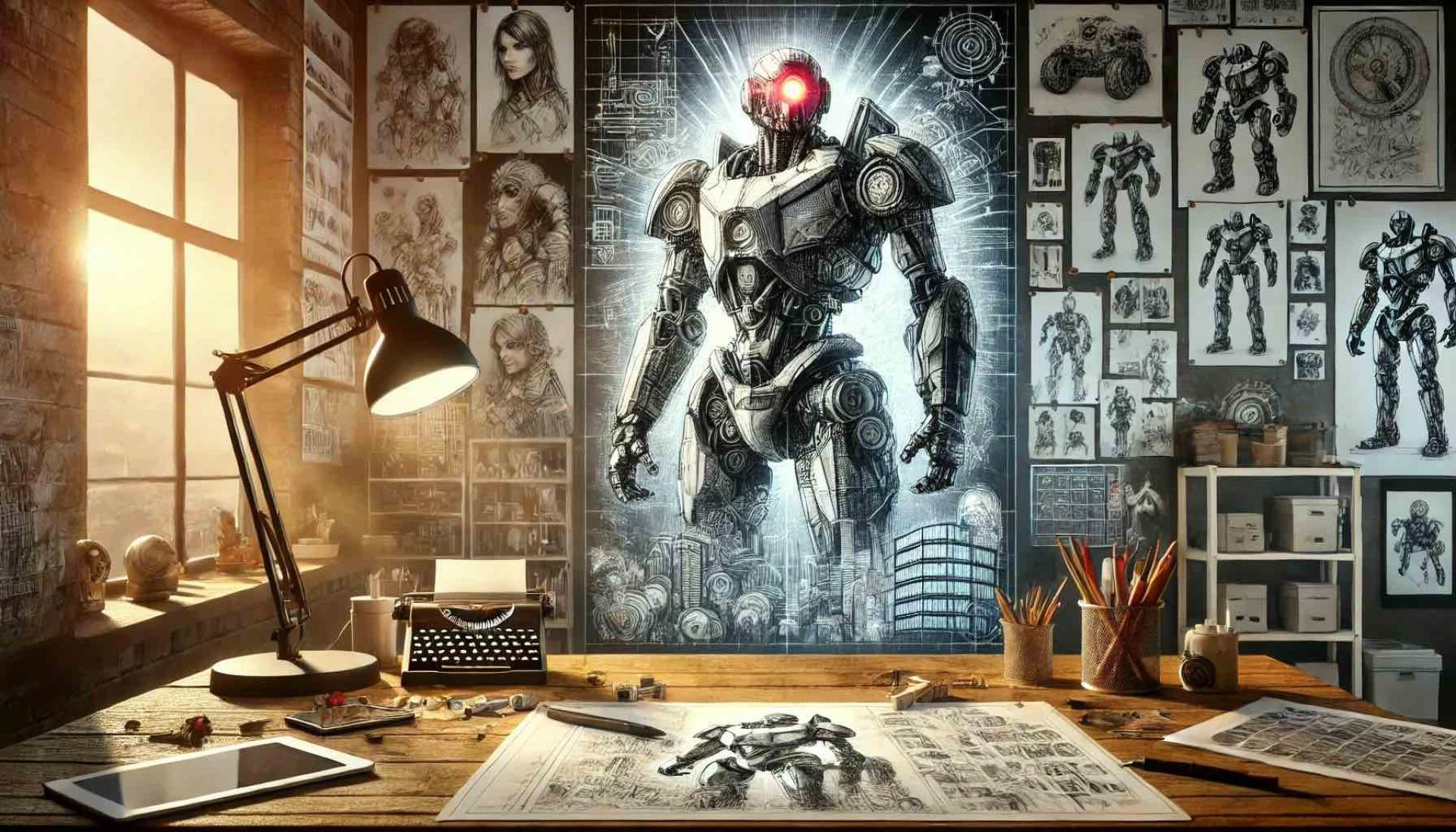
Keep in mind that designs evolve, and sometimes the final character turns out very different from where the original concept was. And that is okay!









Sign in to leave a comment.