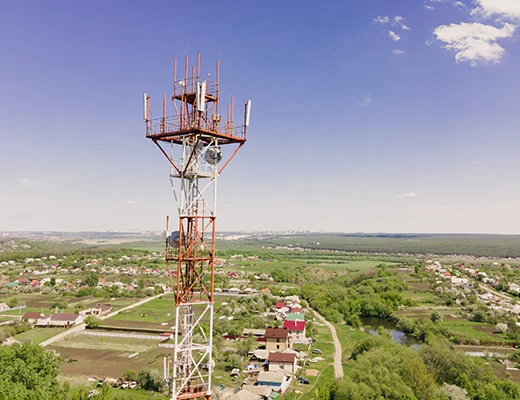

India’s telecommunication sector, one of the largest in the world, is undergoing a digital revolution with the rollout of 5G technology. As digital connectivity becomes central to innovation, governance, and economic growth, the 5G era promises to redefine how India communicates, conducts business, and delivers services.
5G in India: A Digital Leap
5G, short for fifth-generation mobile networks, offers significantly higher speeds, lower latency, and greater network reliability compared to its predecessors. The Indian government’s auction of 5G spectrum in 2022 marked the beginning of a new era, with Reliance Jio, Bharti Airtel, and Vodafone Idea leading the charge in deploying 5G networks.
5G is more than just faster internet—it's the foundation for technologies like the Internet of Things (IoT), AI-based services, augmented reality, and smart city applications.
Digital Infrastructure: Laying the Groundwork
To enable seamless 5G deployment, telecom companies are heavily investing in fiber-optic backhaul, tower upgrades, and network densification. Government programs like BharatNet are accelerating last-mile broadband connectivity in rural India, ensuring digital inclusion.
The rise of data centers across the country—driven by 5G-enabled cloud computing demand—is also boosting India’s digital infrastructure. Metro cities like Bengaluru, Hyderabad, and Mumbai are emerging as data infrastructure hubs.
5G and India’s Economic Growth
According to a report by the Department of Telecommunications (DoT), 5G is expected to add $450 billion to the Indian economy by 2040. Key sectors like:
- Healthcare: Enabling remote surgeries and real-time diagnostics
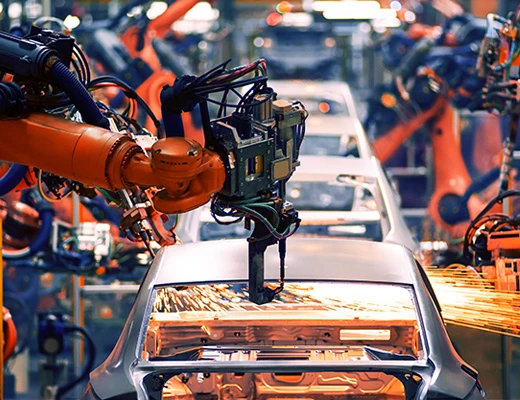
- Manufacturing: Facilitating smart factories and predictive maintenance
- Agriculture: Providing IoT-based solutions for precision farming
- Education: Enabling immersive e-learning through AR/VR
...will all benefit significantly from this transformation.
Policy and International Collaboration
India’s Digital Communications Policy, along with PLI schemes for telecom equipment manufacturing, has encouraged both domestic and foreign investments. Collaborations with Nokia, Ericsson, and Samsung are helping fast-track 5G deployments, bringing global tech expertise into the Indian ecosystem.
Additionally, India is working on developing indigenous 5G standards through initiatives like Bharat 6G Vision, aiming to become a global leader in future telecom technologies.
Challenges and the Way Forward
Despite the promise, challenges remain: spectrum pricing, infrastructure readiness in remote areas, and device compatibility. However, with ongoing investment, favorable government support, and rapid digital adoption, these hurdles are being addressed swiftly.
Conclusion
India’s telecom sector is no longer just about connectivity—it is becoming the backbone of the country’s digital economy. The 5G era promises to usher in unprecedented innovation, inclusivity, and economic opportunity. As these digital highways expand, they will connect every village, power every startup, and reshape every industry.

































Sign in to leave a comment.