You’ve seen numerous creators flourish online. Some have become well-known figures, while others are just like you—enthusiastic, motivated, and perhaps still filming with their smartphones. But now, you’re ready to make a commitment. You’re not merely contemplating vlogging anymore—you’re all in. And thus, the search begins for your most crucial tool: the vlog camera.
This isn’t merely a tech acquisition—it’s a creative investment. You’re not just purchasing a device; you’re choosing a companion for your storytelling journey.
The Importance of a Dedicated Vlog Camera
Certainly, your smartphone is quite capable. If you’re merely dabbling, it might suffice. However, the instant you desire sharper images, clearer audio, enhanced stabilization, and a genuine professional touch—you’ll require the finest vlogging camera available.
Here’s the reality: viewers assess content quality in mere seconds. If your audio is distorted or your video is shaky, they will quickly scroll past. The right camera won’t just enhance your work—it will keep your audience engaged, subscribing, and returning for more.
Step 1: Identify Your Vlogging Style
Before diving into specifications and price ranges, take a moment to reflect. Consider your objectives:
- Are you documenting everyday life in your apartment?
- Planning cinematic travel escapades?
- Creating beauty tutorials or tech reviews in your home studio?
- Filming fast-paced sports or outdoor adventures?
Different styles necessitate different camera capabilities. For instance:
- Casual lifestyle or daily vloggers: You’ll want a compact, lightweight camera with decent audio quality.
- Travel vloggers: Focus on portability, weather resistance, and extended battery life.
- Studio creators: You can opt for something bulkier, perhaps with interchangeable lenses and advanced features.
- Action vloggers: You’ll need a rugged camera with superior stabilization.
Understanding your objectives will significantly narrow down your options.
Step 2: Key Features to Consider in a Vlog Camera (The Essentials)
Whether you’re a novice or an experienced creator, there are several aspects you must get right:
Video Quality
Aim for a minimum of 1080p Full HD, but 4K is becoming the norm in 2025. It’s not just about achieving a crisp look—it’s about ensuring your content is future-proof. Even if you edit in 1080p, having 4K footage allows you to crop, zoom, and make adjustments.
Flip-Out or Articulating Screen
You need to be able to see yourself while filming. Whether it’s for checking focus, framing your shot, or shooting solo—this feature is essential.
Audio Input
Viewers may overlook shaky footage. However, they won’t tolerate poor sound quality. A microphone input allows you to connect external mics, which can significantly enhance your audio.
Autofocus
Fast and dependable autofocus with face or eye detection keeps your video looking professional—even when you’re on the move.
Portability
Especially if you’re frequently on the go, a lighter, more compact setup will make vlogging less of a chore—and more enjoyable.
Image Stabilization
If you’re shooting handheld, built-in stabilization is invaluable. It smooths out shakes and jitters, giving your videos a refined appearance.
Step 3: Leading Vlog Camera Categories in 2025
Let’s categorize this information so you can align your needs with the appropriate type of camera.
1. The Pocket Powerhouse
You want something small yet powerful. It should easily fit in your bag but shine in your footage.
- Why choose it? For creators on the go, these cameras provide excellent quality with extreme portability.
- Features to look for: Gimbal stabilization, wide-angle lens, touch screen, and impressive battery life.
Pro Tip: Gimbal-based vlog cameras like the DJI Osmo Pocket series are hard to surpass for travelers.
Read More:- Osmo Mobile 7 Series
2. All-in-One Compact Vlog Cameras
These are designed specifically for vloggers. They come with flip screens, hot shoe mounts, and directional microphones—ready to use right out of the box.
- Why choose it? You don’t want to deal with interchangeable lenses or complicated settings.
- Ideal for: Daily vlogging, first-time creators, and solo filming.
Pro Tip: Look for cameras that feature a dedicated bokeh button, product showcase mode, or custom skin tone filters.
3. Mirrorless Vlog Cameras
These are high-performance devices that offer flexibility and professional-level visuals.
- Why choose it? You want control over your image. You may want to use various lenses. You might even want to take photos as well.
- Ideal for: Studio vloggers, content creators looking to elevate their game, or anyone seeking serious creative flexibility.
Pro Tip: Use prime lenses (like 16mm or 24mm) for that beautiful background blur.
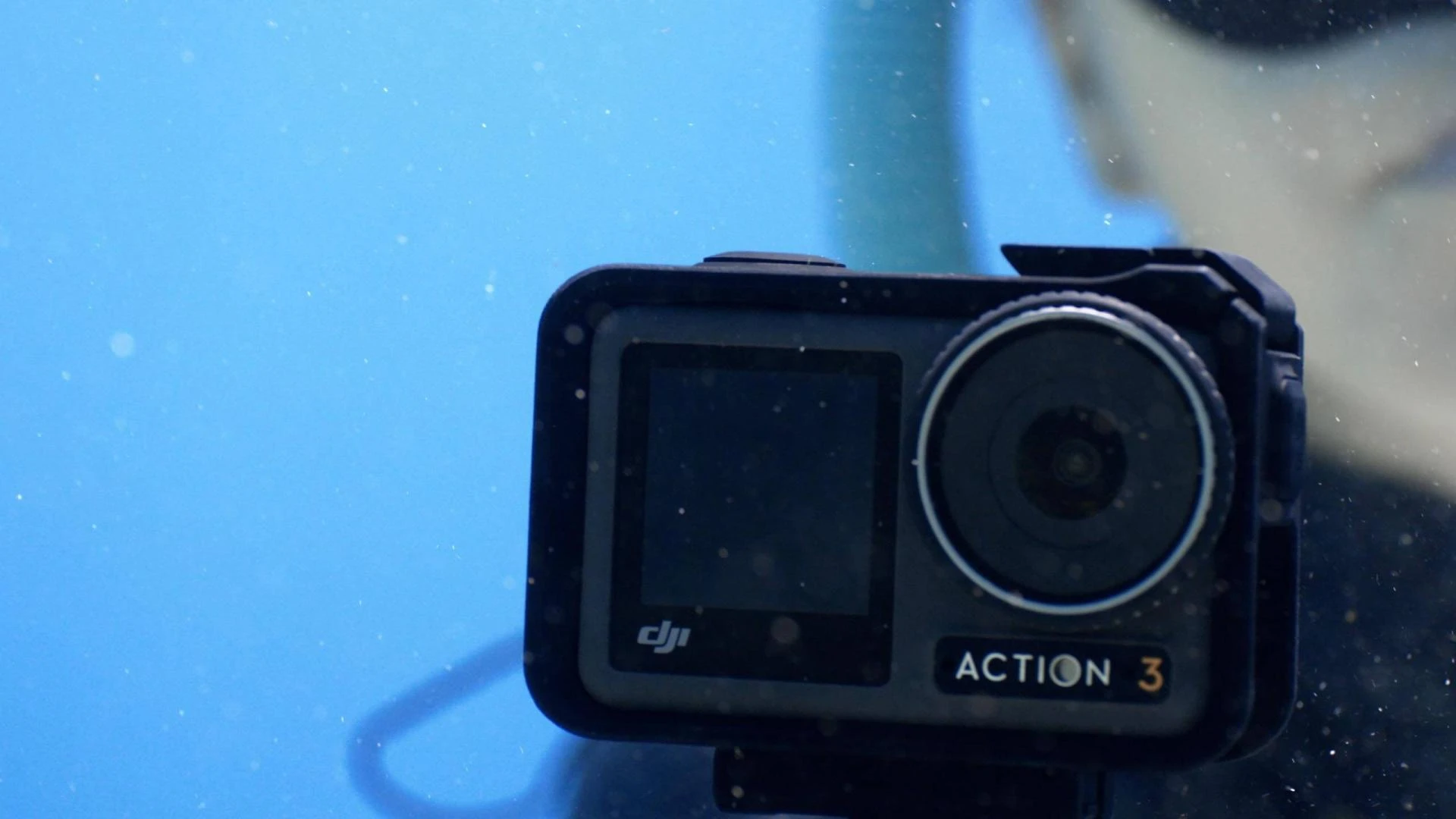
4. Action Cameras for Adventure Vloggers
From hiking trails to underwater explorations, action cameras are durable, compact, and designed for movement.
- Why choose it? You need resilience, stabilization, and waterproof capabilities.
- Ideal for: Extreme sports, nature vlogging, biking, skiing, and more.
Pro Tip: Invest in ND filters if you’re filming in bright conditions for more cinematic results.
Step 4: Budgeting—What Should You Spend?
Here’s a straightforward guide, with pricing in USD:
- Entry-Level ($300–$600)
- Perfect for beginners, these cameras provide decent video quality and built-in features without overwhelming complexity.
- Mid-Range ($600–$1,000)
- Expect improved sensors, low-light performance, microphone inputs, and flip screens.
- Pro-Level ($1,000+)
- Ideal for serious creators. These models offer interchangeable lenses, large sensors, external monitor compatibility, and full-frame options.
Your budget should align with your aspirations. If you’re serious about vlogging for the long haul, consider investing in a future-proof setup rather than upgrading every year.
Step 5: Vlogging Camera Setup Add-Ons (Optional But Transformative)
Even the best vlogging camera can benefit from the right accessories:
- Tripod or Hand Grip – Stabilize your shots and enhance composition.
- External Microphone – Essential for clear, directional sound.
- LED Light – Useful for indoor or low-light filming.
- Extra Batteries – Ensure you never run out of power mid-recording.
- ND Filter – Manage exposure in bright daylight for superior video quality.
Real Talk: What’s the Best Vlogging Camera for YOU?
Now, here’s the reality that many hesitate to voice:
The best vlogging camera is the one you will actually use.
There’s no magical device that will instantly make your content go viral. However, there is one that simplifies filming, streamlines editing, and accelerates uploading.
It may not be the flashiest or priciest option. But if it suits your lifestyle, provides the features you require, and empowers you to create consistently—that’s your ideal match.
Your Vlog Starter Checklist Before you hit “record,” ensure your camera setup meets these criteria:
✔️ 4K video or higher
✔️ Flip screen
✔️ Microphone input or high-quality internal mic
✔️ Reliable autofocus
✔️ Stabilization (built-in or handheld)
✔️ Lightweight enough to carry everywhere
✔️ You feel comfortable using it!
Final Thoughts: Begin Where You Are, Progress as You Go
So here you are—at the starting point of your vlogging adventure. It’s thrilling. Perhaps even a bit daunting. But here’s the encouraging news: you’ve already taken the most challenging step by deciding to start.
The vlog camera you select will be your creative ally. It’s not about finding the most expensive or feature-rich model—it’s about discovering the right tool to capture your voice, your perspective, your narrative.
Because ultimately, it’s not the equipment that creates exceptional content.
It’s you









Sign in to leave a comment.