

Shipping costs can quietly eat into profits, especially for businesses operating across the vast landscape of the United States. Many companies focus on negotiating carrier rates, but one of the most effective ways to reduce expenses lies in something much simpler—lightweight packaging.
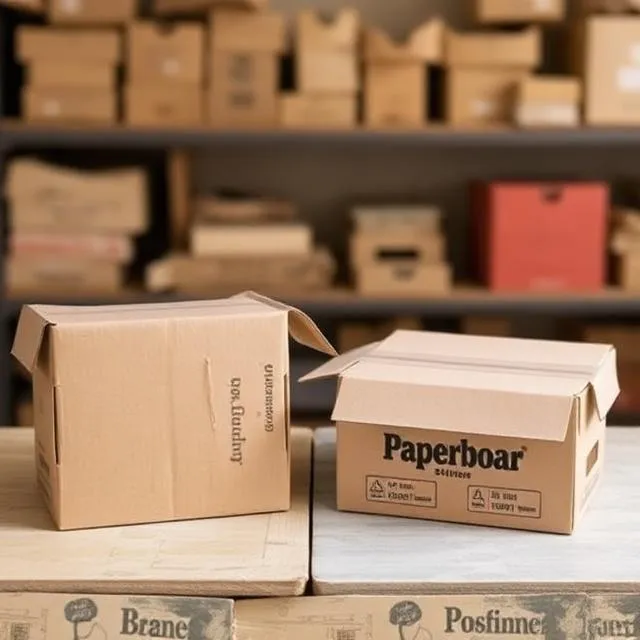
The Impact of Weight on Shipping Costs
In the USA, shipping carriers calculate costs based on both weight and dimensions. Heavier packages often result in higher fees, making packaging choices a critical factor in cost management.
Lightweight packaging reduces the overall weight of shipments, helping businesses save money on every order.
Choosing the Right Materials
Materials such as corrugated cardboard and lightweight mailers are commonly used to reduce shipping weight. These materials provide sufficient protection while minimizing added bulk.
Businesses in the United States often experiment with different materials to find the right balance between durability and weight.
Optimizing Packaging Design
Efficient packaging design ensures that there is minimal unused space inside the box. This reduces the need for additional filler materials and keeps the package compact.
Compact packaging not only lowers weight but also improves storage and handling efficiency.
Improving Operational Efficiency
Lightweight packaging simplifies logistics by making packages easier to handle and transport. This can lead to faster processing times and improved overall efficiency.
In the competitive US market, faster and more cost-effective shipping can enhance customer satisfaction and give businesses an edge.
Conclusion
Reducing shipping costs with lightweight packaging is a practical strategy for businesses in the USA. By focusing on material selection, design optimization, and efficiency, companies can lower expenses while maintaining product quality. Small changes in packaging can lead to significant savings over time.














Sign in to leave a comment.