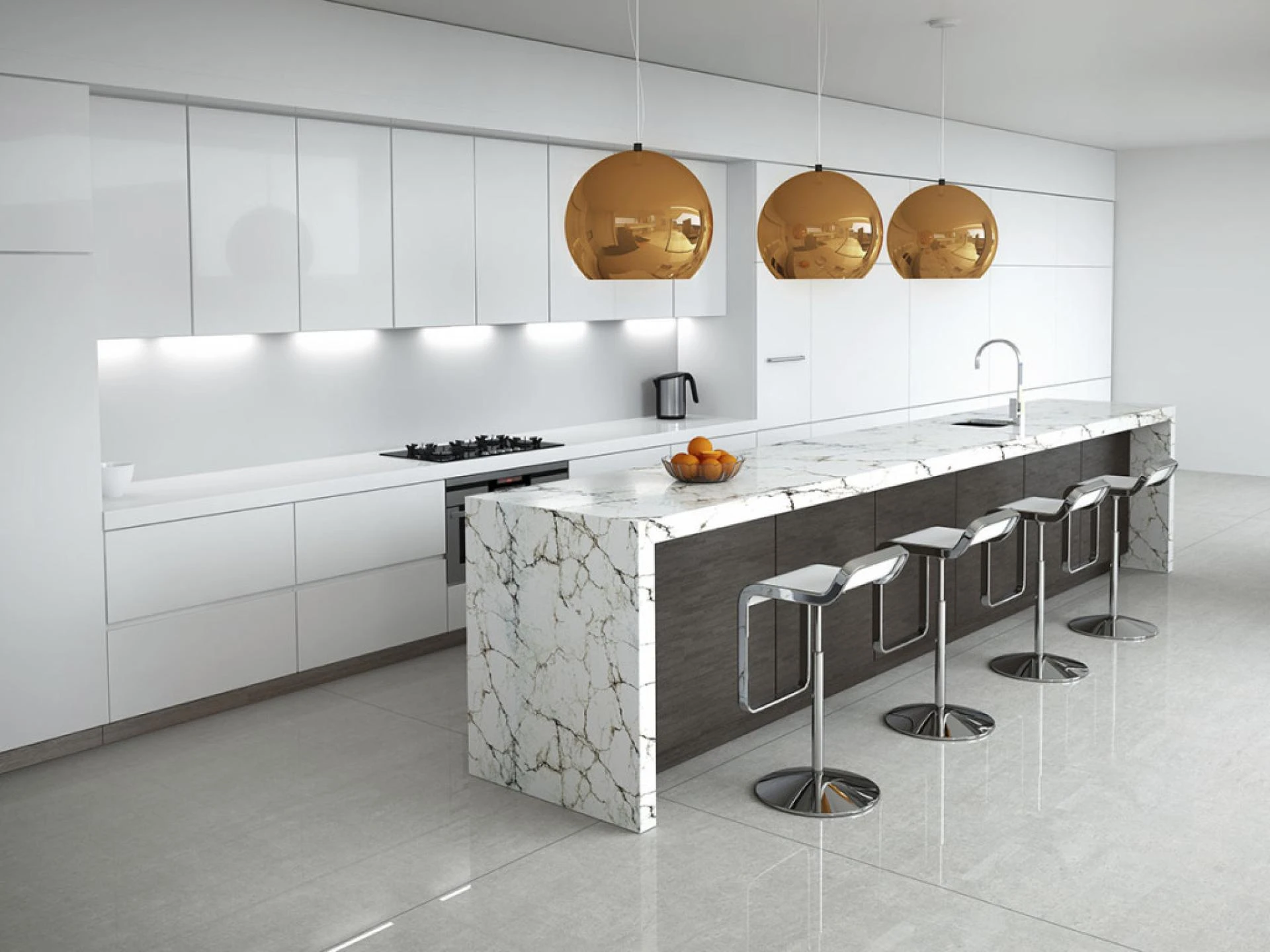

Choosing the right material for your kitchen benchtop is crucial, as it impacts both the aesthetics and functionality of your space. Whether you're looking for a luxurious natural stone or a budget-friendly option, each material has its pros and cons. Here’s a guide to help you decide on the perfect kitchen benchtop material.
1. Granite
Granite is a popular choice for kitchen benchtops due to its durability and natural beauty. It is a hard, heat-resistant stone that can withstand daily wear and tear.
Pros:
- Extremely durable and scratch-resistant
- Heat and stain-resistant with proper sealing
- Unique, natural patterns and colors
Cons:
- Can be expensive
- Requires periodic sealing to maintain its resistance to stains
- Heavy, requiring sturdy cabinetry support
2. Budget-Friendly Laminate
Laminate benchtops are an excellent choice for those looking for an affordable yet stylish option. They come in a wide range of colors and patterns, including designs that mimic stone and wood.
Pros:
- Cost-effective and widely available
- Low maintenance and easy to clean
- Variety of design options
Cons:
- Prone to scratches and heat damage
- Not as durable as natural stone
- Can be difficult to repair if damaged
3. Quartz Benchtops
Quartz is an engineered stone that combines natural quartz with resins to create a non-porous and highly durable surface. It’s a great alternative to natural stone for those who want a low-maintenance option.
Pros:
- Non-porous, making it resistant to stains and bacteria
- Wide variety of colors and designs
- Highly durable and scratch-resistant
Cons:
- Can be expensive compared to laminate
- Less heat-resistant than granite
- Requires professional installation
4. Metal
Metal benchtops, such as stainless steel, are commonly used in professional kitchens due to their sleek appearance and functionality. They provide a modern, industrial look that suits contemporary kitchens.
Pros:
- Highly durable and heat-resistant
- Easy to clean and maintain
- Hygienic and non-porous
Cons:
- Prone to scratches and dents over time
- Can feel cold and industrial in home kitchens
- Expensive compared to some other options
5. Marble
Marble is synonymous with luxury and elegance, making it a favored choice for high-end kitchens. However, it requires careful maintenance to keep it looking pristine.
Pros:
- Stunning natural patterns and unique veining
- Cool surface ideal for baking and pastry preparation
- Increases property value
Cons:
- Porous and prone to staining, requiring regular sealing
- Can scratch and chip easily
- Expensive compared to other materials
6. Timber
Timber benchtops add warmth and character to a kitchen. They provide a natural, rustic aesthetic and can be customized to suit various kitchen styles.
Pros:
- Adds warmth and a natural feel to the space
- Can be sanded and refinished if damaged
- Sustainable options available
Cons:
- Requires regular sealing and maintenance
- Can be damaged by moisture and heat
- Prone to scratches and dents
Final Thoughts
When choosing a kitchen benchtop material, consider factors such as budget, durability, maintenance, and aesthetics. Granite and quartz are excellent for long-term durability, while laminate and timber offer budget-friendly and warm alternatives. Marble and metal are great for those seeking a high-end or industrial look.
Assess your lifestyle needs and personal style to make the best decision for your kitchen benchtop!
Sign in to leave a comment.