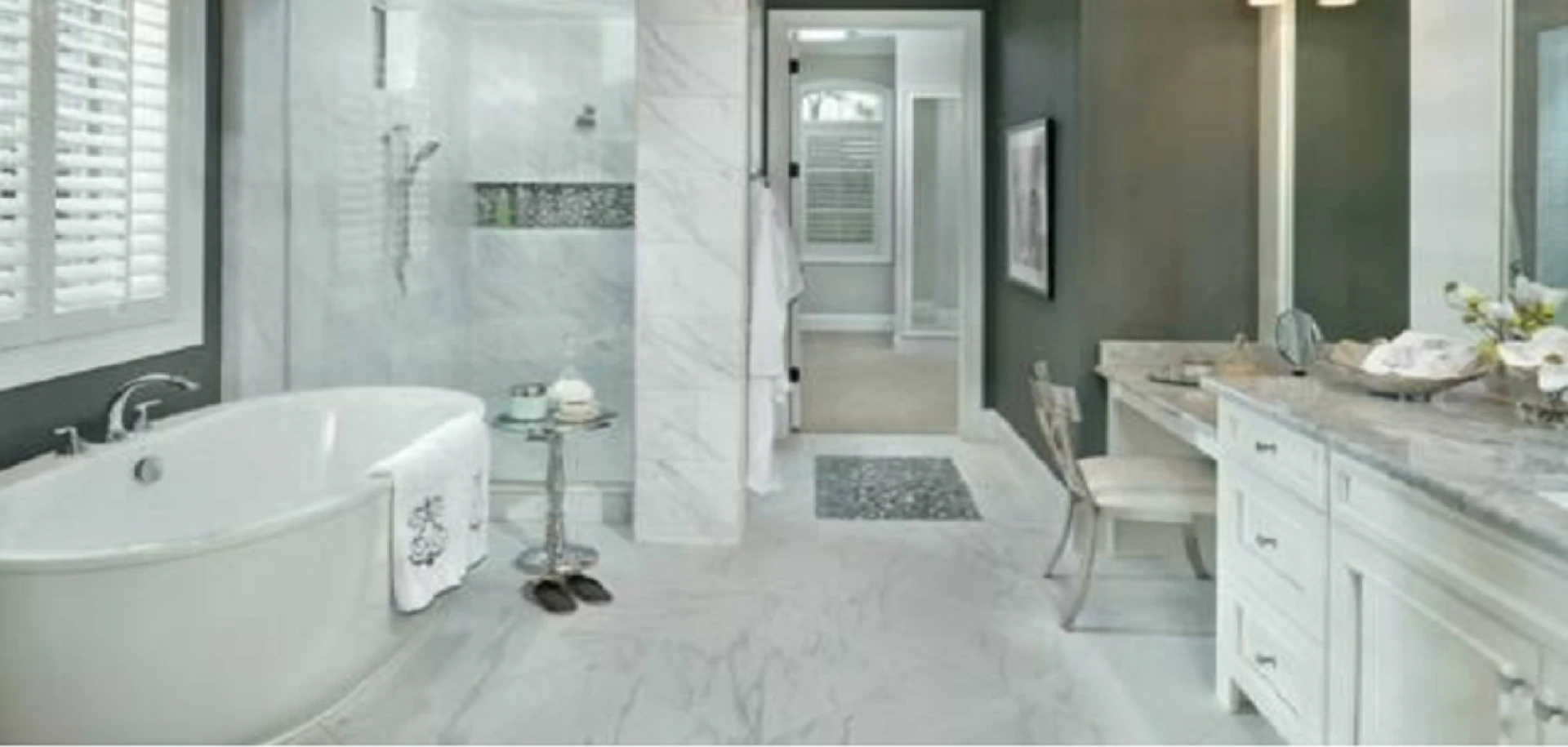

As your family's needs evolve, your home should adapt accordingly. Whether you're seeking additional space for a growing family, a dedicated home office, or a more open living area, a well-planned house extension can transform your living experience. Here's a structured approach to kickstart your house extension journey:
1. Define Your Objectives
Begin by identifying the primary reasons for your extension:
- Additional Space: Do you need extra bedrooms, a larger kitchen, or a new living area?
- Functionality: Are you aiming for a home office, gym, or entertainment room?
- Aesthetic Appeal: Do you wish to modernize your home's appearance or enhance natural lighting?
Understanding your goals will guide the design and planning process effectively.
2. Assess Your Property
Evaluate the existing structure and available space:
- Land Availability: Determine if there's sufficient space for a ground-floor extension or if a second-storey addition is more feasible.
- Structural Integrity: Consult with a structural engineer to assess if your current foundation can support an additional storey.
- Orientation and Natural Light: Consider how the extension will affect sunlight and ventilation within your home.
3. Understand Local Regulations
In Nagpur, it's crucial to be aware of local building codes and regulations:
- Building Permissions: Check with the Nagpur Municipal Corporation for necessary permits.
- Zoning Laws: Ensure your extension complies with zoning restrictions, including setbacks and height limitations.
- Heritage Considerations: If your property is in a heritage zone, additional approvals may be required.
Engaging with a local architect or builder familiar with Nagpur's regulations can streamline this process.
4. Budget Planning
Establish a realistic budget that encompasses:
- Design and Consultation Fees
- Construction Costs
- Permit and Approval Charges
- Contingency Funds: Allocate an additional 10-15% for unforeseen expenses.
Obtaining multiple quotes from reputable contractors in Nagpur will provide a clearer financial picture.
5. Design Development
Collaborate with professionals to bring your vision to life:
- Architectural Design: Work with an architect to create plans that align with your objectives and comply with regulations.
- Interior Design: Consider hiring an interior designer to optimize space utilization and aesthetics.
- Sustainable Solutions: Explore eco-friendly materials and energy-efficient designs to reduce long-term costs.
6. Selecting the Right Contractor
Choosing a reliable contractor is pivotal:
- Experience: Look for contractors with a proven track record in house extensions.
- References: Request and verify references from previous clients.
- Licensing and Insurance: Ensure the contractor is licensed and carries adequate insurance coverage.
Platforms like Extensions Unlimited emphasize the importance of a streamlined process, from initial consultation to project completion, ensuring minimal stress for homeowners.
7. Project Timeline and Management
Establish a clear timeline:
- Milestones: Define key stages such as design finalization, permit acquisition, construction phases, and completion.
- Regular Updates: Maintain open communication with your contractor for progress updates.
- Quality Checks: Schedule inspections at various stages to ensure adherence to quality standards.
8. Post-Completion Considerations
After the extension is complete:
- Final Inspection: Conduct a thorough walkthrough to identify any issues.
- Documentation: Ensure all permits, warranties, and manuals are handed over.
- Maintenance Plan: Discuss maintenance requirements to preserve the extension's condition.
Embarking on a house extension in Nagpur can be a rewarding endeavor when approached methodically. By defining clear objectives, understanding local regulations, and collaborating with experienced professionals, you can enhance your living space to meet your evolving needs.










Sign in to leave a comment.