

When I was first exploring ADHD treatment options, I expected the solution to be simple, maybe a pill that instantly improved focus and motivation. But the reality is more layered. ADHD isn’t a one-size-fits-all condition, and the right treatment plan often involves more than just medication. For many people, Strattera (atomoxetine) plays a key role in a broader, personalized strategy.
If you're new to this medication or are reconsidering your current plan, let’s break down how Strattera can be a valuable part of your ADHD management toolkit.
Understanding Strattera: A Non-Stimulant Approach
Unlike stimulant medications such as Adderall or Ritalin, Strattera is a non-stimulant approved by the FDA to treat ADHD in both children and adults. It works differently; it affects norepinephrine, a brain chemical involved in attention and impulse control, rather than quickly increasing dopamine levels like stimulants do.
Because of this, Strattera is less likely to cause the spikes, crashes, or potential dependency issues sometimes associated with stimulant use.
“Not every brain responds to treatment in the same way, and that’s okay,” says Dr. Ned Hallowell, a psychiatrist who has spent decades working with individuals with ADHD. “The goal is to find what supports you best mentally, emotionally, and functionally.”
Why Some People Prefer Strattera
Fewer Concerns Around Addiction
For individuals with a personal or family history of substance use, stimulants can raise some red flags. Strattera offers a non-addictive alternative that still helps reduce common ADHD symptoms like inattention, hyperactivity, and impulsivity.
Long-Term Consistency
Strattera takes time to build up in your system; it might take several weeks to feel full effects. But once it kicks in, many people find it provides steady, all-day symptom relief without the peaks and valleys of fast-acting stimulants.
Comparing Options: Adderall vs. Strattera
If you're weighing treatment routes, the differences between adderall vs strattera are worth exploring. Adderall is a powerful stimulant that offers quick results and has helped many manage their ADHD successfully. But it also comes with potential side effects like sleep issues, appetite loss, and risk of misuse.
Strattera, on the other hand, is often better suited for individuals who:
- Don’t respond well to stimulants
- Are managing coexisting anxiety or mood disorders
- Want a more gradual and consistent effect
- Prefer a non-controlled substance
There’s no “better” option, just what’s best for you.
The Role of Strattera in a Broader ADHD Treatment Plan
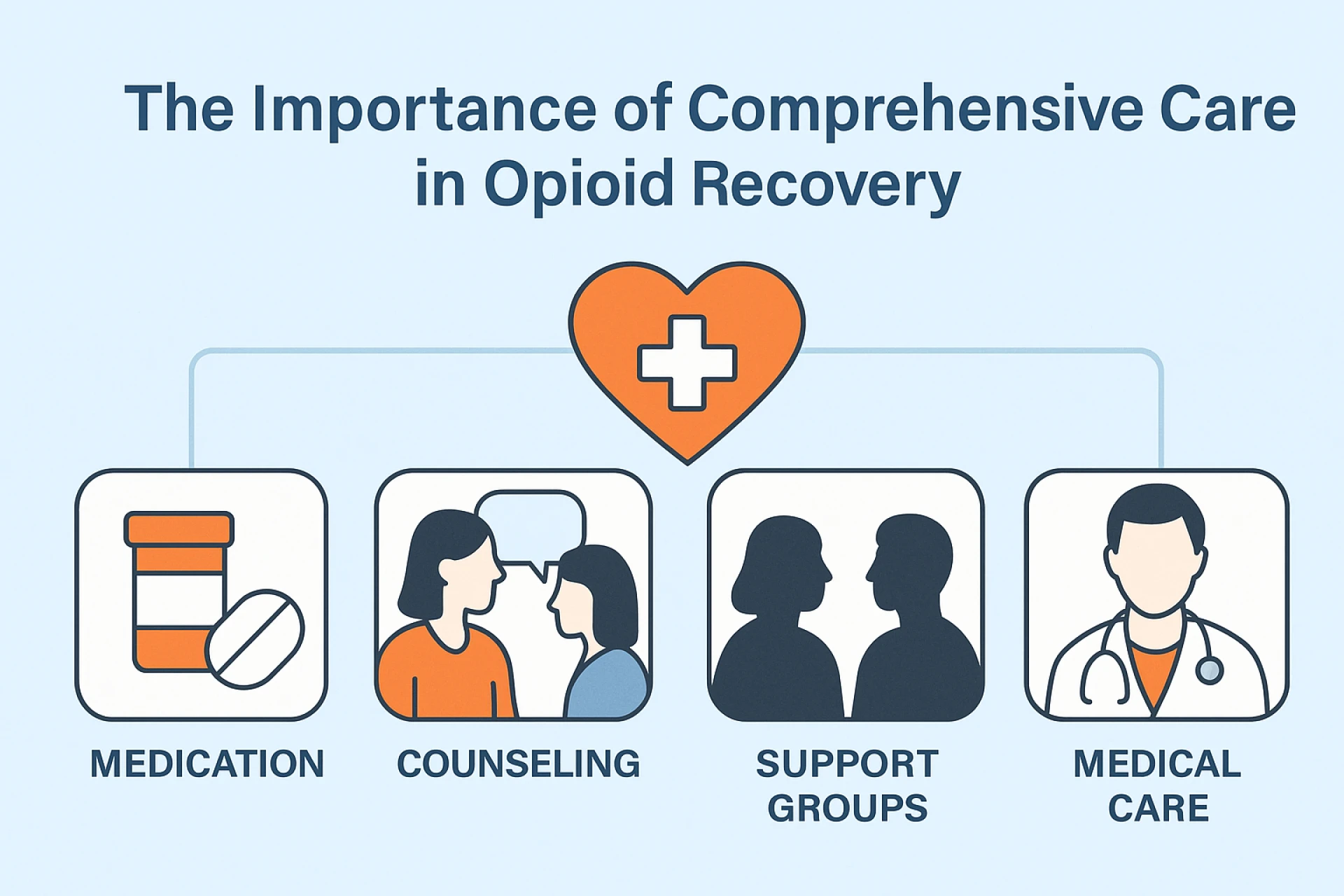
One of the biggest takeaways I’ve had in navigating ADHD is that medication alone rarely does the job. A comprehensive treatment plan often includes
- Behavioral therapy: To build coping strategies and manage emotional regulation
- Coaching or counseling: To develop organizational and planning skills
- Mindfulness or stress-reduction techniques: To reduce overwhelm
- Diet, exercise, and sleep: Because your brain runs better when your body is supported
Strattera often works best when paired with these tools. For instance, its calming and steadying effect can make it easier to stick to routines, follow through on goals, and benefit more deeply from therapy or coaching.
A Note on Side Effects and Monitoring
Like all medications, Strattera isn’t without potential side effects. Some people report fatigue, dry mouth, or nausea, especially during the first few weeks. That’s why it’s important to work closely with your healthcare provider to monitor how you’re responding and adjust dosage as needed.
According to the National Institute of Mental Health, non-stimulant medications like Strattera are a safe and effective part of ADHD treatment, especially when stimulants aren’t a good fit.
Finding the Right Balance
Ultimately, ADHD treatment should support your overall well-being, not just manage symptoms. For many, Strattera provides a gentler, more stable option, especially when integrated into a plan that considers the whole person, not just the diagnosis.



















Sign in to leave a comment.